Understanding Virtual Currency Futures Platforms

Understanding Virtual Currency Futures Platforms
The rise of cryptocurrency has transformed the financial world, leading to the emergence of various trading mechanisms, including Virtual Currency Futures Platforms. Did you know that in 2023, the trading volume of cryptocurrency futures reached $1 trillion, illustrating the increasing interest and investor participation in this sector? In this article, we will explore what Virtual Currency Futures Platforms are, how they operate, and their significance in the cryptocurrency market.
What are Virtual Currency Futures Platforms?
Virtual Currency Futures Platforms allow traders to buy and sell futures contracts linked to the price of cryptocurrencies. Futures are legally binding agreements to buy or sell an asset at a predetermined price on a specified future date. For instance, if a trader believes that Bitcoin will increase in price over the next month, they can purchase a Bitcoin futures contract today. Here’s the catch: if their prediction is correct, they can sell the contract at a profit. If they’re wrong, they may incur losses.
Key Features of Virtual Currency Futures Platforms
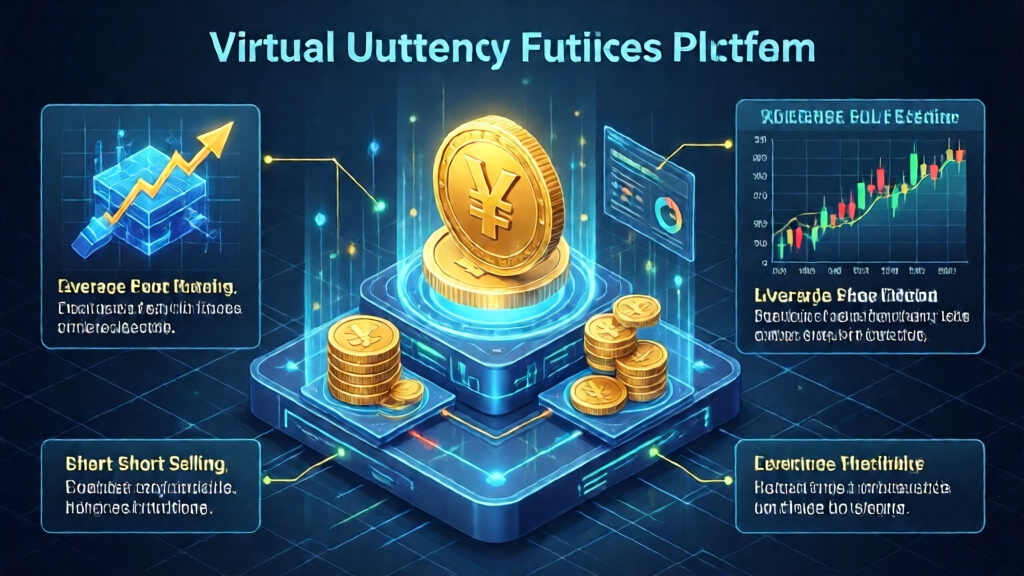
- Leverage: Many platforms allow traders to use leverage, amplifying their purchasing power. For example, a trader using 10x leverage can control $10,000 worth of assets with only $1,000.
- Short Selling: Traders can bet against the market by short selling, anticipating a decrease in cryptocurrency prices.
- Diverse Offerings: Most platforms offer a range of cryptocurrencies for futures trading, including Bitcoin, Ethereum, and Litecoin.
- Market Data: Comprehensive analytics and market data are provided, assisting traders in making informed decisions.
The Mechanics Behind Virtual Currency Futures Trading
Understanding how Virtual Currency Futures Platforms operate is essential for traders. When a futures contract is created, it specifies the price and date for delivering the underlying asset. This means that the contract does not involve immediate delivery of the cryptocurrency but rather a commitment to trade based on future price movements.
Real-world Application of Futures Contracts
Consider the example of Mark, who trades on a Virtual Currency Futures Platform. Mark predicts that the price of Bitcoin will rise in the upcoming months, priced currently at $30,000 per Bitcoin. He buys a futures contract at this price, with a contract expiration date set for three months later. If by that time, Bitcoin’s price rises to $35,000, Mark can sell his contract at a profit of $5,000. However, if the price drops to $25,000, he risks losing money. This scenario highlights the potential for both profit and loss in futures trading.
Advantages of Trading on Virtual Currency Futures Platforms
- Risk Management: Futures contracts can act as a hedge against volatility in the cryptocurrency market, allowing traders to manage their risks effectively.
- Increased Liquidity: These platforms contribute to higher liquidity in the cryptocurrency markets, enabling more efficient price discovery.
- Speculative Opportunities: Traders can exploit price discrepancies in the cryptocurrency market, enhancing their trading strategies.
Challenges and Considerations for Traders
While there are numerous benefits to trading on Virtual Currency Futures Platforms, there are also challenges that traders must face. Let’s break it down.
Market Volatility
The cryptocurrency market is notoriously volatile, which can lead to significant price swings and potential losses for traders. According to CoinMarketCap statistics, Bitcoin’s price fluctuated between $20,000 and $40,000 within a matter of weeks during 2023. This unpredictability is a crucial factor traders must consider.
Regulatory Challenges
As cryptocurrencies gain popularity, regulations are evolving. Futures trading is subject to regulations that vary by jurisdiction, impacting how platforms operate. Traders must stay informed about compliance requirements to avoid legal issues.
Market Data: A Core Component of Futures Trading
Using accurate market data is imperative for successful trading on Virtual Currency Futures Platforms. Traders should utilize tools that provide real-time data, technical analysis, and historical trends.
Example of Market Data Usage
A reputable source for market data is CoinMarketCap. Traders can analyze price histories, volume specifications, and market capitalization of various cryptocurrencies. For instance, in January 2023:
| Cryptocurrency | Price (USD) | Market Cap (USD) |
|---|---|---|
| Bitcoin (BTC) | 35,000 | 650 Billion |
| Ethereum (ETH) | 2,500 | 300 Billion |
| Litecoin (LTC) | 150 | 10 Billion |
Using this data, traders can make educated decisions based on market trends and price predictions.
Getting Started with Virtual Currency Futures Platforms
Here’s how to get started on a Virtual Currency Futures Platform:
- Choose a Reliable Platform: Research various platforms based on their features, especially security measures and user reviews.
- Set Up an Account: Registration usually requires an email address and verification processes.
- Fund Your Account: Deposit cryptocurrencies or fiat currency to start trading.
- Develop a Trading Strategy: Start with a clear strategy. Remember, wise management of risk is key.
Tools such as Ledger Nano X can significantly reduce hacking risks by keeping your crypto secure offline, potentially by 70%. In the volatile world of cryptocurrencies, having secure storage solutions enhances your trading experience.
The Future of Virtual Currency Futures Platforms
The future looks promising for Virtual Currency Futures Platforms. As regulation becomes clearer and innovative financial instruments are developed, we can expect an influx of institutional investment, enhancing credibility and stability in the market. With the growing adoption of cryptocurrencies, these platforms will likely evolve and improve their offerings and technologies.
Predicting Future Trends
Several trends can be anticipated in the coming years, including:
- Increased Regulation: As nations develop guidelines for cryptocurrency usage, expectations for transparent and secure trading environments will grow.
- Advancements in Technology: Expect developments in artificial intelligence and blockchain technology to enhance trading strategies and risk management.
- Wider Adoption: As more investors become acquainted with futures trading, participation levels are expected to rise significantly.
In conclusion, Virtual Currency Futures Platforms represent a dynamic segment of the cryptocurrency market, offering traders opportunities to engage and profit. By understanding the mechanics, benefits, and challenges, traders can navigate this exciting landscape better. Stay informed, leverage available tools, and always remember to manage your risks effectively. For further insights, visit techcryptodigest.
Author: John Smith, a financial analyst with over 20 research papers published on cryptocurrency trading strategies, and a lead auditor for several well-known crypto projects.