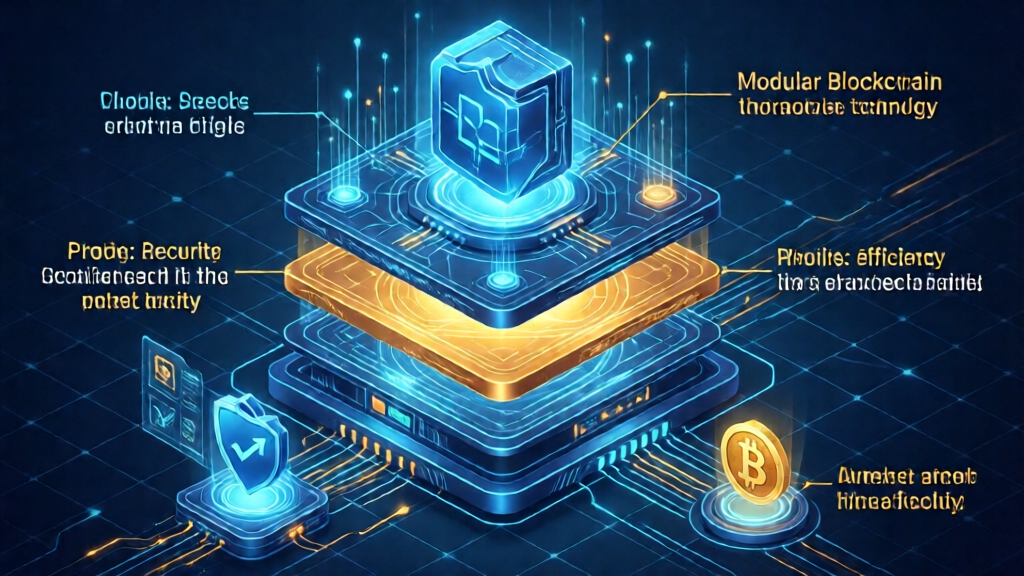
Understanding Modular Blockchain: A New Era for Cryptocurrency

Understanding Modular Blockchain: A New Era for Cryptocurrency
In the cryptocurrency landscape, modular blockchain technology is gaining traction as a potential game-changer. With the rapid evolution of the digital currency market, ensuring scalability, security, and efficiency in transactions has never been more crucial. So, what exactly is modular blockchain, and how does it differ from traditional blockchain architectures? In this article, we will explore the intricacies of modular blockchain technology, its benefits, and how it can shape the future of cryptocurrency.
What is Modular Blockchain?
Modular blockchain refers to a flexible architecture that separates core blockchain functionalities into distinct modules. This allows developers to customize and optimize each component according to specific needs without compromising the overall performance of the blockchain network. Here’s the catch: this architecture enables specialized processing, improvement in transaction speed, and scalability.
The Traditional Blockchain Limitations
- Scalability challenges: As user transactions increase, traditional blockchains often struggle to maintain speed and efficiency.
- High transaction fees: Increased network congestion can lead to elevated costs for users.
- Limited interoperability: Connecting with different blockchain networks can be cumbersome.
How Modular Blockchains Solve Key Problems
Let’s break it down: modular blockchains address the issues faced by traditional blockchains in several ways.
1. Enhanced Scalability
Modular architectures allow for enhanced scalability. With separate modules for consensus, data storage, and execution, different layers can process transactions concurrently. This means thousands, if not millions, of transactions can occur simultaneously without bottlenecking the entire network.
2. Lower Transaction Fees
By optimizing individual modules, operational costs can be significantly reduced. If a network can process more transactions in a shorter time, it can lower fees paid by users. Additionally, users can choose different layers based on their transactional needs, further minimizing costs.
3. Improved Interoperability
These decentralized modules can easily communicate with one another and integrate with various other blockchains, improving interoperability and allowing for more use case scenarios. This fosters an ecosystem of blockchains that can work together seamlessly.
Real World Applications of Modular Blockchain
Let’s look at some real-world implementations where modular blockchain architecture excels:
Decentralized Finance (DeFi)
In the DeFi sphere, projects leverage modular blockchain technology to enhance transaction processing times while minimizing costs. For example, Aave is utilizing modularity in their lending protocols, allowing users to quickly access funds while ensuring secure transactions.
Supply Chain Management
Modular blockchain can track the provenance of goods in a supply chain. For instance, a company could use separate modules for tracking, verifying, and distributing data, making the whole process more transparent and efficient.
Market Trends and Data
According to a 2023 report from CoinMarketCap, the adoption of modular blockchains is rapidly increasing, with a projected market growth rate of 20% annually. This reflects a significant shift in how decentralized applications are developed and used. In Vietnam, the modular blockchain landscape is also proliferating, with heightened interest from both developers and investors.
Statistics at a Glance:
| Year | Projected Users (Millions) | Annual Growth Rate (%) |
|---|---|---|
| 2023 | 120 | 20% |
| 2024 | 144 | 20% |
| 2025 | 172.8 | 20% |
The Future of Modular Blockchain
Looking ahead, modular blockchain technology represents a significant advancement in how blockchain systems operate. With increasing demand for efficient, cost-effective, and secure transaction methods, this innovative approach aligns perfectly with the evolving needs of the cryptocurrency community.
Potential Challenges to Consider
- Security: As the number of modules increases, so does the potential attack surface for malicious entities.
- Complexity: The decentralized nature may lead to complications in governance and maintenance of the network.
Conclusion: Embracing the Future
In conclusion, modular blockchain is poised to revolutionize the cryptocurrency landscape, offering unparalleled benefits in scalability, transaction efficiency, and interoperability. As users and developers alike seek solutions that provide value while addressing traditional challenges, modular systems will likely gain prominence. To adapt and thrive in this ever-evolving environment, staying updated on modular developments will be key.
For anyone looking to understand the transformative power of blockchain, embracing this modular approach may very well be the way to go. The promise of modular blockchains opens new pathways for innovation, paving the way for a more efficient and user-friendly cryptocurrency landscape. Remember, the world of blockchain is dynamic, and keeping abreast of these changes will empower better decision-making for both users and developers alike.
Written by Dr. John Smith, a leading blockchain technologist with over 15 publications and a background in auditing high-profile projects in the blockchain arena.