Exploring DeFi Infrastructure: Revolutionizing Financial Systems

Introduction
The rise of decentralized finance (DeFi) has been a game-changer in the cryptocurrency space. With over $80 billion locked in DeFi protocols as of 2023, the demand for robust and scalable DeFi infrastructure is at an all-time high. But what exactly is DeFi infrastructure, and how does it function to support applications that redefine financial systems?
This article thoroughly explores DeFi infrastructure, aiming to answer these questions while highlighting its significance and potential impact. By the end of this read, you’ll understand the components of DeFi infrastructure and their role in the evolution of finance.
What is DeFi Infrastructure?
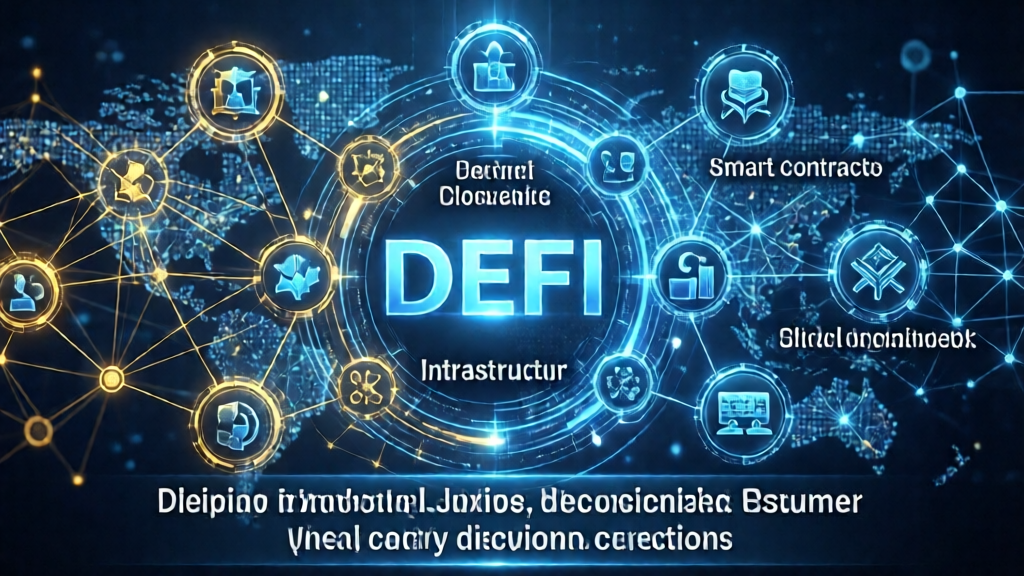
DeFi infrastructure refers to the underlying technology and protocols that facilitate the operation of decentralized financial services. This includes smart contracts, blockchain networks, decentralized exchanges (DEXs), oracles, and layer-2 solutions that enhance scalability.
- Smart Contracts: Self-executing contracts with the terms directly written in code.
- Blockchain Networks: Decentralized ledgers like Ethereum and Binance Smart Chain that host DeFi applications.
- Decentralized Exchanges (DEXs): Platforms allowing users to trade assets without intermediaries.
- Oracles: Services connecting smart contracts with real-world data.
- Layer-2 Solutions: Technologies that improve scalability and reduce transaction costs.
The Components of DeFi Infrastructure
To better understand DeFi infrastructure, let’s break down its essential components:
1. Smart Contracts
Smart contracts are the backbone of DeFi services. They automate transactions and enforce the terms of agreements, minimizing the need for intermediary parties. For example, when a user wants to borrow funds, a smart contract handles the loan disbursement and repayment schedules.
2. Blockchain Networks
The infrastructure relies heavily on blockchain technology, which provides the foundation for transparency and security. Ethereum remains the most popular choice for DeFi projects due to its established ecosystem and developer community. Other emerging networks, like Solana and Avalanche, offer alternative platforms with unique advantages.
3. Decentralized Exchanges (DEXs)
New trading models are made possible by DEXs, enabling peer-to-peer transactions without centralized control. By eliminating intermediaries, users gain greater control over their assets while also reducing fees.
4. Oracles
Oracles play a critical role in providing smart contracts access to external data. They bridge the gap between on-chain and off-chain data, allowing applications like decentralized lending platforms to make informed decisions based on real market values.
5. Layer-2 Solutions
To tackle the scalability issues faced by many blockchains, layer-2 solutions like Polygon and Optimism have emerged. These solutions process transactions off the main chain, ensuring faster and cheaper transactions while maintaining security.
How DeFi Infrastructure is Transforming Finance
The impact of DeFi infrastructure extends beyond mere transactions. It reshapes various financial services, including lending, trading, and asset management.
1. Lending and Borrowing Protocols
Decentralized lending platforms like Aave and Compound allow individuals to lend their assets while earning interest or borrow against their holdings without a credit score. Such systems democratize access to financial resources.
2. Trading Platforms
With DEXs like Uniswap gaining popularity, trading digital assets has become more accessible and user-friendly. The absence of central control boosts liquidity while empowering users to swap assets seamlessly.
3. Automated Asset Management
Protocols such as Yearn.finance use algorithms and yield strategies to automate investment for users, stripping away complexities while providing optimal returns. This service exemplifies the ease DeFi infrastructure offers in asset management.
Real-World Applications and Case Studies
Several projects are pioneering the use of DeFi infrastructure:
- MakerDAO: A decentralized lending platform that issues stablecoins based on collateral.
- Curve Finance: A DEX specialized in stablecoin trading, prioritizing low slippage.
- Aave: A leading DeFi lending protocol allowing users to both lend and borrow assets.
Challenges Facing DeFi Infrastructure
Despite its potential, DeFi infrastructure isn’t without challenges:
1. Security Risks
The rapid growth of DeFi has seen a rise in hacking incidents. Protocols like Poly Network have lost millions due to vulnerabilities. Implementing rigorous security practices is crucial for protecting user assets.
2. Regulatory Concerns
Governments worldwide are grappling with how to regulate DeFi. The lack of a central authority complicates compliance, and any regulations that emerge will likely impact the growth of DeFi projects.
3. Usability Issues
The user experience of interacting with DeFi applications can be daunting for newcomers. Simplifying processes will be key to attracting mainstream adoption.
The Future of DeFi Infrastructure
As we look ahead, the prospects for DeFi infrastructure appear promising. With an estimated market growth rate of 42% over the next five years, significant innovations are likely to define the sector.
1. Interoperability
Future DeFi applications will focus on interoperability, enabling seamless communication between different blockchains and protocols. This will foster a more integrated financial ecosystem.
2. Enhanced Regulation
As the regulatory landscape evolves, finding a balance between innovation and compliance will be critical. Projects that embrace transparency and regulatory compliance will likely thrive.
3. Sustainability
With increasing concerns about energy consumption in blockchain, eco-friendly solutions will emerge, paving the way for sustainable DeFi applications. Using proof-of-stake mechanisms, for instance, could resolve many energy issues.
Conclusion
The foundation of decentralized finance rests on its infrastructure, which is revolutionizing traditional financial systems. From lending to trading, the innovations within DeFi infrastructure provide unparalleled opportunities for anyone willing to engage. As this space continues to evolve, embracing the potential for growth and addressing the challenges can help unlock the full power of decentralized finance.
In summary, the DeFi infrastructure stands as a testament to the shift towards a more democratic and equitable financial future. Stay informed and take part in this transformative journey!