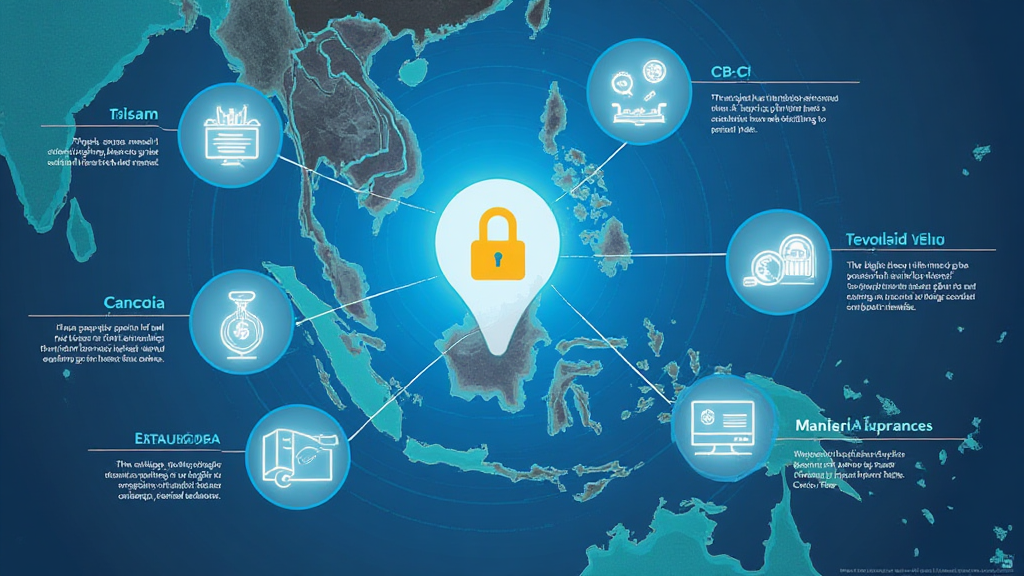
CBDC Southeast Asia Updates: Navigating the Future of Digital Currency

CBDC Southeast Asia Updates: Navigating the Future of Digital Currency
As Southeast Asia embraces transformative digital finance solutions, central bank digital currencies (CBDCs) are gaining significant traction. According to recent reports, over 80% of central banks are exploring the implementation of digital currencies, a shift that is poised to redefine the region’s financial landscape. With an expected GDP growth in the blockchain sector of up to 15% annually by 2025, the question arises: how will CBDCs influence this burgeoning market?
In this article, we will delve into the latest updates on CBDCs in Southeast Asia, covering national initiatives, potential economic impacts, and what users and investors should watch for in the coming years.
Understanding CBDCs in the Southeast Asian Context
CBDCs represent a digital form of a nation’s fiat currency, issued and regulated by the central bank. In Southeast Asia, nations like Singapore, Thailand, and the Philippines are actively exploring CBDCs to enhance payment systems, improve financial inclusion, and drive economic efficiency.
- Singapore: The Monetary Authority of Singapore (MAS) is collaborating on Project UBIN, focusing on the development of a tokenized version of the Singapore dollar.
- Thailand: The Bank of Thailand is in the pilot phase of its retail CBDC initiative, seeking to enhance the existing payment ecosystem.
- Philippines: The Bangko Sentral ng Pilipinas is researching CBDCs’ potential to boost digital payments and financial inclusivity.
The Need for CBDCs: Enhancing Financial Systems
With a substantial portion of the Southeast Asian population still unbanked, CBDCs can play a crucial role in enhancing financial inclusion. For example, Vietnam has seen its digital user base grow by approximately 25% year-on-year, indicating a robust demand for innovative financial solutions.
CBDCs could facilitate this transition by providing easier access to digital currency for consumers and businesses alike. In this context, terms like tiêu chuẩn an ninh blockchain (blockchain security standards) become pertinent as the necessity to ensure secure transactions rises.
Economic Impacts of CBDC Adoption
CBDC deployment can substantially affect economic structures within Southeast Asian countries. Unlike traditional forms, CBDCs typically come with benefits such as:
- Reduced Transaction Costs: Digital currencies cut down the costs associated with cash handling and traditional banking services.
- Enhanced Cross-Border Transactions: CBDCs facilitate smoother and faster transfers between countries, which is essential for trade in the region.
- Monetary Policy Efficiency: Central banks can implement policies with greater precision, controlling inflation and managing economic shocks more effectively.
Challenges in Implementing CBDCs
Despite the promise of CBDCs, there are challenges they face, including:
- Regulatory Hurdles: Ensuring compliance with global financial standards and local regulations can complicate the implementation process.
- Technological Infrastructure: Countries must invest in infrastructure to support digital currency operations effectively.
- User Adoption: Convincing the population to transition from cash-based systems to digital currencies requires significant educational efforts.
Like a vault that secures physical assets, successful CBDC initiatives must ensure that user data and financial information are rigorously protected from cyber threats.
The Future of CBDCs in Southeast Asia
According to Chainalysis, the anticipated adoption rate of CBDCs in Southeast Asia could reach 10% by 2025, indicating strong public and governmental support for this innovative technology. Projects initiated by various central banks are already demonstrating the viability and advantages of digital currencies.
In addition, factors influencing consumer acceptance such as ease of access, security, and integration with existing financial systems will play a pivotal role in shaping the future of CBDC adoption. With the rise of fintech in the region, collaboration between governments and private sectors will aid in developing a robust ecosystem.
Conclusion: A Horizon of Possibilities
The potential for CBDCs to revolutionize the financial landscape in Southeast Asia is immense. As countries like Vietnam augment their blockchain security standards and innovate their financial systems, users and investors alike are encouraged to remain informed. The intersection of technology and finance offers unprecedented opportunities for growth and improvement in accessibility.
As we navigate this exciting journey, staying abreast of the latest updates on CBDC Southeast Asia updates will not only inform personal investment strategies but also contribute to advocating for a more inclusive financial future.