Understanding NFT Token Standards: Navigate the Future of Digital Assets

Understanding NFT Token Standards: Navigate the Future of Digital Assets
As we venture deeper into the world of blockchain technology and digital assets, the need for clear and consistent NFT token standards has never been more critical. With the NFT market surging, evidenced by the $41 billion in sales reported in 2021, the demand for security and interoperability within these digital ecosystems is paramount. Are we ready for a future shaped by non-fungible tokens?
What Are NFT Token Standards?
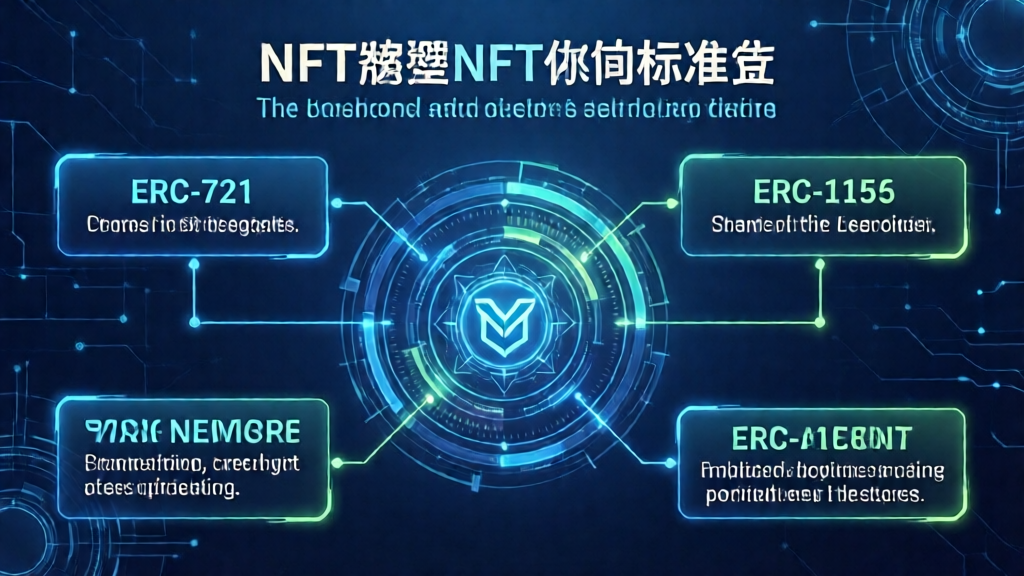
NFT token standards are essentially frameworks established for creating non-fungible tokens (NFTs) on blockchain networks. These standards govern how NFTs are minted, transferred, owned, and utilized within various applications. The most prevalent NFT standards currently in use are the ERC-721 and ERC-1155 standards on the Ethereum blockchain, which serve as foundational blueprints for developers.
The Rise of NFT Standards
With over 392 million active Ethereum addresses, the ecosystem continues to expand rapidly. The question remains: Why do we need NFT token standards? Standards facilitate the development of more robust protocols, leading to improved security and interoperability across platforms.
- ERC-721: The original standard for NFTs, ensures each token is unique.
- ERC-1155: A multi-token standard that allows for more efficient transactions.
- Others: Lesser-known standards such as ERC-998, which allows for composable NFTs.
The Importance of Security in NFTs
With estimations suggesting that $8.6 billion in cryptocurrency was lost to hacks in 2024, security in the NFT domain cannot be understated. Token standards help mitigate risk by ensuring that NFTs follow certain security protocols.
Consider it like this: just as banks require specific security measures for safety deposit boxes, NFT standards offer guidelines to protect digital assets.
Key Vulnerabilities and Protecting Investments
Let’s break it down further:
- Smart Contract Flaws: Any bugs or vulnerabilities within the smart contracts underpinning NFTs can lead to exploits.
- Phishing Attack Risks: Users may fall victim to deceptive communications that mimic legitimate NFT platforms.
- Transfer Issues: Without standardization, transferring NFTs between platforms can become problematic.
To safeguard against these vulnerabilities, utilizing tools like Ledger Nano X can reduce hacks significantly, as it stores digital assets offline, out of reach of potential hackers.
The Future Landscape: 2025 and Beyond
Looking into the future, by 2025, it is expected that at least 40% of all digital assets will exist as NFTs. Moreover, regulatory frameworks will continue to evolve, creating a landscape where adherence to established token standards becomes not just advantageous, but necessary.
Emerging Trends and Innovations
Several key trends are on the horizon:
- Cross-Chain NFTs: As different blockchain ecosystems become more interconnected, the demand for cross-chain NFT standards will grow.
- Environmental Considerations: With ongoing discussions around the carbon footprint of NFTs, eco-friendly standards are likely to emerge.
- Utility-Driven NFTs: NFTs that hold real-world functions, such as verifiable credentials, will gain traction.
Auditing NFT Compliance: Why It Matters
In light of increasing fraud and security issues, auditing smart contracts related to NFTs has become imperative. To ensure compliance with top standards, developers are encouraged to conduct regular audits. Proper audits can validate that NFTs adhere to their respective standards, safeguarding both creators and users.
How to Audit Smart Contracts
So, how do you navigate the audit process?
- Engage with reputable auditing firms experienced in NFT protocols.
- Utilize automated tools that can scan for vulnerabilities.
- Ensure transparent code practices to allow for community scrutiny.
Conclusion
The future of NFTs is bright, driven by innovation supported by well-defined token standards. As we edge closer to 2025 and beyond, prioritizing security and compliance will be paramount for anyone involved in digital assets. Understanding and adopting NFT token standards will not only safeguard investments but will also ensure operational efficiency across platforms.
Embrace the potential of NFTs while remaining vigilant. Secure your digital assets through informed practices and utilizing the right tools.
For more on blockchain security and navigating the digital asset landscape, explore resources at techcryptodigest.
Author: Dr. Alex Prieto, a leading blockchain researcher with over 50 published papers in the field of digital technologies and the principal auditor for renowned crypto security projects.