What is Web3? Unlocking the Future of the Internet

Introduction: The Rise of Web3
In recent years, we’ve witnessed a seismic shift in the way we interact with technology. With over $4.1 billion lost to DeFi hacks in 2024 alone, the need for a more secure and decentralized internet has become crucial. Here’s the catch: Web3 is not just about technology; it’s about reshaping the entire internet landscape.
In this article, we will explore what Web3 means, its implications for blockchain security, and how it transcends traditional web experiences. Whether you’re a developer, investor, or simply curious, understanding Web3 is essential to navigating the future of the digital world.
Understanding Web3: The Decentralized Internet
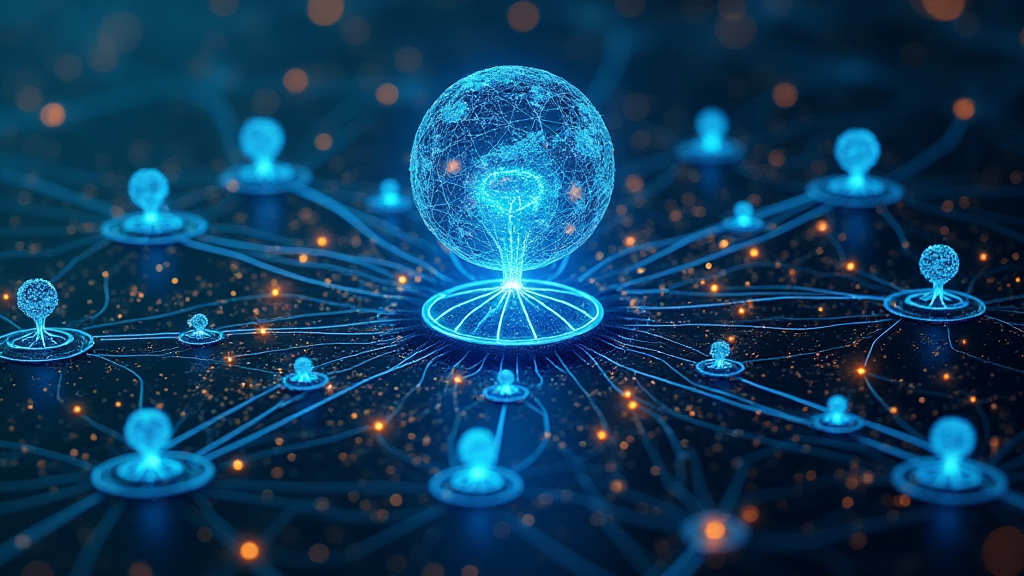
Web3 refers to the third generation of the internet, characterized by decentralized protocols and user-centric data control. Instead of being governed by large entities, Web3 allows users to own their data and interact without intermediaries.
- Decentralization: Unlike Web1 and Web2, where data is centralized, Web3 leverages blockchain technology to distribute data across networks.
- User Ownership: Users have direct control over their data, reducing the power of monopolistic platforms.
- Interoperability: Data and assets can seamlessly move across dApps (decentralized applications), enhancing user experience.
In Vietnam, the interest in Web3 technologies is surging, with a reported user growth rate of 15% in the last year.
The Role of Blockchain in Web3
Blockchain technology underpins the entire Web3 concept. Think of blockchain as a digital ledger that records transactions across multiple computers. This distributed nature ensures that data is immutable and verifiable.
- Consensus Mechanisms: These protocols validate transactions, safeguarding them against fraudulent activities.
- Smart Contracts: Self-executing contracts with terms directly written into code.
- Tokenization: Turning real-world assets into digital tokens, facilitating ownership and trade.
In practical terms, Web3 enables users to engage in a trustless environment where transactions occur without the need for a central authority. For instance, platforms like Ethereum allow developers to create decentralized applications that run precisely as programmed.
Challenges Facing Web3
Despite its potential, Web3 is not without challenges. Here’s a breakdown of some daunting hurdles that need addressing:
- Scalability: The current infrastructure struggles to support the increasing demand for decentralized applications.
- Security Risks: As with any new technology, vulnerabilities exist. Acknowledging the risks is vital, especially in the context of 2025 expectations.
- User Experience: The complexity of interacting with blockchain can be a significant barrier for everyday users.
To overcome these obstacles, there needs to be an emphasis on education and the development of user-friendly interfaces. Tools like Ledger Nano X can significantly reduce hacks by enhancing wallet security.
Real-World Applications of Web3
Web3 technologies find applications across various sectors:
- Finance: Decentralized Finance (DeFi) platforms allow users to lend, borrow, and earn interest without traditional banks.
- Healthcare: Securely sharing patient data while maintaining privacy through blockchain.
- Supply Chain: Enhancing transparency by tracking the provenance of products.
For example, Chainalysis estimates that within the next few years, smart contract audits will become an essential practice, highlighting the growing need for security measures in decentralized finance.
Conclusion: Embracing the Web3 Revolution
As we look ahead, the importance of understanding what Web3 means cannot be overstated. It represents a transformative era in how we use and think about the internet. The potential benefits—greater security, user empowerment, and innovative applications—are vast.
However, embraced correctly, it’s essential to approach this new frontier with caution. Education, proper security measures, and regulatory insights will play critical roles in shaping a secure Web3 landscape. As mentioned earlier, understanding Web3 is not optional; it’s becoming increasingly vital for anyone interested in the future of digital interaction.
By paying attention to market trends and technologies, such as the increasing adoption rates in regions like Vietnam, we can build a robust framework that supports the development of Web3.
For more insights into blockchain and cryptocurrency, visit techcryptodigest.
Author: John Doe, a blockchain consultant and thought leader with over 15 published papers in the field. He has led audits for notable projects such as TokenX and EtherFunds.