Web3 Reputation Systems: Building Trust in Decentralized Networks

Understanding Web3 Reputation Systems
As the digital landscape evolves, the importance of trust and reputation in online transactions becomes increasingly critical. Web3 reputation systems emerge as a vital solution, especially in the context of decentralized finance (DeFi) and blockchain interactions. In 2024, the DeFi sector faced losses exceeding $4.1 billion due to hacks and frauds, highlighting the pressing need for reliable identity verification and reputation metrics.
In essence, Web3 reputation systems allow users to maintain reputational data that can be verified across various applications without the need for a central authority. This decentralized approach ensures that user identities are secure, promoting a safer digital environment. But how exactly do these systems function?
Why are Reputation Systems Important in Web3?
Reputation systems serve multiple purposes in the Web3 ecosystem, including:
- Trust Establishment: Decentralized applications (dApps) often operate without established reputations, making it difficult for users to assess counterparty risks.
- Fraud Prevention: By utilizing transparent and immutable records on the blockchain, reputation systems can help mitigate fraudulent activities.
- User Empowerment: Users retain control over their reputations, choosing what to share and how they are perceived in different networks.
Components of a Web3 Reputation System
A robust Web3 reputation system generally encompasses several components:
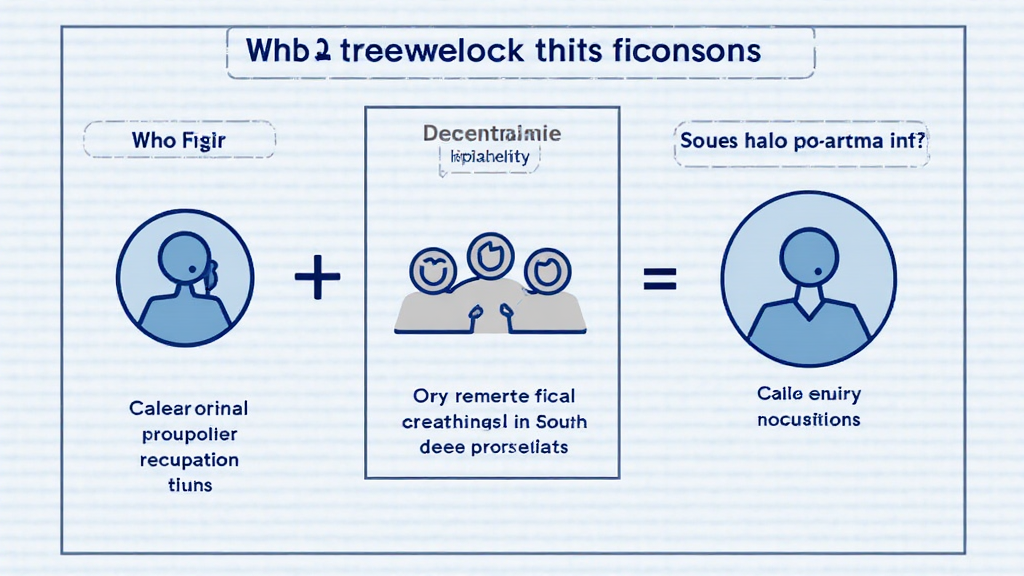
- Decentralized Identity: Utilizing decentralized identifiers (DIDs) that allow users to create and manage their digital personas securely.
- Reputation Score Calculation: This involves algorithms that analyze user behavior, feedback, and transactions to generate a trust score that reflects their reliability.
- Peer Review Mechanisms: Incorporating community feedback where other users can rate and review interactions provides real-time information on user reliability.
Challenges in Implementing Web3 Reputation Systems
Despite their advantages, implementing effective reputation systems within the Web3 framework poses several challenges:
- Data Privacy Concerns: Striking a balance between transparency and privacy can be tricky, as users may be hesitant to expose their transaction histories.
- Standardization Issues: Different platforms may utilize various criteria for reputation evaluation, leading to inconsistencies across applications.
- Scalability: As the user base grows, the system must adapt to manage an expanded network of interactions without compromising performance.
Real-World Applications of Web3 Reputation Systems
Several projects illustrate the practical application of Web3 reputation systems:
- DeFi Protocols: Protocols like Aave and Compound use community feedback loops where users can vote on proposals, enhancing engagement and accountability.
- NFT Marketplaces: Platforms such as OpenSea utilize reputation systems to bolster trust among buyers and sellers, reducing fraudulent listings.
- Freelancing Platforms: Services like Braintrust allow users to showcase their ratings and feedback, ensuring a trustworthy environment for hiring freelancers.
The Growth of Cryptocurrency in Vietnam
The Vietnamese cryptocurrency market has experienced significant growth in recent years. Reports indicate that Vietnam’s blockchain user growth rate is projected to reach 35% annually, with expectations of robust user adoption across various sectors. As decentralization takes hold, the use of reputation systems will likely become imperative for ensuring trust and security in digital transactions.
For local projects, focusing on decentralized identity solutions and transparent reputation mechanisms will be key to sustaining user trust.
Future of Reputation Systems in Web3
The future of Web3 reputation systems is promising, driven by technological advancements and increasing user awareness of security practices. By integrating artificial intelligence and machine learning, these systems may evolve to provide more accurate predictive analytics and fraud detection. Moreover, with the rise of regulations globally, a compliant approach to reputation management will enhance credibility further.
In the evolving landscape of cryptocurrency, maintaining reputation will become as essential as securing digital assets. Users must adapt to a paradigm where their actions are tokenized and result in reputation points, laying the groundwork for a more trusted Web3 environment.
Best Practices to Enhance Web3 Reputation Systems
To ensure the effectiveness of Web3 reputation systems, consider these best practices:
- Implement Regular Audits: Ensure that the data used in reputation calculations is accurate and tamper-proof.
- Encourage Community Engagement: Foster an active user base that contributes by leaving feedback and engaging in community governance.
- Educate Users: Provide educational resources on how reputation affects their interactions and opportunities within the ecosystem.
Conclusion
In summary, Web3 reputation systems are vital for establishing trust in decentralized networks, predominantly in the context of Vietnam’s burgeoning cryptocurrency market. By enhancing user empowerment, promoting accountability, and mitigating fraud, these systems have the potential to revolutionize how transactions are conducted online. As we move toward a fully decentralized future, recognizing the value of reputation will be fundamental to ensuring security and fostering community engagement.
For more in-depth discussions on blockchain technology and its future, visit techcryptodigest.