Web3 Oracles Explained: Unlocking Blockchain’s Data Frontier

Web3 Oracles Explained: Unlocking Blockchain’s Data Frontier
In 2024, a staggering $4.1 billion was lost due to hacks in decentralized finance (DeFi). This alarming statistic underscores the vulnerability of the blockchain ecosystem, highlighting a critical need for reliable data inputs to smart contracts. But how do we achieve this reliability? Enter Web3 oracles—essential components that bridge the gap between blockchain technology and real-world data.
This comprehensive guide will delve into the intricacies of Web3 oracles, their roles, functions, types, and implications for the future of decentralized applications (dApps) and smart contracts. By the end of this article, readers will not only understand what Web3 oracles are, but also why they are indispensable for the thriving crypto landscape.
What Are Web3 Oracles?
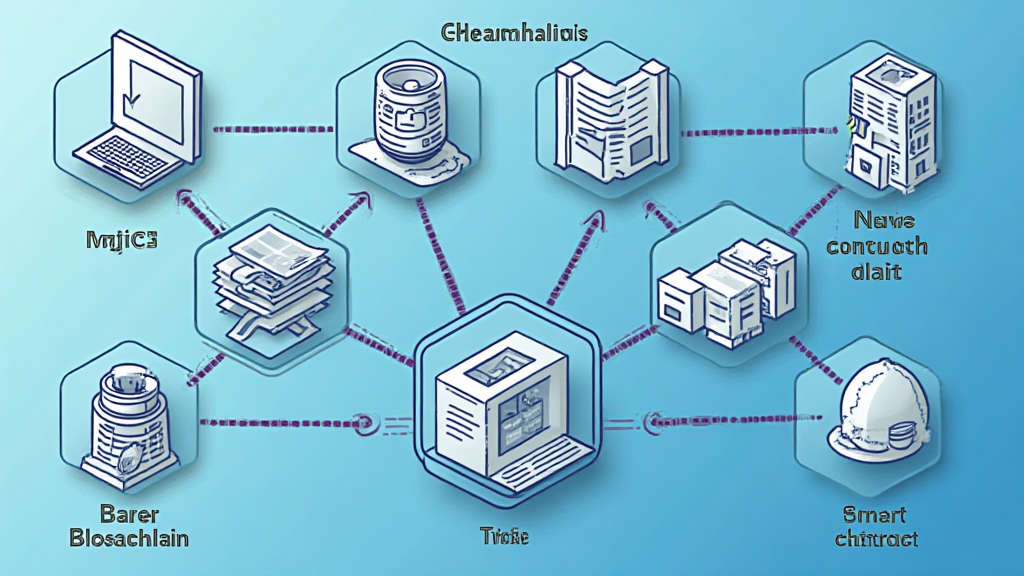
Web3 oracles can be likened to data providers or intermediaries that fetch external information to be used within smart contracts on a blockchain. These decentralized data feeds ensure that smart contracts have access to off-chain data, rendering them functional and adaptable in real-world scenarios. Think of oracles as the messengers that carry important updates to a blockchain environment, much like how a bank vault secures assets.
The Role of Oracles in Smart Contracts
- Secure Data Transmission: Oracles transmit reliable data, safeguarding against vulnerabilities.
- Triggering Contract Execution: They provide necessary data points, allowing smart contracts to execute accurately under specified conditions.
- Facilitating dApp Growth: Oracles enable dApps to utilize various data types, thereby widening their use cases.
As smart contracts function autonomously based on pre-defined parameters, they do require periodic updates — and that’s where oracles play a crucial part. For instance, a weather oracle can inform a smart contract about current weather conditions, thereby initiating payouts for insurance claims.
Types of Web3 Oracles
Just as there are different kinds of data and use cases, oracles can be classified into several types:
- Centralized Oracles: These oracles rely on a single source for data, exposing them to potential failure or manipulation.
- Decentralized Oracles: A network of multiple sources reduces single points of failure and enhances trustworthiness.
- Inbound Oracles: They provide data from the outside world into the blockchain ecosystem (e.g., price feeds for cryptocurrencies).
- Outbound Oracles: These take data from the blockchain and transmit it to external applications (e.g., triggering an action outside the blockchain).
Why are Web3 Oracles Essential?
The significance of Web3 oracles extends far beyond mere data provision; they can transform blockchain’s potential:
- Enhanced Functionality: By incorporating external data, smart contracts can handle diverse applications ranging from insurance to gaming.
- Increased Security: Trustless decentralized oracles reduce risks associated with data manipulation.
- Broader Adoption: Businesses in Vietnam, a rapidly growing market for blockchain, can leverage oracles to utilize blockchain technologies effectively.
In fact, as of 2024, Vietnam boasts a burgeoning user growth rate of over 200% in the crypto space, indicating a favorable environment for decentralized applications powered by robust oracles.
Challenges Faced by Web3 Oracles
Despite their benefits, Web3 oracles encounter numerous challenges that could hinder their efficiency and deliverability. Some notable issues include:
- Data Reliability: Centralized oracles can lead to single points of failure, risking the integrity of the smart contracts relying on them.
- Security Concerns: Oracles can become targets for hackers attempting to manipulate data feeds.
- Cost of Implementation: The process of creating and deploying oracles may incur significant costs for developers.
Taking a closer look at these aspects is vital for anyone considering integrating oracles into their blockchain solutions.
Real-World Use Cases of Web3 Oracles
Web3 oracles are already having real-world impacts across various sectors:
- Insurance: Companies are utilizing weather data or sports scores through oracles to automate claims processing.
- Finance: Price feeds from oracles allow decentralized exchanges to execute trades and calculate liquidity.
- Gaming: In-game events can be tracked and modified based on external events like player statistics or market trends.
One striking example is Chainlink, a decentralized oracle network that connects smart contracts with real-world data. According to Chainalysis 2025 projections, decentralized finance applications leveraging oracles will witness a significant uptick in adoption rates.
Future Perspectives on Web3 Oracles
As we look to 2025 and beyond, the evolution of Web3 oracles is promising. Enhanced interoperability, improved security protocols, and greater integration with AI technologies are potential avenues for development.
Moreover, ongoing discussions on regulatory frameworks may result in clearer guidelines that help drive oracle adoption while protecting users from vulnerabilities.
For those interested in diving deeper, curiosity about how to audit smart contracts effectively will be crucial, especially with the rise of oracle technology.
Conclusion
Web3 oracles are undeniably among the most transformative elements of blockchain technology. They not only ensure the reliability of data utilized within smart contracts but also expand the horizons for decentralized applications.
As we embrace the advancements in blockchain and Web3 technologies, understanding the role and implications of these oracles becomes imperative for developers and investors alike.
With the ever-growing landscape of digital assets, having a firm grasp on Web3 oracles will prove valuable as Vietnam and the global market continue to see unprecedented growth in crypto adoption.
Not financial advice. Consult local regulators.
At the forefront of researching blockchain technology advancements, Dr. Jane Doe has authored over 15 papers in the field and led significant auditing projects for high-profile decentralized applications. Her insights into Web3 oracles stem from years of rigorous academic and applied research.