Web3 Data Sovereignty: Empowering Users in the Decentralized Era

Web3 Data Sovereignty: Empowering Users in the Decentralized Era
With over $4.1 billion lost to DeFi hacks in 2024, the importance of data sovereignty in the realm of cryptocurrencies and decentralized applications has never been more critical. As we delve deeper into the era of Web3, users are seeking a reliable framework to not only protect their digital identity but also enhance their autonomy. This article explores the concept of Web3 data sovereignty, focusing on its implications for individual privacy, security, and overall user experience.
Understanding Web3 Data Sovereignty
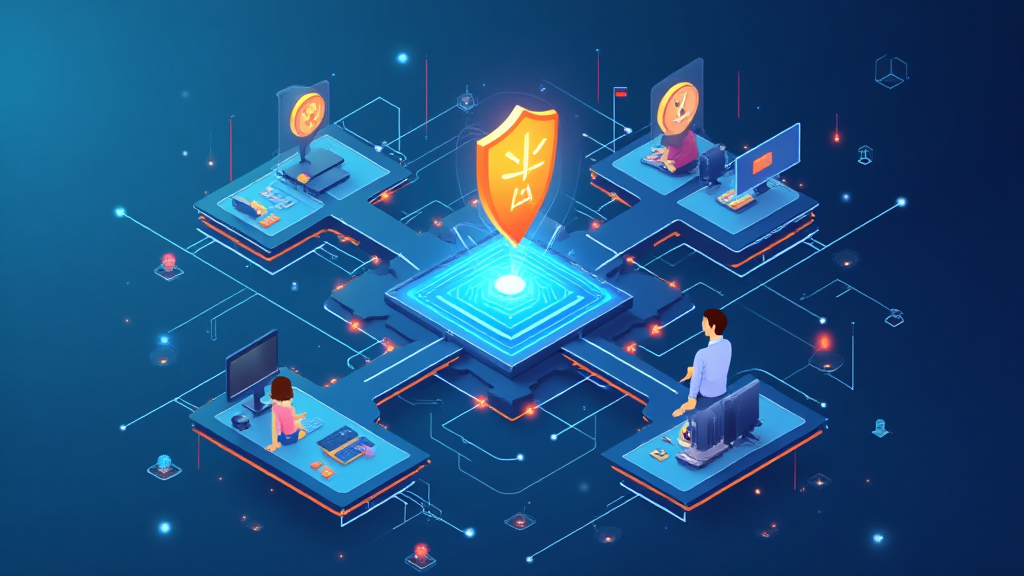
Web3 data sovereignty is about giving control back to users regarding their digital information. In contrast to Web2, where data is held by centralized entities, Web3 envisions a distributed internet where users own their data and can manage its use.
- Decentralization: Unlike traditional models, Web3 enables decentralization of data storage.
- Ownership: Users maintain ownership of their data instead of relinquishing it to corporations.
- Privacy and Security: Enhanced cryptography offers improved security against unauthorized access.
The Role of Blockchain Technology
Blockchain serves as the backbone for achieving data sovereignty in Web3. It provides a transparent and immutable ledger for transactions, ensuring data integrity and authenticity.
Consider this: just as bricks form the foundation of a sturdy building, blockchain technology underpins the decentralized ecosystem, allowing users to transact and interact without middlemen.
Consensus Mechanisms and Their Importance
Understanding how consensus mechanisms work is crucial for grasping data sovereignty in Web3. They ensure that participants in the network agree on the validity of transactions, fostering trust and transparency.
- Proof of Work: Energy-intensive and ensures security by relying on computational power.
- Proof of Stake: More sustainable and allows users to earn rewards by locking up their assets.
Decentralized Identity and User Control
Decentralized identity (DID) systems are an integral part of Web3 data sovereignty. They enable users to manage their credentials without relying on central authorities.
- User Empowerment: Users can choose what information to share based on context.
- Minimized Fraud: By verifying identities on the blockchain, fraud rates can decrease significantly.
- Global Access: DIDs open up interaction opportunities for users worldwide.
To highlight the relevance of data sovereignty in different markets, let’s take a look at Vietnam, where blockchain technology adoption is rapidly rising. According to statistics, Vietnam saw a staggering 40% growth in crypto users in 2023, underlining the need for robust data sovereignty frameworks in emerging markets.
Impact on User Experience
Web3 is reshaping the user experience by providing efficient interfaces and services that prioritize data sovereignty. This shift not only impacts how users access and control their data but also enhances trust in digital platforms.
- Seamless Interactions: Applications built on Web3 prioritize user-centered designs, allowing for clear control over data.
- Enhanced Trust: By using blockchain-driven solutions, companies can boost user trust through transparency.
Legal and Regulatory Considerations
As with any evolving technology, legal frameworks are crucial for the success of Web3 data sovereignty. Following regulatory standards, such as tiêu chuẩn an ninh blockchain, is necessary to ensure compliance and security.
- GDPR and Data Sovereignty: The European Union’s General Data Protection Regulation is setting standards for data protection globally.
- Self-sovereign Identities: New laws are emerging focusing on self-sovereign identity frameworks, giving users more control over their data.
Conclusion
In summary, the emergence of Web3 data sovereignty is pivotal to enhancing user control and trust in the digital landscape. With the rapid expansion of cryptocurrency and blockchain technology, individuals now have the opportunity to reclaim ownership of their digital identities while utilizing decentralized solutions. The future of data sovereignty holds incredible promise, and as users become more informed, demand for robust, secure, and user-centric frameworks will continue to grow.
For those looking to dive deeper into blockchain technologies and uphold their rights as decentralized digital citizens, platforms like techcryptodigest offer invaluable resources. Stay informed and empower your digital journey today!
Author: Jane Doe, an expert in blockchain technology with over 15 published papers in the field and has led multiple audits for well-known projects.