Web3 Composability: Unlocking the Future of Decentralized Finance

Introduction
With $4.1B lost to DeFi hacks in 2024, the urgency for secure and innovative solutions in the blockchain realm is more pronounced than ever. Enter Web3 composability, a transformative paradigm that holds the potential to revolutionize decentralized finance (DeFi) by allowing various protocols and applications to seamlessly interact and work together. Not only does this concept enhance user experience, but it also amplifies the capabilities of existing platforms. In this article, we will delve deep into the essence of composability, its implementation within the Web3 ecosystem, and why it matters to both individual users and developers.
Understanding Web3 Composability
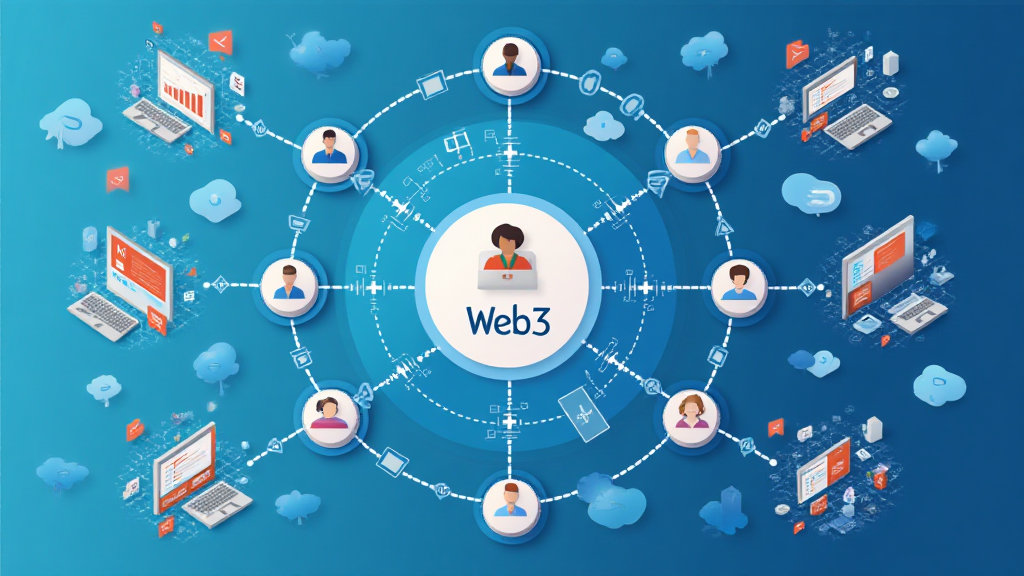
At its core, Web3 composability refers to the inherent ability of different blockchain protocols and applications to interoperate and collaborate. Just like how building blocks can be stacked and arranged in limitless configurations, composability allows developers to create more sophisticated decentralized applications (dApps) by leveraging existing modules, enhancing innovation across the blockchain landscape.
- DeFi Expansion: The DeFi sector relies heavily on composability, allowing protocols to leverage each other’s functionality, like using a lending protocol’s liquidity pool to enhance yield farming.
- User Experience: Composable applications can offer seamless experiences to users by allowing them to interact with multiple services without needing separate accounts or wallets.
- Innovation Catalyst: Composability serves as a springboard for new ideas, enabling developers to experiment without starting from scratch.
Dynamic Interactions in Web3 Ecosystem
Imagine a world where users can effortlessly transfer assets across multiple platforms, engage in stake-outs with minimum friction, or automatically adjust their investment portfolios based on real-time market data. All this is made possible through composability.
For instance, a popular yield-farming protocol can integrate with a decentralized insurance provider, enabling participants to protect their assets while simultaneously generating returns. A thriving example of this integration is the collaboration between Aave and Yearn.finance, where Aave’s liquidity pools are utilized by Yearn to optimize yield strategies.
Key Components of Composability
To truly grasp the power of Web3 composability, let’s break down its essential components:
- Interoperability: Different blockchain networks are able to communicate efficiently, allowing users to perform actions across protocols.
- Modularity: Developers can create separate modules for distinct functionalities, which can be interchanged or updated without disrupting the entire system.
- Shared Protocols: Common standards and protocols, like ERC-20 and ERC-721, make it easier for applications to work seamlessly.
Real-World Applications
As Web3 composability gains traction, various use cases are materializing:
- Liquidity Pools: Many DeFi platforms rely on liquidity pools made available by other platforms, creating a network effect.
- Compound Interest Mechanisms: Linking yield farming strategies to decentralized lending protocols to enhance returns.
- Decentralized Autonomous Organizations (DAOs): Composable governance allows for flexible governance structures that can adapt as needed.
The Future of Web3 Composability
Looking ahead, the adoption of Web3 composability is anticipated to soar. With rapid technological advancements and increased user familiarity with blockchain, platforms will continue evolving to foster deeper integration.
In markets like Vietnam, where crypto user growth is expected to rise exponentially, the significance of Web3 composability cannot be understated. According to Statista, Vietnam’s crypto adoption rate reached 7% in 2023, highlighting the need for innovative solutions in a burgeoning market.
Barriers and Challenges
While the future looks promising, several challenges still stand in the way of achieving true composability:
- Security Concerns: As applications rely on each other, vulnerabilities in one part can cascade across networks.
- Scalability Issues: High transaction volumes during peak times can lead to congestion and increased fees.
- Regulatory Frameworks: Evolving regulatory standards may shape the composition and operation of financial protocols.
The Role of Smart Contracts
In Web3 composability, smart contracts play a pivotal role. They automate agreements between parties and can facilitate complex transactions across various platforms. Understanding how to audit smart contracts is crucial for developers ensuring that security measures are in place to prevent hacks and exploits.
Auditing Smart Contracts: Best Practices
Here are some essential practices when auditing smart contracts:
- Code Reviews: Conduct thorough peer reviews to identify potential vulnerabilities.
- Security Testing: Use testing tools like MythX or Slither to find common security issues.
- Engage Security Experts: Collaborate with experienced auditors for a comprehensive assessment.
Conclusion
As we embark on the journey of financial decentralization, the concept of Web3 composability is not just a buzzword; it represents a critical shift in how decentralized applications will work together efficiently to create a more integrated ecosystem. Users and developers alike will benefit tremendously from the seamless interactions made possible by composable systems. The time has come to harness the potential of this emerging paradigm to build a resilient and collaborative future in decentralized finance.
Not only does composability pave the way for innovation, but it is also essential for catering to the growing demand for interconnected financial services. The future isn’t just about individual platforms—it’s about how they work together to create a comprehensive and user-friendly landscape.
As we explore this exciting frontier, remember that the security of your digital assets is paramount. Always consult local regulators to ensure compliance with evolving standards.
Explore further information and details on composability, here.
TechCryptoDigest aims to be your guide as the crypto world continues to evolve. For the latest insights and updates, visit us at TechCryptodigest.
By Dr. Alex Chen, a blockchain researcher with over 15 published papers in the field and former audit lead for several March 2025 projects.