The Future of Web3 Biometric Authentication

The Future of Web3 Biometric Authentication
In 2024 alone, over $4.1 billion was lost to hacking incidents in the Decentralized Finance (DeFi) sector. This staggering figure highlights a growing concern among blockchain enthusiasts: how can we improve security in our digital interactions? One promising solution lies within the realms of Web3 biometric authentication. As users increasingly demand stronger security measures, integrating biometric systems into the Web3 ecosystem presents both challenges and opportunities that developers and users alike must navigate.
What is Web3 Biometric Authentication?
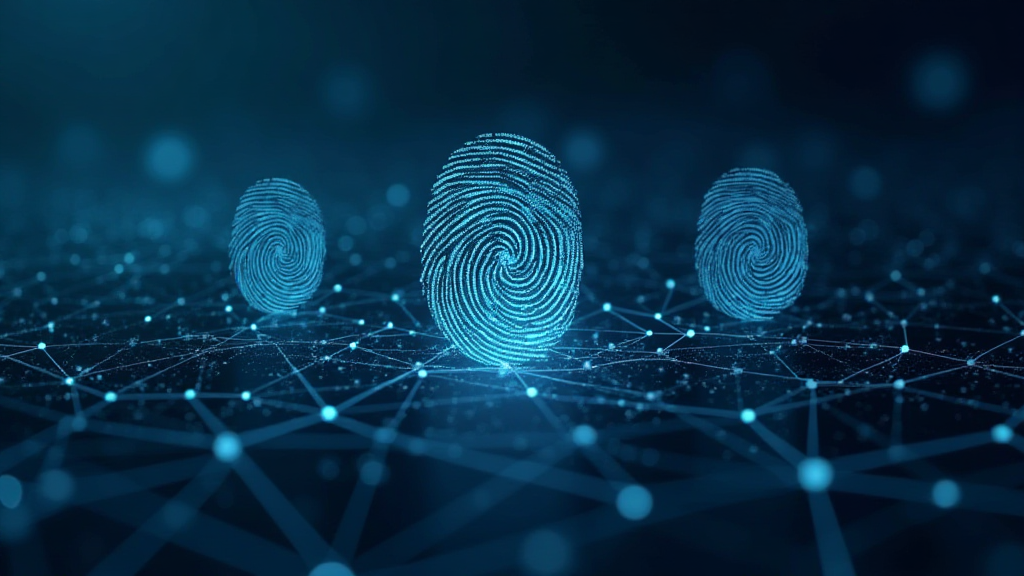
Web3 refers to the next generation of the internet that is decentralized and powered by blockchain technologies. It aims to give users greater control over their data and digital identities. On the other hand, biometric authentication involves using unique physical characteristics—such as fingerprints, facial recognition, and iris scans—to verify a person’s identity. Combining these concepts offers a robust way to secure user interactions in Web3 environments.
The Importance of Biometric Security in Blockchain
- Enhanced User Control: Unlike traditional systems where passwords and usernames reign supreme, biometrics allows users to act as their own credentials.
- Reduced Fraud Risks: With the increase in phishing attacks and identity theft, a biometric authentication layer can deter these threats.
- Regulatory Compliance: As regulations tighten across countries, mainly in the context of financial transactions, biometric systems can help comply with rules around identity verification.
Real-World Applications of Biometric Authentication
Imagine walking into a bank that recognizes you instantly and grants access to your digital assets without you ever pulling out a card or entering a password. This scenario may sound futuristic, yet it illustrates the practical applications of biometric authentication in the Web3 ecosystem.
Smart Contracts and Biometrics
Smart contracts, the backbone of many decentralized applications (dApps), can indeed utilize biometric verification. By integrating biometric systems, users can ensure that only authorized individuals can execute or amend a contract. Here’s how it might work:
- When a user wants to initiate a transaction, they will be prompted for biometric verification.
- Once verified, the smart contract executes, ensuring that the transaction is secure and valid.
Vietnam’s Growing Interest in Blockchain Security
Vietnam has witnessed a substantial increase in blockchain adoption, with recent stats indicating a 15% increase in cryptocurrency users in 2023 alone. As the market matures, there is a clear demand for stronger security measures. Implementing biometric authentication aligns perfectly with this trend, offering Vietnamese users an enhanced way to secure their digital assets. Furthermore, educational initiatives around tiêu chuẩn an ninh blockchain are crucial to create awareness about these new technologies.
Challenges of Implementing Biometric Solutions
While the benefits of biometric authentication are clear, challenges remain:
- Privacy Concerns: Users may be hesitant to share biometric data due to fears of misuse or data breaches.
- Costs: Integrating biometric systems can be expensive, especially for smaller projects.
- Technical Limitations: Ensuring the reliability and accuracy of biometric readers in diverse conditions can be a challenge.
The Future Landscape of Web3 and Biometric Authentication
The marriage of Web3 and biometric authentication could reshape how we think about digital security. With rapid advancements in technology, we can expect:
- Wider Adoption: As the technology proves itself, more platforms will likely integrate biometric options.
- Innovative Use Cases: From gaming to finance, expect to see unique implementations of biometrics.
- Increased Regulatory Frameworks: Governments will formulate more comprehensive rules surrounding the use of biometric data in online transactions.
Conclusion: The Road Ahead
As we navigate the complexities of digital security, the evolution of Web3 biometric authentication holds promise. While challenges abound, the potential for enhanced security, fraud reduction, and regulatory compliance makes this technology a compelling prospect. Users and developers must work together to overcome hurdles, ensuring that the foundation of our digital interactions remains secure.
Engage with us on this journey, and consider the plethora of features biometric authentication can bring to your digital lifestyle!
For more information on secure blockchain solutions and innovative tech ideas, visit hibt.com.
Not financial advice. Consult local regulators for guidance.
As digital security evolves, we continue to witness the merging of cutting-edge technologies, transforming how we secure our assets and identities in a decentralized world.
Author: Dr. Alex Chen, a distinguished expert in blockchain technology, having published over 20 papers in the field and led major projects in Web3 compliance audits.