Crypto Hardware Security: Safeguarding Your Digital Assets in 2025
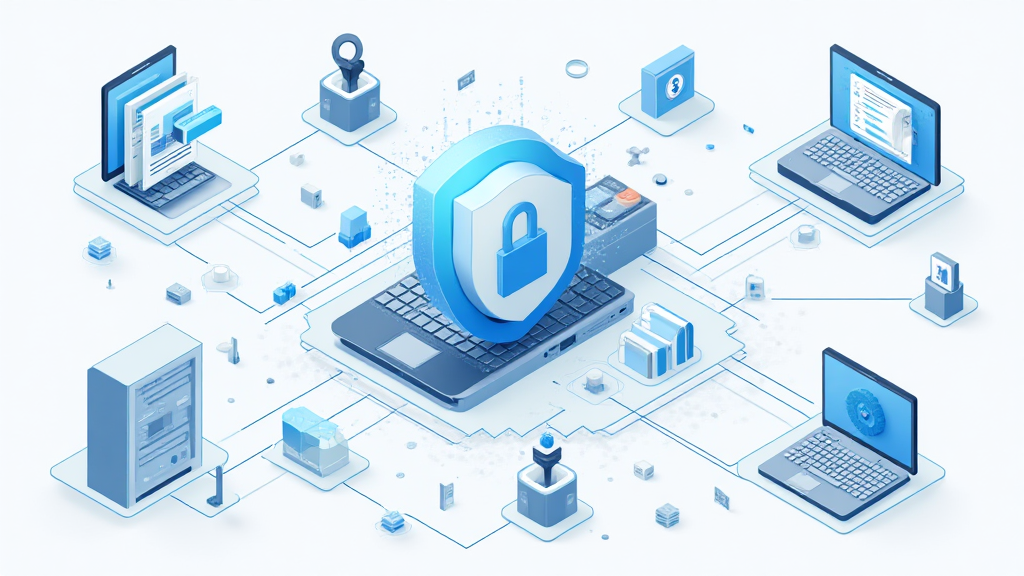

Crypto Hardware Security: Safeguarding Your Digital Assets in 2025
Have you noticed a troubling trend in the crypto landscape? In 2024 alone, a staggering $4.1 billion was siphoned off through various DeFi hacks. With the rise of digital currencies and the corresponding technology that underpins them, ensuring that your investments are safe is more paramount than ever. In this comprehensive guide, we delve into the intricate world of crypto hardware security, exploring the methods and technologies designed to protect your digital assets from potential threats.
Understanding Crypto Hardware Security
Crypto hardware security refers to the physical devices designed to securely store cryptocurrency private keys and facilitate transactions. These systems are structured to withstand external tampering and are essential for any serious crypto investor. Just like a vault safeguards physical cash, crypto hardware wallets protect your digital wealth.
- Importance of Strong Keys: Private keys are crucial to accessing and managing crypto assets.
- Attack Resistant: Hardware wallets are designed to resist malware and hacking attempts.
- User-Friendly: These devices offer a simple interface for managing complex crypto transactions.
Types of Crypto Hardware Security Solutions
The tools available for protecting digital assets vary in both their functionality and price. Here are a few popular types of hardware security solutions in 2025:
- Hardware Wallets: Devices like Ledger and Trezor that store your keys offline.
- Air-Gapped Security: Systems completely isolated from any internet connections.
- Secure Enclaves: Embedded systems within PCs or mobile devices that provide additional layers of security.
Real-World Applications and Use Cases
In a world where threats evolve rapidly, many businesses and individual investors are relying on hardware security solutions. Let’s break it down with a few scenarios:
- Businesses Leveraging Cold Storage: Many companies opt to store their cryptocurrencies in cold wallets to lessen the risk of being hacked online.
- Secure Transactions: For high-value transactions, hardware wallets can significantly reduce the risk of interception.
- Long-Term Holding: Investors looking to hold their assets for several years prefer the enhanced security offered by hardware wallets.
Challenges and Common Misconceptions
Despite the advantages, several myths about crypto hardware security persist:
- All Wallets are Equal: Not all hardware wallets provide the same level of security. Research is crucial.
- Offline Means Infallible: While hardware wallets are safer, they are not immune to physical damage or loss.
- Urgent Updates: Maintaining up-to-date firmware on your wallet is key to protecting against new vulnerabilities.
How to Choose the Right Hardware Wallet for You
Choosing a hardware wallet involves assessing several factors to ensure your assets are safe:
- Supported Cryptocurrencies: Ensure it supports the coins you plan to invest in.
- Security Features: Look for features like passphrase support, two-factor authentication, and backup options.
- User Reviews: Analyzing user experiences can guide your decision.
Trends in Crypto Hardware Security
As the crypto landscape evolves, so do the tools that protect it. In Vietnam, the user growth rate for cryptocurrency is projected to exceed 20% annually, emphasizing the need for robust security solutions:
- Enhanced Integration: Future hardware wallets may integrate more seamlessly with DeFi platforms.
- AI-Assisted Security: AI tools could assist in threat detection and prevention.
- Simplifying the User Experience: Innovations are focusing on making hardware wallets more user-friendly for the average investor.
Conclusion
As we head further into 2025, crypto hardware security will continue to play a pivotal role in protecting digital assets. With threats constantly evolving, investing in hardware wallets and understanding the landscape will be crucial for anyone involved in cryptocurrencies.
To summarize, protecting your assets doesn’t have to be overwhelming. Use the tips outlined in this guide to navigate the world of crypto hardware security like a pro.
For more insights into crypto security and updates in the ever-changing digital currency landscape, visit techcryptodigest. Remember, these practices aim to keep your investments protected and secured. Not financial advice. Consult local regulators for guidance.
About the Author
John Prescott is a Cybersecurity Expert who has authored over 15 papers on blockchain technology and has led numerous security audits for prominent crypto projects. His extensive experience positions him as a knowledgeable voice in the realm of crypto hardware security.