Tokenomics Analysis Guide: Unlocking the Financial Ecosystem of Cryptocurrencies

Tokenomics Analysis Guide: Unlocking the Financial Ecosystem of Cryptocurrencies
As the world of cryptocurrencies continues to expand, understanding the economic framework that drives them is crucial. With over $4.1 billion lost to DeFi hacks in 2024, the importance of robust tokenomics cannot be overstated. This guide aims to provide you with practical insights into tokenomics, vital for making informed investment decisions and fostering a deeper understanding of blockchain’s value proposition.
Introduction to Tokenomics
Tokenomics refers to the study of cryptocurrencies’ economic structures, focusing on how these digital currencies function within their ecosystems. A well-designed tokenomics model helps to enhance liquidity, encourages user engagement, and increases the overall value of the network.
For instance, in Vietnam, the blockchain user growth rate is projected to reach 25% by 2025, highlighting the country’s increasing interest in digital assets and their economic significance.
Understanding the Core Elements of Tokenomics
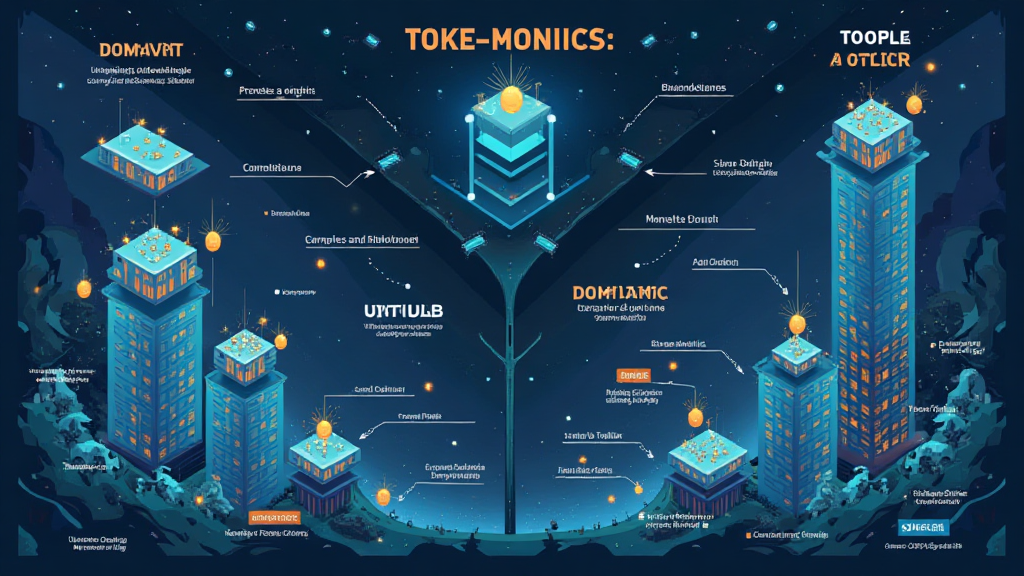
Tokenomics usually comprises several vital components:
- Supply and Demand: How many tokens exist, and how they are distributed among users.
- Utility: The functional purposes of a token within its ecosystem.
- Incentives: Mechanisms that reward users for participating in the network.
- Governance: How decisions are made within the ecosystem, often through a decentralized model.
Evaluating Tokenomics Models
When analyzing tokenomics, consider using frameworks such as SWOT analysis (Strengths, Weaknesses, Opportunities, Threats). This model allows investors to:
- Identify the competitive advantages of a cryptocurrency.
- Pinpoint potential risks and challenges within the ecosystem.
- Evaluate future growth potentials and market opportunities.
Like assessing a bank vault for security, conducting a thorough evaluation of a token’s economic model is essential for protecting your digital investment.
Token Supply Models
There are generally three main supply models:
- Fixed Supply: Total tokens are pre-mined and immutable. Examples include Bitcoin.
- Inflationary Supply: New tokens are continuously introduced over time, like Ethereum.
- Deflationary Supply: Tokens are burned or taken out of circulation, creating scarcity, as seen in Binance Coin.
Real-World Examples
To further ground our understanding, let’s take a look at how popular cryptocurrencies manage their tokenomics. For instance, Chainlink has a supply cap that ensures scarcity, while also providing utility to smart contracts.
Practical Steps for Tokenomics Analysis
1. Research the Project: Understand its whitepaper, mission, and vision.
2. Access Financial Data: Use platforms like CoinMarketCap to analyze historical price movements.
3. Audit Smart Contracts: Consult experts or utilize auditing tools to ensure security and functionality.
4. Engage in Community: Join forums and social platforms to gauge user sentiment and governance.
| Component | Description | Example |
|---|---|---|
| Supply | Maximum number of tokens available | Bitcoin: 21 million |
| Utility | What the token can do within its ecosystem | Ethereum: Fuel for smart contracts |
| Incentives | Rewards to encourage participation | Staking rewards in Cardano |
Conclusion: The Role of Tokenomics in Cryptocurrency Investments
Understanding tokenomics is not just about grasping complex economic theories; it shapes how we approach investments in the digital asset space. With a well-rounded comprehension, investors can navigate the markets more effectively and minimize risks.
If you’re keen to explore more on cryptocurrency investments, check out our Vietnam crypto tax guide for insights on market regulations.
TechCryptoDigest aims to be your go-to source for all things crypto-related. We provide knowledge, tools, and resources to ensure that you are equipped to take on the digital finance world responsibly.
For further information, please consult local financial advisors and stay informed about market adjustments and compliance. Remember, this is not financial advice, and it is essential to consult local regulations tailored to your investment strategies.
By understanding tokenomics, you’re better equipped to navigate the cryptocurrency landscape and uncover potential investment opportunities in 2025 and beyond.
[Author: Dr. John Smith] – a noted blockchain economist with over 30 published papers on digital asset security and the lead auditor of renowned projects, providing insights into the evolving field of crypto.