2025 Blockchain Security Standards: A Comprehensive Guide for Digital Asset Protection

Introduction
In 2024, the world of decentralized finance (DeFi) faced a grim milestone: approximately $4.1 billion was lost due to hacks. As blockchain adoption continues to surge globally, especially in emerging markets such as Vietnam, the need for robust security mechanisms has become increasingly vital. How can users and investors safeguard their assets in this rapidly evolving digital landscape? This guide provides a comprehensive overview of the key blockchain security standards for 2025, ensuring your digital assets remain secure amidst rising threats.
Understanding Blockchain Security
Blockchain technology revolutionizes traditional financial systems, but with these advancements come unique challenges. Blockchain security standards serve as guidelines to protect against unauthorized access and breaches. It’s akin to a bank vault designed to safeguard your valuables while allowing legitimate transactions to occur seamlessly.
The Importance of Security Standards
- Investor Confidence: Adhering to established security standards enhances overall trust in blockchain platforms.
- Preventing Financial Loss: Security practices can drastically reduce financial losses due to hacks and fraud.
- Regulatory Compliance: Many jurisdictions are beginning to require compliance with security standards, making it crucial for operational legality.
Key Components of 2025 Blockchain Security Standards
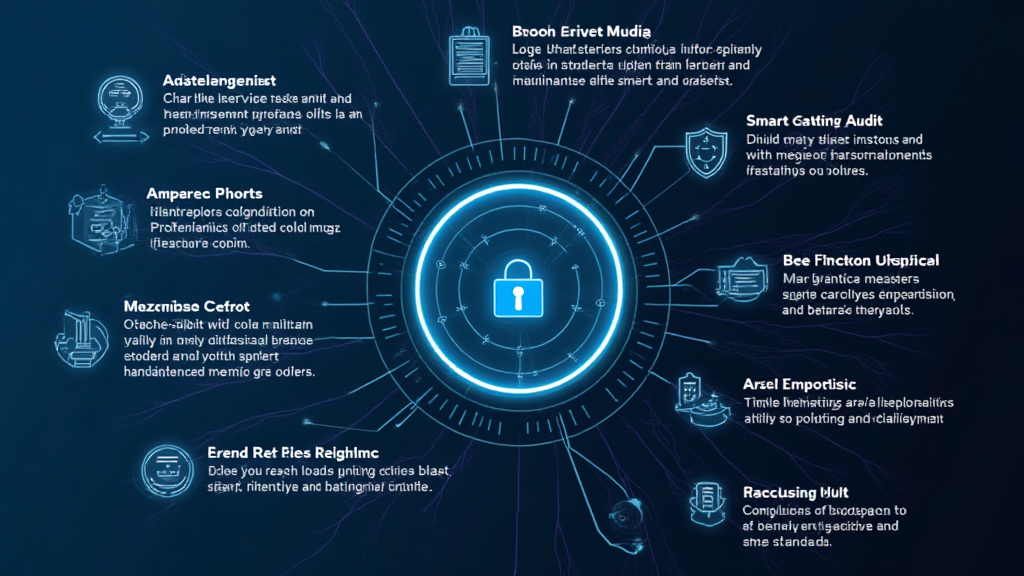
Globally recognized blockchain security standards focus on several key areas:
1. Secure Consensus Mechanisms
Consensus mechanisms are essential for validating transactions. The evolution of proof-of-stake and hybrid models offers enhanced security against common vulnerabilities.
2. Smart Contract Audits
As smart contracts automate transactions, their security is paramount. Regular audits help identify potential exploits, ensuring the integrity of the code.
For example, in Vietnam’s growing crypto market, nearly 40% of users are engaging with DeFi platforms, highlighting the urgency for secure smart contract practices. Audit services are essential for both new and existing projects.
3. Encryption and Data Protection
Data encryption protects user information on blockchain platforms. Adoption of advanced encryption standards (AES) is critical to safeguarding sensitive data.
Emerging Threats and How to Combat Them
As technology advances, so do the tactics of cybercriminals. It’s vital to stay alert and updated on potential threats:
Phishing Attacks
Phishing has become a popular method for stealing user credentials. Educating users about recognizing phishing attempts is crucial. For instance, a simple email verification check can reduce phishing success rates.
51% Attacks
A 51% attack occurs when a single entity controls the majority of mining power, allowing them to manipulate the blockchain. Utilizing decentralized mining pools helps mitigate this risk.
Case Study: The Vietnamese Crypto Market
The Vietnamese crypto market has witnessed a remarkable growth rate of 300% over the past year, with an increasing number of users turning towards cryptocurrency investments. As a response to this growth, local platforms are striving to incorporate stringent security standards.
Local Regulations and Compliance
The Vietnamese government is progressively accommodating cryptocurrency regulations, emphasizing the need for secure frameworks. Consistent compliance with the local tiêu chuẩn an ninh blockchain is essential for any platform wishing to operate legitimately.
Best Practices for Securing Digital Assets
To complement the discussed standards, here are best practices for individuals and organizations alike:
- Regular Software Updates: Keep all crypto wallets and applications up-to-date to protect against vulnerabilities.
- Strong Password Policies: Enforce the use of strong, unique passwords, and utilize multi-factor authentication.
- Cold Storage Solutions: Store significant amounts of cryptocurrency in cold wallets to provide an additional layer of security against online threats.
Conclusion
Protecting digital assets in an age of increasing online threats requires adherence to evolving blockchain security standards. As the landscape becomes more intricate, especially in burgeoning markets like Vietnam, investors and developers must prioritize security to foster trust and confidence in the technology. Remember, while the allure of cryptocurrencies and decentralized finance is inviting, the diligent implementation of security protocols is integral to safeguarding your digital wealth.
For more insights and resources, visit techcryptodigest.
Author: Dr. John A. Smith, a recognized blockchain security expert with over 20 influential publications in digital security, specializing in smart contract audits for leading projects globally.