NFT Authentication Protocols: Enhancing Security in the Digital Asset Landscape

NFT Authentication Protocols: Enhancing Security in the Digital Asset Landscape
As the popularity of NFTs surges, the need for robust NFT authentication protocols becomes increasingly critical. In 2024, the NFT market was valued at over $24 billion, yet $4.1 billion was lost due to scams and frauds. This alarming statistic raises an important question: How can we secure our digital assets against such threats?
In this article, we will delve deep into the world of NFT authentication protocols, exploring their importance, types, and how they can safeguard digital ownership. We will also examine the market trends in Vietnam to highlight the growing demand for secure NFT transactions.
Understanding NFT Authentication
NFTs, or Non-Fungible Tokens, represent unique digital assets on the blockchain. Unlike cryptocurrencies, which are interchangeable, NFTs possess distinct metadata that makes each token unique. However, this uniqueness also makes them a prime target for counterfeiters and fraudsters.
What Are NFT Authentication Protocols?
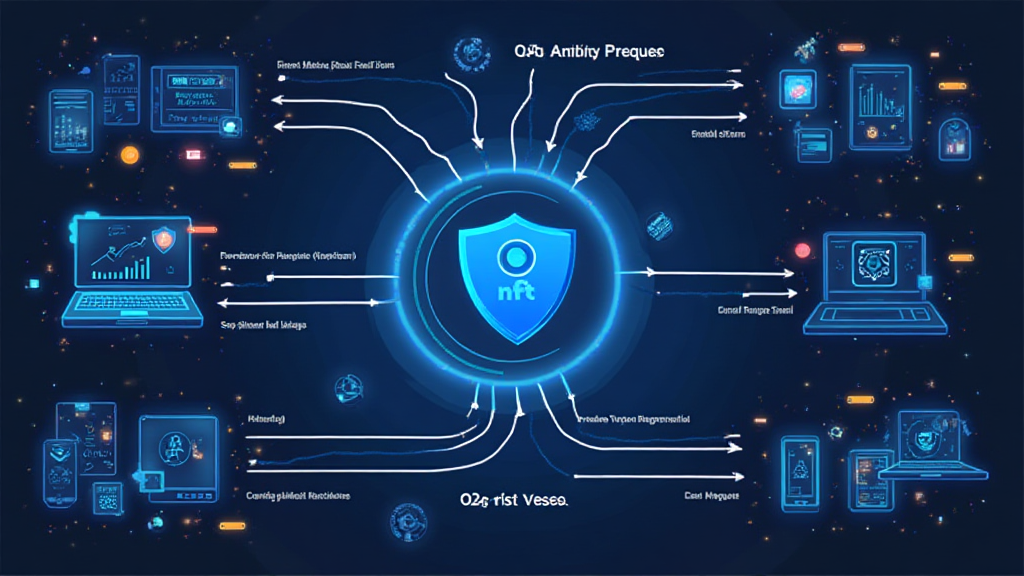
Authentication protocols for NFTs are a set of rules and methods that ensure the legitimacy of a digital token’s ownership and origin. Think of these protocols as a digital fingerprint, verifying the authenticity of NFT transactions.
Importance of NFT Authentication Protocols
- Prevention of Fraud: By implementing robust authentication protocols, users can prevent unauthorized access and ownership disputes.
- Enhancing Trust: With reliable authentication, buyers can invest confidently in NFTs, knowing that their purchase is secure.
- Market Stability: A secure NFT market encourages more participants, contributing to overall market growth.
Types of NFT Authentication Protocols
Various protocols are being developed to secure NFTs, each with unique approaches to authentication. Here are some of the most notable:
1. Smart Contracts
Smart contracts are self-executing contracts with the terms directly written into code. When it comes to NFTs, they ensure that all transactions are transparent and verifiable on the blockchain.
2. Digital Signatures
Digital signatures use cryptographic algorithms to produce a signature that authenticates the ownership and originality of the NFT. This method adds an extra layer of protection against counterfeit tokens.
3. Cross-chain Verification
Cross-chain verification involves checking NFT ownership across multiple blockchain networks. This technique can help verify authenticity and prevent fraud across various platforms.
Real-World Applications of NFT Authentication
To understand the significance of NFT authentication protocols, let’s take a look at some real-world applications:
- Digital Art: Artists can mint NFTs of their artwork while ensuring that ownership is verifiable, preventing unauthorized reproductions.
- Gaming: In-game items can be securely traded as NFTs, allowing players to have guaranteed ownership over their collectibles.
- Real Estate: NFTs can represent ownership shares in properties, ensuring transparent transactions and reducing the likelihood of fraud.
NFT Authentication in the Vietnamese Market
In Vietnam, the NFT market is rapidly evolving, with a remarkable 60% user growth rate noted in 2024. As the demand for digital assets rises, so does the necessity for secure NFT transactions.
Challenges Ahead
Even with growing awareness, there are challenges to implement effective NFT authentication protocols:
- Lack of Standards: Currently, there are no universal standards for NFT authentication, leading to inconsistencies in security measures.
- User Awareness: Educating users about the importance of authentication protocols remains a challenge.
- Technological Barriers: Access to reliable blockchain infrastructure can be limited in certain regions.
Future of NFT Authentication Protocols
The future looks promising for NFT authentication protocols. Innovations in blockchain technology and increased in user education will likely lead to more secure and user-friendly protocols. Here are some predictions:
- Standardization: Expect the rise of universal standards for NFT security, making it easier for users to verify ownership and authenticity.
- Enhanced Security Features: Enhanced cryptographic measures and better smart contracts will emerge as technology advances.
- Integration with Emerging Technologies: The fusion of AI and blockchain will pave the way for more sophisticated authentication methods.
Conclusion
In summary, NFT authentication protocols play a crucial role in ensuring the legitimacy and security of digital assets. As the NFT market continues to grow, particularly in regions like Vietnam, the necessity for robust authentication systems will only increase. Adopting these protocols will not only protect assets but also enhance trust and stability in the digital marketplace.
Not financial advice. Consult local regulators.
For further reading, check our article on Vietnam crypto taxes and learn strategies for managing your digital assets.
In this evolving landscape, staying informed and proactive about security measures in NFTs is paramount to protecting one’s investment. We encourage users and companies to adopt best practices in tiêu chuẩn an ninh blockchain as they navigate this exciting frontier.
About the Author
Dr. Alice Tran is a leading expert in blockchain security with over 20 published papers on digital asset security protocols. She has led audits for several high-profile blockchain projects, ensuring that they meet robust security standards.