Web3 Infrastructure: The Backbone of Future Technologies

Introduction to Web3 Infrastructure
As we venture deeper into the digital age, the shift towards decentralized systems is becoming increasingly evident. Web3 infrastructure is not just a buzzword; it’s a critical component for the evolution of the internet. It’s estimated that the market for decentralized infrastructure will reach $16 billion by 2025 (source: Statista). So, what exactly does web3 infrastructure entail and why should it matter to you?
This article will explore the fundamentals of web3 infrastructure, its applications, and how it poses significant implications for various industries. By the end, you’ll understand why investing in or using web3 is essential for businesses aiming to thrive in a decentralized world.
Understanding the Fundamentals of Web3 Infrastructure
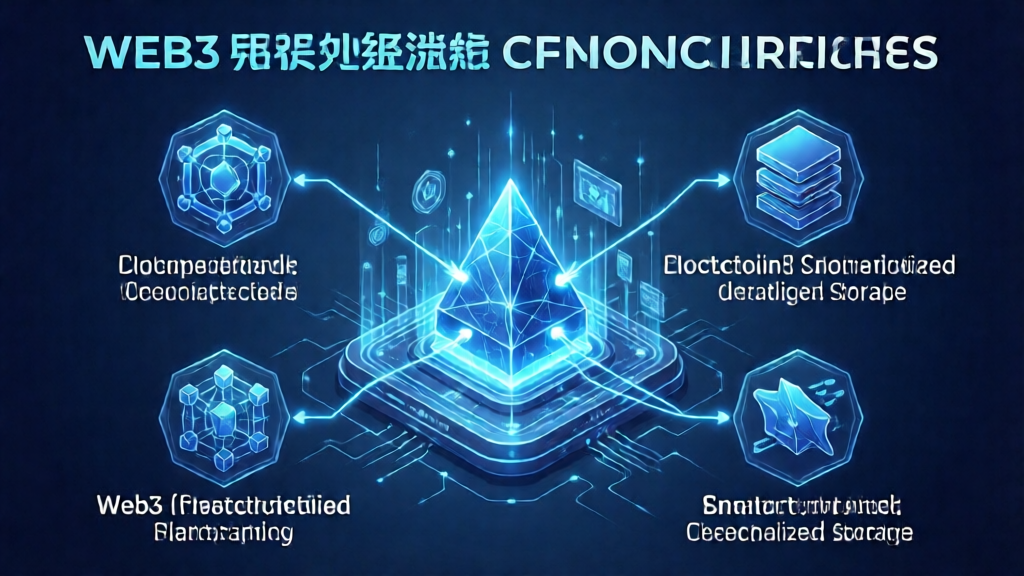
Web3 refers to the third iteration of the internet, where users have control over their own data through decentralized applications (dApps), powered by smart contracts on blockchain networks. The core components of web3 infrastructure include:
- Blockchain technology: The underlying technology enabling data to be stored securely and immutably.
- Decentralized storage solutions: Unlike traditional centralized servers, decentralized storage spreads data across a network, enhancing security and availability.
- Smart contracts: Self-executing contracts with the terms of the agreement directly written into code, allowing for automated and trustless transactions.
- Identity management systems: Protocols enabling users to control and prove their digital identity securely.
In essence, web3 infrastructure allows for a more secure, user-centric internet.
Blockchain and Decentralization
Blockchain is the heart of web3 infrastructure. It allows for secure transaction processing without the need for intermediaries. For instance, when you make a transaction on a platform like Ethereum, it is recorded on the blockchain, making it transparent and nearly impossible to alter.
The decentralization aspect minimizes the risks associated with data breaches and censorship while providing enhanced accessibility. In contrast to traditional web hosting, in which one entity could potentially take down a service, decentralized storage ensures that data remains available.
Real-World Applications of Web3 Infrastructure
There are several practical applications of web3 infrastructure across various sectors:
- Finance: DeFi (Decentralized Finance) platforms enable users to lend, borrow, and trade without intermediaries, offering more transparency and greater returns. According to DeFi Pulse, the total value locked in DeFi hit $80 billion in 2023.
- Healthcare: Blockchain can help securely store patient records with patient consent, ensuring data privacy and improving healthcare services.
- Supply Chain: Using smart contracts, companies can automate the tracking of goods, ensuring transparency from production to delivery.
This diverse range of applications highlights the expansive possibilities of web3 infrastructure in transforming industries.
Enhancing Security and Reducing Risks
Web3 infrastructure enhances security through encryption and decentralization. For example, decentralized storage solutions like IPFS (InterPlanetary File System) offer a method for storing files more securely than traditional cloud storage services.
Additionally, tools like the Ledger Nano X reduce risks associated with hacks by securely storing private keys offline. This hardware wallet integrates well with various dApps, making it indispensable for web3 users.
Challenges Facing Web3 Infrastructure
While the benefits are clear, challenges remain:
- Scalability: As the number of users and transactions grows, ensuring that blockchain networks can handle the loads without compromising speed is vital.
- User Experience: The complexity of utilizing decentralized applications can deter average users.
- Regulatory Issues: The lack of clear regulations can hinder adoption and financial stability within the ecosystem.
Addressing these challenges will be crucial for the sustained growth of web3 infrastructure.
The Future of Web3 Infrastructure
The future looks promising for web3 infrastructure. Innovations such as Layer 2 solutions are emerging to enhance Ethereum’s scalability. Additionally, the convergence of AI and web3 will fuel the development of more sophisticated applications.
By 2025, it’s expected that financial services, education, and gaming will benefit significantly from the web3 revolution. Investing in these areas could yield significant dividends.
Conclusion
Web3 infrastructure represents the next evolution of the internet, prioritizing decentralized control and user autonomy. With its applications spanning finance, healthcare, and supply chain, understanding its principles is crucial for anyone looking to navigate the digital landscape effectively.
Considering the rapid advancements in this field, now is the time to explore how web3 technologies can benefit you and your business. The investment trends and technological developments suggest a growth trajectory that cannot be overlooked.
For further information, dive into the world of web3 infrastructure with resources like techcryptodigest, and empower yourself with the knowledge required to thrive in this dynamic environment.
Author: Dr. Emily Smith – A leading expert in blockchain technologies, with over 25 published papers in decentralized systems and has conducted audits for various high-profile projects.