Building the Future: An Overview of the Web3 Tech Stack

Introduction
The world of cryptocurrency is evolving rapidly, influenced by the advent of Web3 technologies. With an estimated $4.1B lost to DeFi hacks in 2024, understanding the Web3 tech stack has never been more critical. This stack not only emphasizes security but also aims to create a decentralized ecosystem where users have control over their digital assets. This article will delve into the foundational elements of the Web3 tech stack, providing insights on its major components and best practices.
Understanding Web3 Technology
Web3 represents the third generation of the internet, focusing on decentralization and user empowerment. Unlike its predecessors, Web1 (static websites) and Web2 (social media and user-generated content), Web3 allows users to interact with applications directly, without intermediaries. This decentralization is primarily made possible through blockchain technology.
Key Components of the Web3 Tech Stack
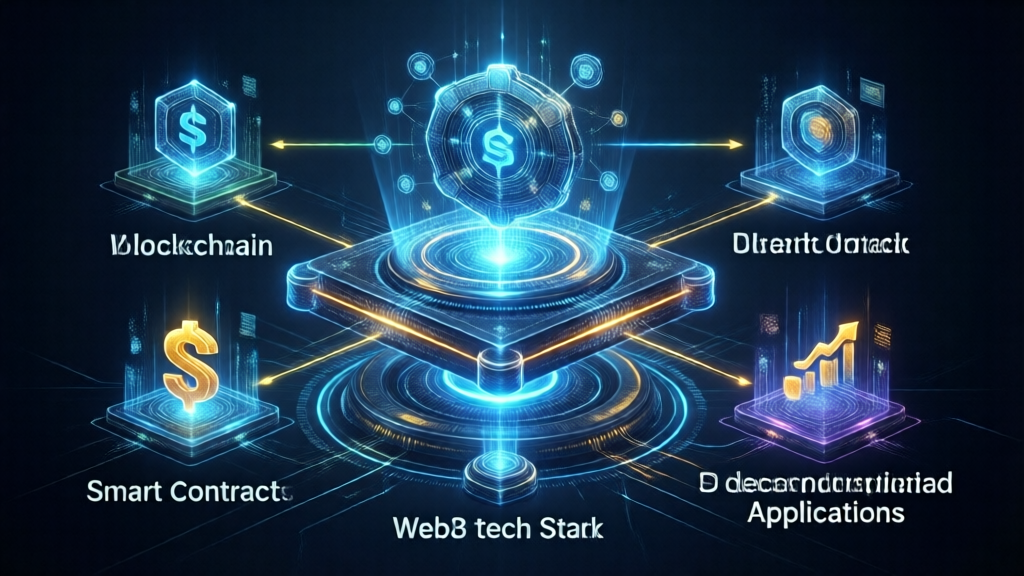
- Blockchain: The backbone of Web3, providing a transparent and secure ledger for transactions.
- Smart Contracts: Autonomous programs that execute agreements when conditions are met.
- Decentralized Applications (dApps): Apps that run on peer-to-peer networks, enhancing user control.
- Web3 Browsers: Browsers designed to interact with the decentralized web.
- Decentralized Identity Systems: Systems that allow users to control their personal data.
Blockchain: The Foundation of Web3
At the core of the Web3 tech stack is blockchain technology. It is a distributed ledger that records transactions across many computers, ensuring that the recorded data is immutable and transparent. Blockchain allows for peer-to-peer interactions, which eliminate the need for centralized authorities.
Types of Blockchain
- Public Blockchains: Open to everyone, with transparency as a core principle (e.g., Ethereum).
- Private Blockchains: Restricted access, usually within organizations.
- Consortium Blockchains: Controlled by a group of organizations rather than a single entity.
Smart Contracts: Automating Trust
Smart contracts are computer programs stored on a blockchain that automatically execute when predetermined conditions are met. They reduce the need for intermediaries and enhance transparency. Here’s the catch: while they are designed to remove human error, poor coding can lead to vulnerabilities.
How to Audit Smart Contracts
- Review the code for logical flaws.
- Run security tests to identify vulnerabilities.
- Use formal verification methods to ensure correctness.
Decentralized Applications (dApps)
dApps operate on a blockchain or decentralized network, offering services without a central authority. They can take various forms, from gaming to finance. Users enjoy a transparent experience, enabling them to verify transactions in real-time.
Web3 Browsers: Unlocking the Decentralized Web
Traditional browsers connect users to centralized websites. In contrast, Web3 browsers facilitate connections to the decentralized web, enabling users to engage with dApps easily and securely. Browser extensions like MetaMask allow users to manage their digital assets directly through their browsing experience.
Security Standards in Web3
With increasing adoption, security becomes paramount. The Web3 tech stack must adhere to stringent tiêu chuẩn an ninh blockchain to protect users from vulnerabilities and hacks.
Best Practices for Enhancing Security in Web3
- Regular Audits: Ensure ongoing security assessments of all smart contracts.
- User Education: Inform users about security practices and potential threats.
- Multi-Signature Wallets: Enhance security by requiring multiple approvals for transactions.
The Future of the Web3 Tech Stack
As the Web3 landscape evolves, we anticipate increased growth in user base, especially in regions showing promising statistics, such as a 20% growth rate among American users in 2025. This growth indicates a shift toward embracing decentralized technologies.
Emerging Trends and Predictions
- Increased Adoption of NFTs: As digital ownership becomes crucial, NFTs will gain more traction.
- Rise of DeFi Solutions: Decentralized finance applications will continue to revolutionize traditional financial systems.
Conclusion
The Web3 tech stack opens up new opportunities, ensuring security, privacy, and user control. As we move forward, adopting these technologies will be vital for developers and users alike. Understanding this stack sets the foundation for navigating the evolving landscape of cryptocurrency and blockchain technologies.
For more insights into Web3 technologies, visit techcryptodigest.
Author: John Doe, a blockchain technology expert with over 10 years of experience in the field and has authored more than 30 research papers on decentralized systems and security protocols.