Decentralized Autonomous Organizations: The Future of Governance in Crypto

Introduction: The Rise of DAOs in Cryptocurrency
With over $4.1 billion lost to DeFi hacks in 2024, the need for secure, transparent, and efficient governance mechanisms in the crypto space has never been more critical. Enter Decentralized Autonomous Organizations (DAOs). These entities promise a new model of governance that is both decentralized and autonomous, relying on smart contracts to enforce rules without the need for traditional hierarchical structures. This article aims to provide a comprehensive overview of DAOs, their significance in the cryptocurrency landscape, and their potential impact on the future of governance.
What are Decentralized Autonomous Organizations (DAOs)?
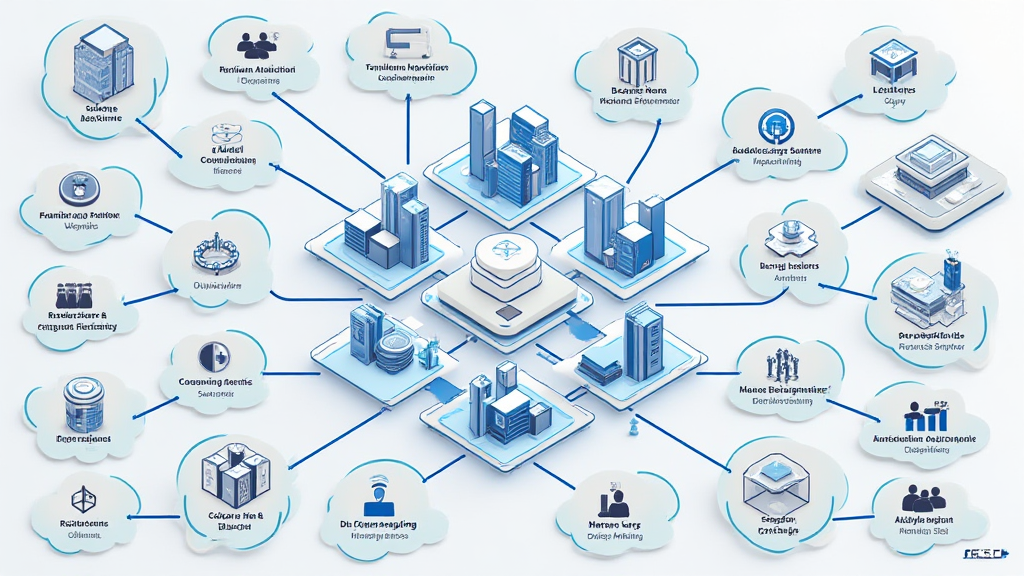
At their core, DAOs are organizations that operate through smart contracts on the blockchain. They are designed to be fully decentralized, with decision-making power distributed among all members rather than centralized in a few individuals. This structure allows for greater transparency, as all transactions and decisions are recorded on the blockchain, making it nearly impossible for any single entity to manipulate the system.
The Mechanics of DAOs
- Smart Contracts: These are self-executing contracts with the terms of the agreement directly written into code. They automatically enforce and execute agreements without the need for intermediaries.
- Token-Based Governance: Members typically hold tokens that grant them voting rights. The more tokens a member holds, the greater their influence on decisions.
- Transparency and Immutability: Every action taken within a DAO is recorded on the blockchain, ensuring accountability.
The Significance of DAOs in the Crypto Landscape
As illustrated by the growing number of DAOs, these entities are quickly becoming a fundamental part of the cryptocurrency ecosystem. According to recent studies, the number of DAOs has surged by 200% in the last year alone, indicating increasing interest from investors and enthusiasts alike. This growth reflects a broader trend towards decentralized governance and community-driven projects.
Benefits of DAOs
- Increased Transparency: All transactions are recorded on the blockchain, promoting trust among members.
- Reduced Centralization: DAOs eliminate the need for intermediaries, lowering costs and increasing efficiency.
- Community Involvement: Members have a direct say in decisions, fostering a sense of ownership and commitment.
Challenges Facing DAOs
While DAOs present many benefits, they are not without their challenges. One significant concern is security. The infamous DAO hack back in 2016, which exploited vulnerabilities in the code to steal $60 million, highlights the risks associated with smart contracts. As DAOs become more prevalent, improving security measures will be crucial.
Implementing Effective Governance
Another challenge lies in governance itself. Although DAOs aim to create a democratized decision-making process, issues such as voter apathy and manipulation can still occur. To counteract these problems, many DAOs are experimenting with innovative voting mechanisms and incentive structures to encourage active participation.
Real-World Applications of DAOs
DAOs have already begun to make waves in various sectors of the cryptocurrency market. From DeFi protocols to NFT platforms, the versatility of DAOs is evident. Here are a few notable examples:
- MakerDAO: A decentralized lending platform that allows users to borrow against their cryptocurrency assets.
- Uniswap: A decentralized exchange that operates through a community-driven governance model.
- Wonderland: A DAO focused on creating a decentralized reserve currency.
The Future of DAOs: Trends and Predictions
Looking ahead, DAOs are positioned to play a transformative role in the future of digital governance. With technological advancements and increasing adoption, the potential for DAOs extends beyond just the crypto sphere. We can expect to see DAOs being used in various industries, including finance, supply chain management, and even public governance.
Predicted Growth in Emerging Markets
In regions like Vietnam, where internet penetration is boosting crypto adoption, DAOs could become a game-changer. Recent statistics indicate that Vietnam’s cryptocurrency user growth rate is among the highest globally. By leveraging DAOs, Vietnamese entrepreneurs can potentially create more inclusive and participatory economic models.
Conclusion: Embracing the DAO Revolution
As we have explored, Decentralized Autonomous Organizations represent a significant shift in how organizations can operate in the digital age. With their promise of transparency, efficiency, and decentralized governance, DAOs are not just a passing trend—they are paving the way for the future. For those within the crypto space, understanding and engaging with DAOs has never been more essential. By embracing this revolutionary model, we can collectively shape the future of organizational governance.
To learn more about the world of cryptocurrency and keep up with the latest trends, visit techcryptodigest.