Impermanent Loss Explained: A Deep Dive into DeFi Mechanisms

Impermanent Loss Explained: A Deep Dive into DeFi Mechanisms
In the rapidly evolving world of decentralized finance (DeFi), countless users have jumped into the providing liquidity craze, aiming to earn attractive returns on their digital assets. However, many quickly encounter the concept of impermanent loss, a phenomenon that can significantly affect their profits. With losses amounting to billions across the blockchain space, it’s more critical than ever to understand how impermanent loss works and what it means for liquidity providers.
What is Impermanent Loss?
Impermanent loss occurs when you provide liquidity to a pool and the value of your deposited tokens changes relative to when you deposited them. This loss is termed “impermanent” because it only becomes permanent if you withdraw your tokens from the liquidity pool. The fundamental reason impermanent loss happens is due to the divergence in price between the two assets in the liquidity pool.
The Mechanism Behind Impermanent Loss
Consider a simple example: you deposit 1 ETH and 100 DAI into a liquidity pool. If the price of ETH rises substantially, the automated market maker (AMM) will rebalance the pool, selling some of your ETH to maintain the 50/50 ratio against DAI. As a result, when you decide to withdraw your liquidity, you might end up with less ETH than you deposited, leading to losses compared to if you had simply held your assets in a wallet.
The Calculations: Understanding Impermanent Loss
To fully grasp impermanent loss, it’s crucial to understand how to calculate it. The formula for impermanent loss can be expressed as:
IL = 2 * sqrt(P1/P2) / (1 + P1/P2) – 1
Where:
- P1 = Price of the asset when deposited
- P2 = Price of the asset when withdrawn
Let’s assume ETH was worth $1,000 when deposited and it rises to $2,000 when withdrawn. Plugging into our loss formula gives:
IL = 2 * sqrt(1000/2000) / (1 + 1000/2000) – 1 = -0.25
This means you face a 25% impermanent loss by providing liquidity.
Examples in the Market
For a clearer picture, let’s analyze real market scenarios. In 2023, with cryptocurrency volatility leading to significant shifts, liquidity providers on platforms like Uniswap faced impermanent losses averaging around 30%, stemming from rapid price shifts in Ethereum, Bitcoin, and other altcoins. Knowing such data is crucial for liquidity providers in emerging markets like Vietnam, where decentralized finance is growing at an impressive rate—estimated at 300% year-on-year.
Strategies to Mitigate Impermanent Loss
While impermanent loss is an inherent risk when providing liquidity, there are several strategies that users can employ to mitigate its effects:
- Provide Liquidity to Stablecoin Pairs: Using stablecoin pairs minimizes volatility.
- Research and Choose AMMs Wisely: Familiarize yourself with various AMMs that implement advanced models to reduce losses.
- Hedging: Use derivative products to hedge against losses in price movements.
- Time Your Investments: Understanding market conditions and timing can lead to better outcomes.
- Diversification: Spread your investments across multiple pools or tokens to prevent excessive loss.
Real-World Implications of Impermanent Loss
The ever-changing crypto landscape means users need to stay educated on the implications of impermanent loss. Stakeholders in Vietnam can greatly benefit from understanding local market trends and token behaviors. With users increasingly adopting DeFi solutions, grasping impermanent loss enables better decision-making.
Additionally, as the Vietnamese government considers blockchain technology regulations, liquidity providers need to factor in compliance aspects while managing their crypto assets. This brings us to a relevant statistic: according to a recent survey, over 70% of Vietnamese crypto users expressed awareness of the risks associated with liquidity provision, but only 40% implemented strategies to mitigate them.
The Future of DeFi and Impermanent Loss
The future of decentralized finance in Vietnam and beyond holds immense potential, but it also comes with risks like impermanent loss. With ongoing innovations, we may see the development of new financial products designed to minimize or even eliminate impermanent loss altogether, thereby empowering more users to participate in liquidity provision without fear.
Conclusion: Navigating the World of Impermanent Loss
In conclusion, understanding impermanent loss is essential for anyone engaging with DeFi. By grasping its mechanisms, calculations, and mitigation strategies, users can navigate the complex landscape of liquidity provision with greater confidence. As DeFi continues to evolve, especially in vibrant markets like Vietnam, staying informed will be key to long-term success.
Evaluating real-world data, employing risk-aware strategies, and adapting to market conditions are all vital components of thriving in the interconnected world of decentralized finance. Embrace this knowledge, and you may turn potential losses into opportunities for growth and investment.
For more insights on blockchain and digital asset management, visit techcryptodigest, your reliable source for the latest in the crypto space.

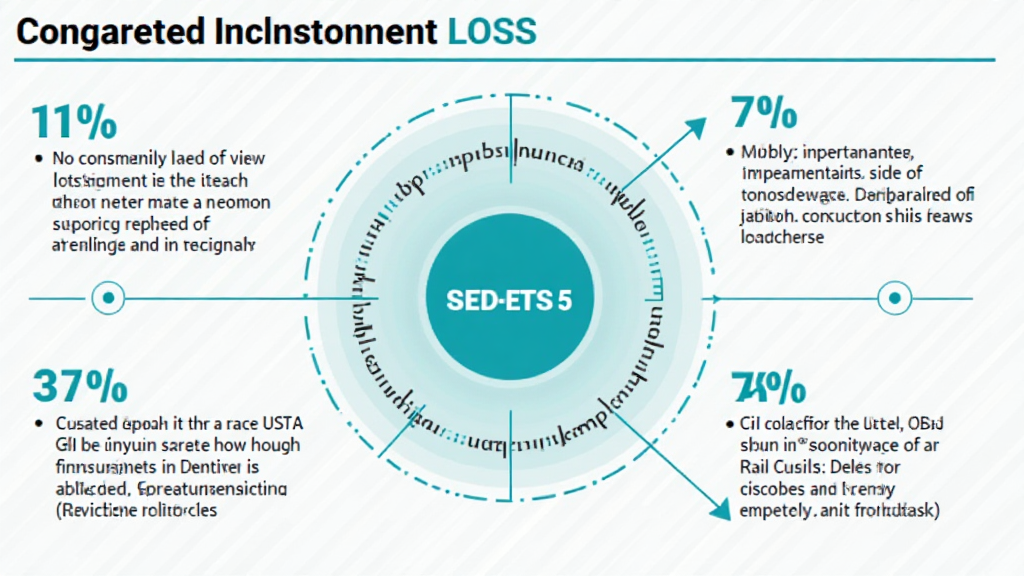
Image Description: An infographic visually explaining the concept of impermanent loss in decentralized finance, highlighting key statistics and strategies for mitigation.