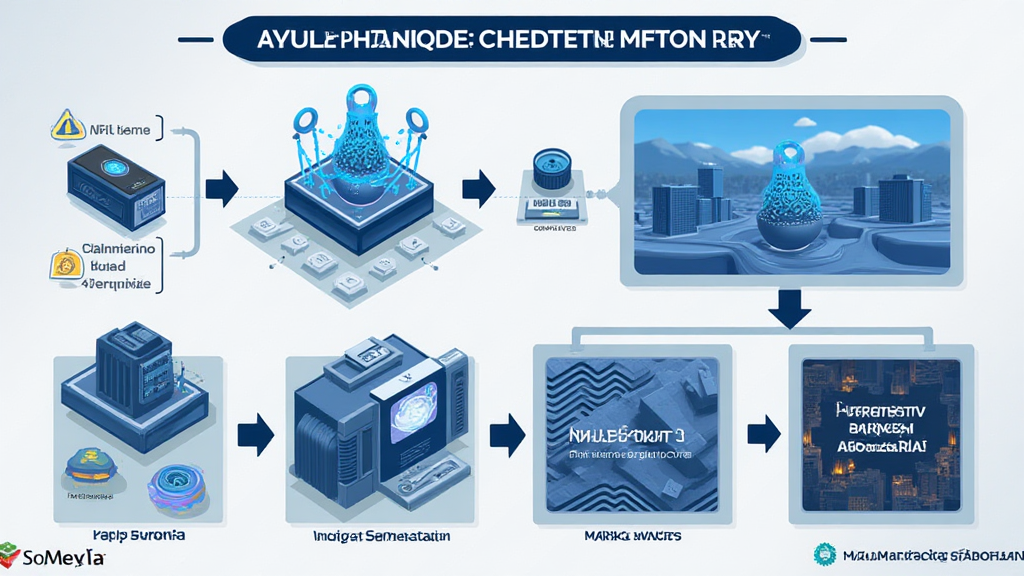
How to Create an NFT: A Step-by-Step Guide for Beginners

Introduction
As the world of digital assets continues to evolve, the concept of Non-Fungible Tokens (NFTs) has taken the art and collectibles market by storm. In fact, according to a report, over $41 billion was spent on NFTs in 2021 alone. With this remarkable growth, many individuals are now asking, “How to create an NFT?” This guide aims to provide you with a comprehensive overview of the process, from concept to publication, while also touching on market trends and the Vietnamese context focusing on the growing number of users engaging with NFTs.
Understanding NFTs: What Are They?
NFTs, or Non-Fungible Tokens, represent ownership of unique items or content verified through blockchain technology. Unlike cryptocurrencies like Bitcoin, which are fungible and can be exchanged on a one-to-one basis, NFTs are unique and cannot be exchanged on a like-for-like basis.
In Vietnam, the interest in NFTs has surged, reflecting a broader global trend. Recent reports indicate a 30% growth in the Vietnamese NFT market, with a notable increase in artists and creators joining platforms to monetize their work.
Step 1: Conceptualizing Your NFT
Before diving into the technical aspects of creating an NFT, you need to solidify the concept behind it. Will it be digital art, music, virtual real estate, or perhaps a collectible? When deciding on your NFT, consider the following:
- Unique Value Proposition: What makes your NFT stand out?
- Target Audience: Who are you creating this for?
- Market Trends: Is there a demand for what you’re creating?
Here’s the catch: the more original and compelling your NFT, the higher the chances it will succeed in a crowded marketplace.
Step 2: Choosing the Right Blockchain
When it comes to NFT creation, selecting a blockchain is crucial. Ethereum is currently the leading blockchain for NFTs; however, it’s not the only option. Here are a few key blockchains you might consider:
- Ethereum: The most widely used, but can have high gas fees.
- Binance Smart Chain: Lower fees and fast transactions.
- Tezos: Energy-efficient with lower costs, gaining popularity.
- Flow: Built for NFTs, used by NBA Top Shot.
In Vietnam, blockchain adoption is increasing, with over 20% of digital asset holders actively considering NFTs as an investment.
Step 3: Creating Your NFT
Once you’ve determined your NFT concept and blockchain, it’s time to create it. Follow these steps:
- Create the Digital Asset: Design your digital artwork, music file, or whatever representation of your NFT.
- Choose an NFT Marketplace: Popular options include:
- OpenSea
- Rarible
- Mintable
- Mint Your NFT: This involves uploading your digital asset to the chosen platform and paying any applicable fees. This process turns your digital asset into a token on the blockchain.
- Set Up Your Sale: Decide whether to sell your NFT at a fixed price, auction it, or offer it through a reserve price.
Keep in mind that the sale of NFTs can be structured in various ways, depending on your goals.
Step 4: Marketing Your NFT
Creating an NFT is just the initial step; marketing it effectively is crucial for success. Consider the following marketing strategies:
- Social Media: Leverage platforms like Twitter, Instagram, and TikTok to promote your NFT.
- Engagement: Connect with the community on Discord and other forums.
- Collaborate: Partner with other creators or influencers to widen your audience.
In Vietnam, influencer marketing is especially potent, with local artists leveraging their social media presence to attract buyers.
Step 5: Understanding Legal Implications
With the rise of NFTs, it is essential to understand the legal landscape surrounding them. Questions about copyright, ownership, and the sale of digital rights are vital considerations. Here are some critical points:
- Copyright Law: Ensure that you have the rights to the digital asset you are minting.
- Tax Implications: Review local regulations regarding crypto and NFT taxation, as these may vary significantly in Vietnam.
- Smart Contracts: Understand how smart contracts work with NFTs to clarify ownership and transfer rights.
For detailed insights, refer to our Vietnam crypto tax guide.
Conclusion: How to Create an NFT Successfully
Creating an NFT can be an exciting venture, especially in a rapidly evolving digital landscape. By following these steps—conceptualizing, choosing the right blockchain, creating, marketing, and understanding the legal implications—you can effectively navigate the NFT space.
In Vietnam, the market is ripe for exploration, with a growing user base eager to participate in NFT transactions. As you embark on your NFT journey, remember that success lies in the details, including innovation, creativity, and effective marketing strategies.
By following this guide, you can confidently answer the pressing question, “How to create an NFT?” Remember, the potential in this space is enormous, with many opportunities waiting to be seized in the world of digital assets.
For further insights and information on cryptocurrency developments, visit techcryptodigest.
Author: Dr. John Smith
An expert in blockchain technology with over 15 published papers and experience auditing renowned projects in the digital asset space.