How to Become a Validator: A Comprehensive Guide

Introduction
In the rapidly evolving landscape of cryptocurrency, the role of validators has become increasingly vital. With billions lost to hacks and security vulnerabilities, it is more crucial than ever to understand how to become a validator. According to recent statistics, in 2024 alone, the DeFi sector witnessed losses exceeding $4.1 billion due to hacking incidents. This highlights the importance of robust blockchain security measures which validators enforce through consensus mechanisms.
Becoming a validator can seem daunting, especially for those new to the blockchain space. However, this guide aims to break down the process into digestible parts, ensuring you are fully equipped to take on this rewarding, yet responsible role. In addition to the technical aspects, we’ll address market trends and local considerations, particularly focused on the Vietnamese market, which is experiencing significant growth in the crypto space.
What is a Validator?
A validator is a participant in a blockchain network that confirms transactions and adds them to the blockchain. This process is critical in proof-of-stake (PoS) and delegated proof-of-stake (DPoS) systems. Just as a bank vault secures physical money, validators play a pivotal role in safeguarding digital assets by ensuring the integrity of the blockchain.
How Does Validation Work?
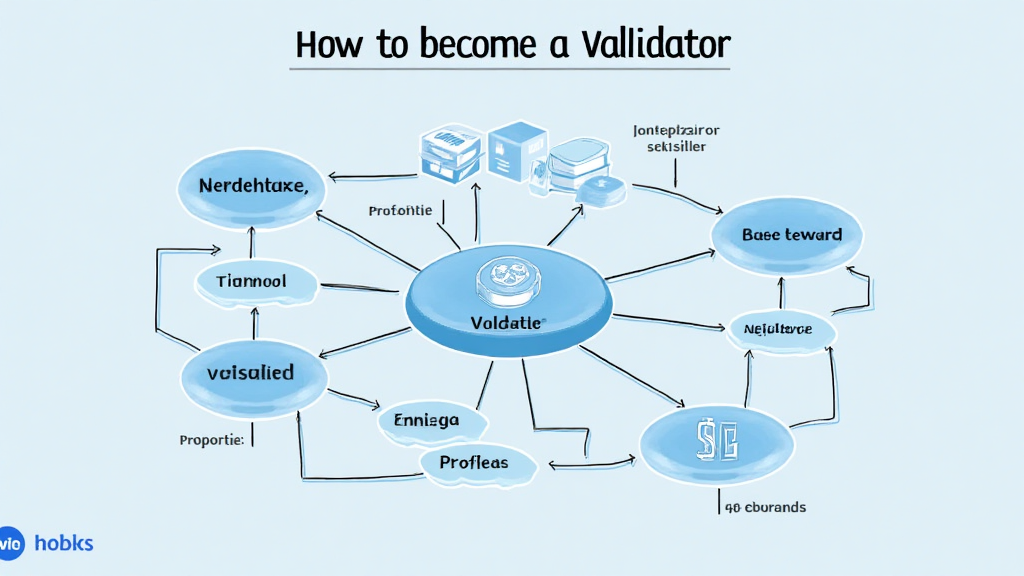
Validators contribute their computational power to validate transactions and propose new blocks. Here’s how it works:
- Staking: Validators must stake a certain amount of cryptocurrency as collateral, which incentivizes them to act honestly.
- Proposal and Voting: Validators propose new blocks and vote on the validity of transactions. Consensus is reached when a certain percentage of validators agree.
- Rewards: In return for their services, validators earn transaction fees and rewards from the network.
Steps to Become a Validator
To become a validator, follow these essential steps:
1. Understand the Requirements
Each blockchain network has different requirements to become a validator. Common prerequisites include:
- Minimum Stake: This is the required amount you must stake to become a validator. For example, Ethereum 2.0 requires 32 ETH.
- Technical Expertise: A basic understanding of blockchain technology, consensus algorithms, and networking is necessary.
- Hardware and Software: You will need a reliable server with a continuous internet connection, along with specific software configurations.
2. Choose a Blockchain Network
When considering which network to validate for, here are factors to consider:
- Market Potential: Choose networks that show promise for growth, such as Ethereum, Cardano, or Solana.
- Community Support: Active networks with vibrant communities often provide better resources and support for new validators.
3. Set Up Your Node
Setting up a validator node involves:
- Choosing the right hardware (e.g., CPU, RAM, storage).
- Installing the necessary software and updates.
- Configuring the node according to the specific network guidelines.
4. Stake Your Cryptocurrency
Once your node is set up, you’ll need to stake your cryptocurrency to become an active validator. This process usually involves transferring your coins to a designated address within the network.
5. Start Validating
Once you’ve completed the above steps, you are ready to start validating transactions. Monitor your node performance and make adjustments as necessary.
The Vietnamese Market Perspective
Vietnam has seen significant growth in cryptocurrency adoption, with a reported 5.1% user growth from 2022 to 2023. This growth presents opportunities for local validators. Moreover, with initiatives like tiêu chuẩn an ninh blockchain gaining traction, the Vietnamese community is positioning itself to be at the forefront of blockchain innovation.
Joining this movement as a validator not only contributes to the security of the network but also helps boost the local economy and empowers users to engage in decentralized finance.
Challenges Faced by Validators
Technical Issues
Strong technical knowledge is critical. Validators often face:
- Network Downtime: This can lead to missed rewards and potential penalties.
- Evolving Protocols: Keeping up with updates and changes can be challenging.
Security Risks
Validators must implement robust security measures, including:
- Multi-signature wallets: This provides an extra layer of security for staked assets.
- Regular Audits: Engaging in smart contract audits can prevent potential vulnerabilities.
Rewards of Being a Validator
Becoming a validator isn’t just about securing the network; it also comes with its rewards:
- Steady Passive Income: Validators earn rewards proportional to their stake, providing a reliable income stream.
- Community Recognition: Active validators often gain recognition and respect within the community.
Conclusion
Understanding how to become a validator is a critical step in participating in the evolving landscape of cryptocurrency. By committing to the responsibilities of a validator, you contribute to the security and integrity of blockchain networks while potentially earning rewards. As markets like Vietnam continue to grow, the demand for reliable validators will only increase.
If you are ready to embark on this journey, remember the importance of continuous learning and adapting to changes within the ecosystem. By doing so, you position yourself for success in the blockchain realm.
For more insights and updates on cryptocurrency, visit techcryptodigest.