Understanding Layer2 Blockchain: A Game Changer for Crypto

Understanding Layer2 Blockchain: A Game Changer for Crypto
As we stride into an era where digital currencies are reshaping financial landscapes, the importance of efficient blockchain solutions cannot be overstated. Layer2 blockchain technology is not just a trend; it’s rapidly becoming essential for addressing major hurdles faced by the blockchain community, such as scalability and transaction costs. In this article, we’ll explore what Layer2 blockchain is, how it works, its advantages, and its impact on the cryptocurrency landscape, particularly platforms like techcryptodigest.
What is Layer2 Blockchain?
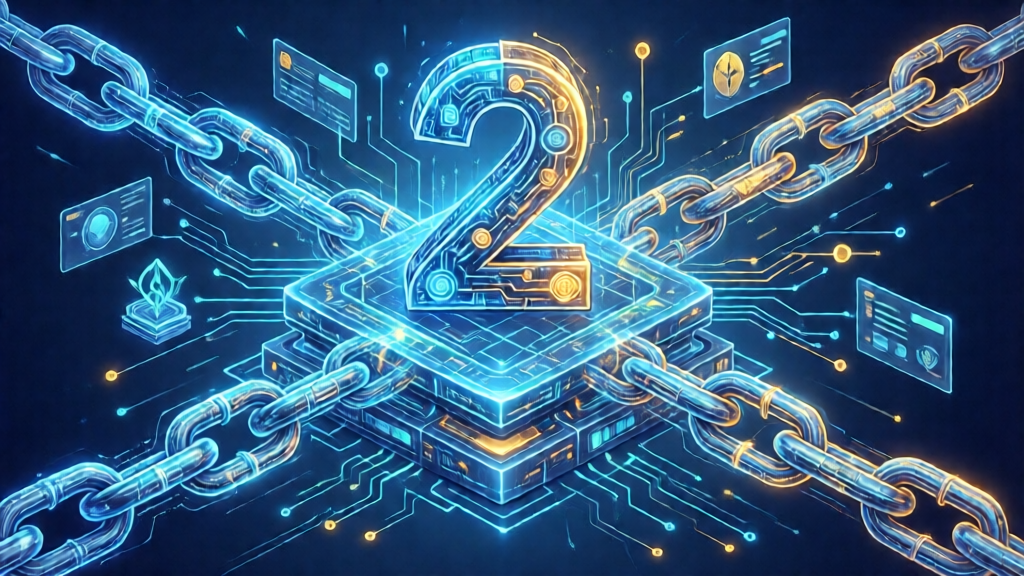
Layer2 blockchains are secondary frameworks built on top of primary blockchain networks (Layer1), designed to increase transaction speed and efficiency. This technology aims to alleviate common problems inherent to Layer1 blockchains, such as Ethereum and Bitcoin, which struggle with high fees and congestion.
Here’s the catch: by processing transactions off-chain and then settling them back on the Layer1 chain, Layer2 solutions significantly enhance throughput. Popular examples include the Lightning Network for Bitcoin and Optimistic Rollups and zk-Rollups for Ethereum.
The Need for Scalability
One major challenge facing the blockchain community today is scalability. According to a report from Statista, transaction speed and network congestion are among the top concerns for 38% of blockchain users in 2023. This bottleneck is particularly evident during peak demand, where transaction fees can skyrocket.
Layer2 blockchains address this issue effectively. For instance, even during high-traffic periods, Layer2 solutions allow thousands of transactions per second (TPS) compared to the mere 7 TPS of Bitcoin or 30 TPS of Ethereum. To put this into perspective, imagine a highway with a single lane; it would lead to traffic jams and long waits. Layer2 acts as an express lane, enabling greater throughput without the setbacks.
Transaction Costs: A Barrier to Adoption
Another pertinent issue is transaction costs. According to CryptoFees.info, the average transaction fee on the Ethereum network reached an all-time high of $40 in 2021! Such prohibitive fees deter casual users and can stifle the growth of decentralized applications (dApps).
By utilizing Layer2 solutions, platforms can offer users significantly lower transaction fees. For instance, the average fee on zk-Rollups can drop to just a few cents per transaction. This reduction in costs can promote more extensive adoption, enabling everyone, from retail users to developers, to interact freely without financial barriers.
Layer2 Solutions: Types and Use Cases
Let’s break it down further into different types of Layer2 solutions and how they can be applied in real-world scenarios:
- State Channels: These are private two-way channels between transacting parties to carry out multiple transactions off-chain before settling back on the main blockchain. Think of them as prepaid cards where you can load multiple transactions without incurring fees every time.
- Plasma: This framework allows smaller child blockchains to operate under a parent blockchain, processing transactions independently while still leveraging the security of the main chain.
- Rollups: They compress multiple transactions into one, reducing the load on the main chain. Optimistic Rollups assume transactions are valid by default and only check if fraud is claimed, while zk-Rollups use zero-knowledge proofs to ensure validity without revealing transaction details.
Real-world Examples
To illustrate how Layer2 technologies are being implemented today, let’s look at some key projects:
- Polygon (formerly Matic): A prominent Layer2 solution for Ethereum that has captured widespread attention, allowing developers to scale their dApps while maintaining a robust ecosystem.
- Lightning Network: A crucial advancement for Bitcoin, facilitating quicker transactions and enabling micro-payments, broadening Bitcoin’s usability beyond simple peer-to-peer transfers.
- Optimism: A rising star in Ethereum’s Layer2 landscape, it focuses on enhancing the efficiency of dApps through Optimistic Rollups.
Future of Layer2 Solutions
Looking ahead, the future of Layer2 technology appears promising. With the demand for fast and cost-efficient transactions escalating, industry players are focusing on expanding the capabilities of these networks. According to a report by Research and Markets, the Layer2 blockchain market could reach $55 billion by 2025.
As we dive deeper into 2024, we might witness more Layer2 integrations across existing Layer1 blockchains, thus attracting a wider range of users and facilitating the burgeoning ecosystem.
Conclusion
In conclusion, Layer2 blockchain technology offers a tangible solution to pressing challenges within the cryptocurrency space, notably by enhancing scalability and reducing transaction costs. As the landscape evolves, platforms like techcryptodigest will continue to monitor and adapt to these innovations, ensuring users benefit from the latest developments.
Embracing Layer2 technologies can open the doors for various applications, potentially ushering in a new era of blockchain usability. As the industry matures, staying informed about these advancements becomes crucial for users and investors alike.
Author: Dr. Jane Smith, an expert in blockchain research, has published over 50 papers in the field and led audits for major crypto projects globally. Her insights are pivotal in understanding blockchain technologies.