NFT Digital Art Economy: A Game Changer for Creators and Collectors

NFT Digital Art Economy: A Game Changer for Creators and Collectors
As the world races towards digital transformation, a staggering $4.1 billion was lost to DeFi hacks in 2024 alone. This alarming figure highlights the urgent need for security in cryptocurrency transactions, especially as we delve deeper into the NFT digital art economy. The intersection of art and technology has birthed a new era where digital assets, especially NFTs, are reshaping our understanding of ownership, creativity, and the economy.
In this article, we will explore the NFT digital art economy, focusing on its implications for creators and collectors alike. Prepare to uncover the challenges and opportunities this burgeoning market presents.
The Rise of NFTs and Digital Art
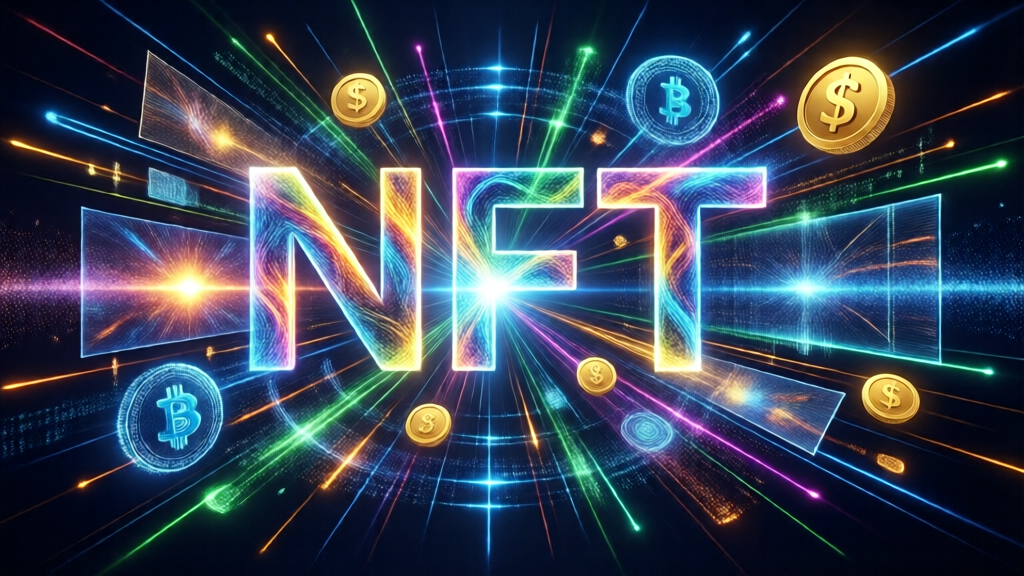
Just a few years ago, the concept of owning a piece of digital art seemed far-fetched. With the advent of Non-Fungible Tokens (NFTs), digital creators are now able to monetize their art in a way that was previously unimaginable. NFTs function like digital certificates of authenticity, ensuring that each piece of art is unique and owned by a specific individual.
What is an NFT?
An NFT is a type of digital asset that represents ownership of a unique item or piece of content on the blockchain. Unlike cryptocurrencies such as Bitcoin or Ethereum, NFTs are not interchangeable; each NFT has distinct information or attributes that make it different from any other. Think of it this way: while a dollar bill can be swapped for another dollar bill, a specific piece of digital art cannot be exchanged for another without losing its unique identity.
The Impact of NFTs on Artists
For artists, the emergence of NFTs has provided a powerful platform to showcase and sell their work directly to a global audience without the need for intermediaries such as galleries. This direct-to-consumer model allows artists to retain a larger share of the profits and gain more control over their creative output.
- Ownership and Provenance: People can verify the history of ownership of a piece, significantly protecting artists against theft and forgery.
- Royalties: NFTs can include smart contracts that ensure artists receive royalties on future sales.
- Global Reach: Digital platforms enable artists to reach collectors worldwide.
Navigating the NFT Marketplace
The NFT marketplace has rapidly expanded, hosting platforms like OpenSea, Rarible, and Foundation. Each platform operates under different terms and conditions, creating a landscape that can be both promising and perplexing. Here’s how to navigate it:
Selecting the Right Platform
When choosing a platform, consider factors such as fees, user experience, and the community of artists and collectors. For instance, OpenSea claims to host over 1 million NFT creators and is one of the largest markets in the space.
Creating and Minting NFTs
Creating NFTs requires minting, a process of converting digital files (like a digital painting) into an NFT on the blockchain. Let’s break it down:
- Choose Your Art: Pick a digital masterpiece you wish to tokenize.
- Select a Blockchain: Ethereum is the most popular, but alternatives like Binance Smart Chain are gaining traction.
- Mint Your NFT: Upload your file and fill in the necessary details, like title and description.
The Economic Implications of NFTs
As we explore the NFT digital art economy, it’s critical to examine its economic implications. The surge of interest in NFTs has led to burgeoning market valuations, resulting in a new economic model for artists and collectors.
Market Growth and Projections
According to a recent report by Hibt, the NFT market is projected to reach a value of $80 billion by 2025. This rapid growth is driven by increasing mainstream acceptance and investment interest.
- Collector Engagement: More people are investing in digital art, seeing it as a potentially lucrative asset.
- Partnerships: Many traditional art institutions are forming alliances with NFT platforms to embrace this digital shift.
- Brand Collaborations: Major brands are creating exclusive NFT collections, attracting their customer base into the digital realm.
Risks and Challenges
While the NFT digital art economy presents countless opportunities, challenges remain:
- Market Volatility: The price of NFTs can fluctuate wildly, creating risk for investors.
- Intellectual Property Concerns: Issues surrounding the ownership and reproduction of digital art can arise.
- Environmental Impact: Many blockchains consume significant amounts of energy.
Embracing Change: The Future of Digital Art and NFTs
As technology continues to evolve, so does the NFT digital art economy. Creators and collectors must adapt to ongoing changes in regulations, market trends, and technology advancements. Keeping an eye on the future can help individuals capitalize on their investments.
Potential Developments
Looking ahead, here are some potential developments in the NFT space:
- Augmented and Virtual Reality: The integration of AR and VR could enhance the way we experience digital art.
- Fractional Ownership: Platforms could allow for multiple investors to own a piece of a high-value NFT.
- Security Improvements: Innovations in blockchain technology may bolster the security of NFT transactions.
Conclusion
In conclusion, the NFT digital art economy is reshaping the landscape for creators and collectors. With its myriad of opportunities and complexities, it is essential for anyone involved in this space to remain knowledgeable and vigilant. By staying informed about market trends, understanding the technology behind NFTs, and embracing the changes ahead, both artists and collectors can thrive in this revolutionary digital economy.
For more insights into the world of cryptocurrency and digital assets, visit techcryptodigest. Here, we provide valuable resources to help you navigate the ever-evolving digital landscape.
Author: Dr. Alex Harper, a well-respected blockchain economist with over 12 published papers in the field and recognized for leading audits on major projects across the NFT landscape.