Decentralized Autonomous Organizations (DAOs) Governance: How the Future of Decision-Making is Being Shaped

Introduction
In 2024, the DeFi ecosystem faced significant challenges, with over $4.1 billion lost to hacks, highlighting the need for robust governance mechanisms in decentralized organizations. As the crypto landscape evolves, Decentralized Autonomous Organizations (DAOs) are emerging as a revolutionary solution to ensure transparent and community-driven governance. This article delves into the principles of DAOs, their governance structures, and how they are reshaping decision-making in the world of cryptocurrencies.
Understanding DAOs
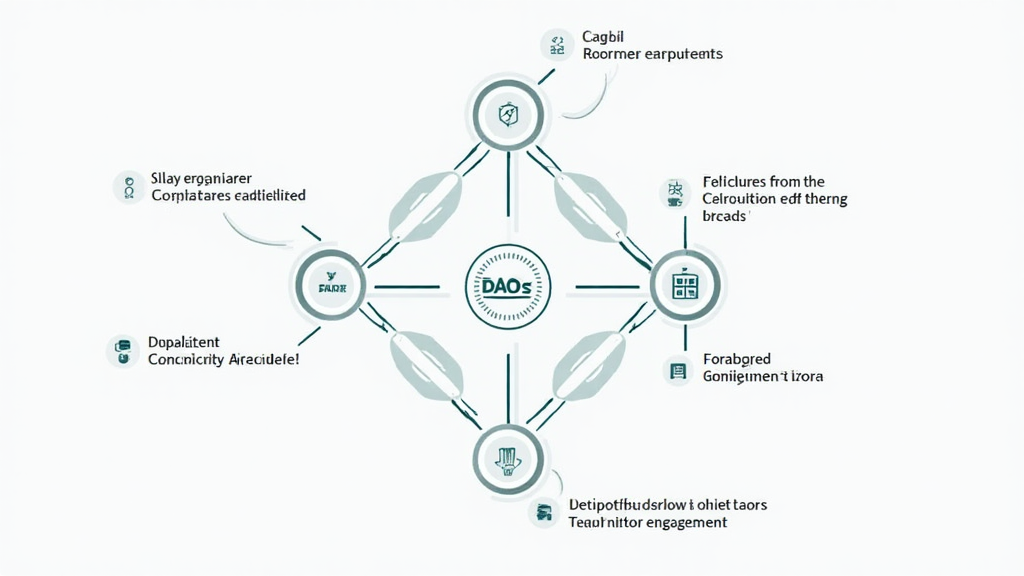
A Decentralized Autonomous Organization (DAO) is a system that enables stakeholder governance through smart contracts on a blockchain. These organizations operate without a centralized authority, ensuring that decisions are made collectively by members. Here’s a breakdown of essential components:
- Smart Contracts: These are self-executing contracts with the terms of the agreement directly written into code.
- Token Governance: Members hold tokens that represent voting power and influence decisions.
- Transparency: All processes and transactions are recorded on a public ledger, promoting accountability.
The Governance Framework of DAOs
When it comes to governance in DAOs, several frameworks emerge, each with its unique approach:
- Direct Democracy: All members vote on every issue, ensuring full participation.
- Representative Governance: Members elect representatives to make decisions on their behalf.
- Hybrid Models: A combination of direct and representative approaches to ensure better scalability and efficiency.
In Vietnam, there has been a notable increase in user engagement with DAOs, reflecting a 75% growth in participants compared to 2023. This surge indicates a growing interest in decentralized governance, particularly in emerging markets.
Challenges in DAO Governance
DAO governance is not without its hurdles. Here are some significant challenges:
- Security Risks: Vulnerabilities in smart contracts can lead to significant losses, such as what occurred with the DAO hack in 2016.
- Voter Apathy: Low participation rates can skew results, often leading to decisions that do not reflect the will of the majority.
- Centralization of Power: Wealthy members can exert disproportionate influence, undermining the democratic process.
Like a bank vault for digital assets, the security of smart contracts must be a priority for DAOs to thrive. Ensuring robust auditing procedures can dramatically reduce vulnerabilities. For example, using tools like Hibt can enhance the integrity of the smart contracts employed by DAOs.
Future Trends in DAO Governance
The landscape of DAOs is ever-changing, with several trends likely to reshape governance in the coming years:
- Regulatory Considerations: As governments increasingly scrutinize cryptocurrencies, DAOs will need to adapt to comply with regulations while maintaining their decentralized ethos.
- Integration with DeFi: DAOs will continue to integrate with DeFi protocols, enabling innovative financial services governed by community consensus.
- Enhanced User Experience: Improved interfaces and tools will facilitate participation, making it easier for users to engage with governance processes.
According to recent studies, the potential for DAOs to impact traditional governance structures is sizable, with predictions indicating that by 2025, over 30% of decentralized projects could adopt DAO principles.
How to Audit Smart Contracts for DAOs
Auditing smart contracts is crucial for maintaining the integrity of DAO governance. Here are several steps to follow:
- Code Review: Manual inspection of the code for logical errors and vulnerabilities.
- Automated Testing: Utilize automated tools to identify potential vulnerabilities.
- Third-Party Audit: Engage professional auditors for an objective evaluation.
This process is vital, especially given that successful audits can significantly reduce security flaws, enhancing the trust in DAOs even further.
Conclusion
As we move deeper into the complexities of blockchain technology and governance structures, DAOs are set to play a central role in how decisions are made. Keeping abreast of the evolution of DAO governance is essential for anyone involved in the crypto space. The impact they have on decentralization, user engagement, and market dynamics cannot be overstated. With the right tools, knowledge, and community involvement, DAOs can revolutionize how we think about governance in the digital age.
Ultimately, with organizations like TechCryptoDigest leading the discussion, the future of decentralized governance looks promising. Let’s embrace these changes together and explore the opportunities DAOs bring to our digital landscape.