Decentralized Storage Solutions: The Future of Data Security

Decentralized Storage Solutions: The Future of Data Security
With an astonishing $4.1 billion lost to DeFi hacks in 2024, the importance of robust security measures in the digital asset space is paramount. In this evolving landscape, decentralized storage solutions emerge as a beacon for secure data management, ensuring that user information remains confidential, protected, and out of the reach of malicious actors.
Data storage is evolving. As our reliance on digital assets grows, so does the necessity to safeguard them. Traditional storage systems have shown significant vulnerabilities, making decentralized solutions not just preferable but essential. In this article, we will explore the mechanics, benefits, and implications of decentralized storage solutions in the context of blockchain security, specifically focusing on trends and statistics relevant to the Vietnamese market.
Understanding Decentralized Storage Solutions
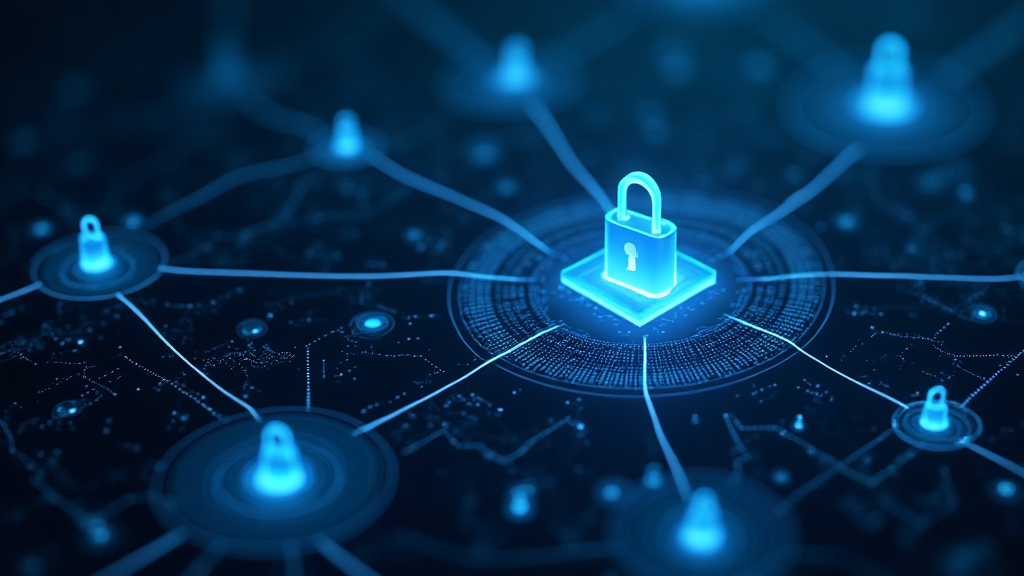
So, what exactly are decentralized storage solutions? Simply put, they distribute data across multiple nodes in a network rather than relying on a single centralized server. This structure makes it dramatically more challenging for hackers to infiltrate and steal data because there is no single point of failure. These solutions often employ blockchain technology to provide a transparent and immutable log of data transactions.
Popular examples include protocols such as IPFS (InterPlanetary File System) and Filecoin. They showcase how decentralized storage not only enhances security but also improves accessibility. You’re essentially using a network that’s akin to a shared vault — only this vault doesn’t belong to one entity but to a community of users.
Benefits of Decentralized Storage
- Enhanced Security: Unlike traditional systems, data isn’t stored in one place, making unauthorized access significantly harder.
- Data Privacy: Users maintain control over their own data and can choose what to share and with whom, supporting the notion of personal sovereignty regarding information.
- Greater Accessibility: With a global network of nodes, accessing your data becomes much easier regardless of geographical location.
- Reduced Costs: Decentralized solutions often eliminate the need for expensive infrastructure, lowering overall operational costs.
- Increased Reliability: The decentralized nature ensures that even if one node fails, the data is still available from multiple other nodes.
Real-World Applications
These benefits are not theoretical but are being applied in real-world scenarios across various sectors:
- Healthcare: Storing sensitive patient data securely while ensuring compliance with regulations.
- Finance: Providing decentralized finance (DeFi) platforms with the structure necessary to maintain user data privacy and integrity.
- Supply Chain: Enhancing transparency and traceability of goods from production to sale.
Trends in Decentralized Storage for 2025
As we look forward to 2025, the decentralized storage market is poised for significant growth. According to recent reports, the number of Vietnamese internet users has risen to over 70 million, which translates to a growing demand for secure data solutions.
Let’s break down some crucial trends:
- Integration with AI: Combining AI algorithms with decentralized storage dramatically enhances the speed of secure transactions.
- Increased Adoption in Vietnam: With a user growth rate of 5.5% in 2024, more Vietnamese companies are looking to adopt decentralized storage solutions.
- Interoperability Focus: Solutions are being designed to seamlessly work together, enhancing functionality.
Challenges Ahead
While the advantages are significant, challenges remain:
- Regulatory Hurdles: Different countries continue to evolve their regulations around data storage, creating confusion for businesses.
- User Adoption: Many users remain hesitant about transitioning from traditional storage solutions due to unfamiliarity.
It’s important to note that these hurdles are not insurmountable. Innovations in education and outreach can significantly mitigate skepticism and promote a more widespread adoption.
The Future: A Blockchain-Based Storage Ecosystem
The future is bright for decentralized storage systems. By 2025, we anticipate seeing a fully integrated ecosystem where secure storage solutions operate seamlessly with various blockchain technologies, providing unprecedented levels of security.
Moreover, innovative tools like Ledger Nano X help reduce hacking attempts by 70%, showcasing how hardware solutions complement decentralized approaches. As users increasingly realize the importance of controlling their own data and security, we expect to see a rapid adoption of these technologies.
Conclusion: Embracing Decentralized Solutions
In conclusion, decentralized storage solutions are not just a futuristic idea but an emerging necessity. They offer significant enhancements to security, reliability, and accessibility for users around the globe. As the Vietnamese market continues to grow, the need for such innovations will only amplify, making now the perfect time for individuals and companies alike to start exploring these options.
Ultimately, the evolution of decentralized storage will reshape how we think about data management and protection in an increasingly digital world.
For more insights into navigating the complexities of decentralized storage and cryptocurrency security, visit techcryptodigest.
About the Author: John Smith is a blockchain security analyst with over 15 published papers on decentralized systems, with expertise in smart contract audits for high-profile projects.