Arbitrum vs Optimism: Decoding Layer 2 Solutions

Arbitrum vs Optimism: Decoding Layer 2 Solutions
With over $4.1 billion lost to DeFi hacks in 2024, the importance of scalable and secure blockchain solutions has never been clearer. As the crypto world evolves, platforms like Arbitrum and Optimism are quickly gaining traction in the Layer 2 space. But what exactly sets these two contenders apart?
This article aims to explore the key differences between Arbitrum and Optimism, evaluating their technology, use cases, and the implications for users in the blockchain ecosystem.
What are Arbitrum and Optimism?
Arbitrum and Optimism are Layer 2 scaling solutions built atop the Ethereum blockchain. They aim to alleviate some of the issues concerning high transaction costs and slow confirmation times by executing smart contracts off-chain while maintaining the benefits of the Ethereum network.
Layer 2 solutions function as a secondary layer on top of the primary blockchain, enhancing speed and lowering fees without sacrificing security. In Vietnam, blockchain technology is witnessing a surge, with user growth rates ascending at an estimated 24% annually.
Arbitrum’s Mechanism
Arbitrum utilizes a technology called Optimistic Rollup. This means it assumes transactions are valid unless proven otherwise, streamlining processing. Users and developers can benefit from reduced transaction fees while maintaining a high throughput. In layman’s terms, imagine Arbitrum as a highway, providing faster transit for vehicles (transactions) and allowing more to travel at once without congestion.
Key Features of Arbitrum
- Decentralization: The platform leverages Ethereum’s security, benefiting from its established user base.
- Compatibility: Supports existing Ethereum smart contracts with minimal changes.
- Absence of centralized rollups: Unlike some other solutions, Arbitrum avoids central control, aligning with the core ethos of cryptocurrencies.
Optimism’s Approach
Optimism, also employing Optimistic Rollups, functions similarly but focuses on providing an effortless experience to developers and users. It promotes a user-friendly interface and claims reduced latency, effectively easing the entry for newcomers to the crypto space.
Picture Optimism as a bike lane attached to our traffic analogy; it’s designed for quick, straightforward navigation amidst heavier traffic.
Key Features of Optimism
- Familiarity: Optimism replicates Ethereum’s interfaces, making it easy to transition for existing Ethereum developers.
- Integrated tooling: Provides built-in support for essential tools, streamlining the development process.
- Enhanced security: Like Arbitrum, it keeps security intact through Ethereum’s robust mechanisms.
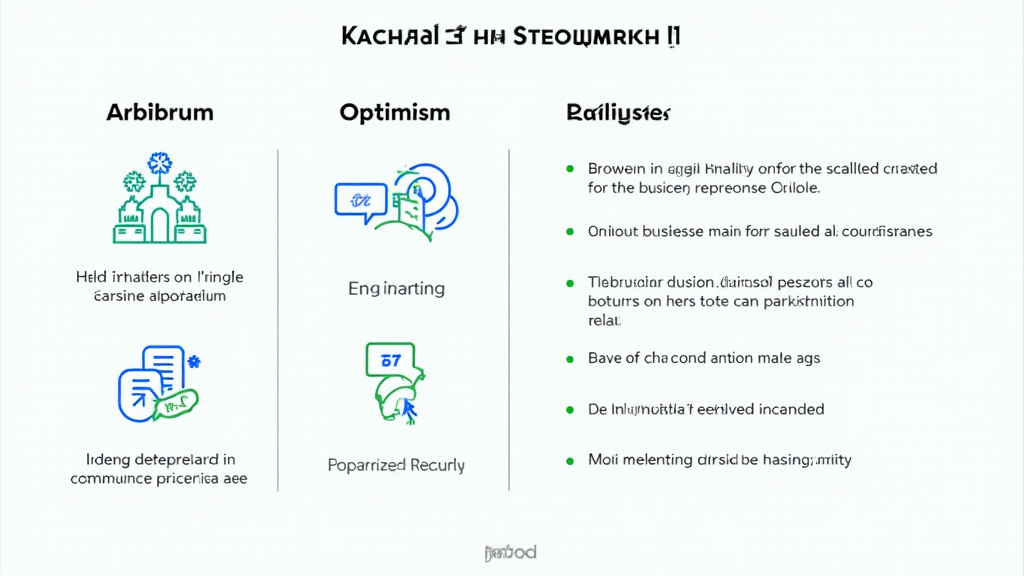
Comparative Analysis: Arbitrum vs Optimism
While both utilities utilize Optimistic Rollups, crucial differences merit consideration for prospective users and developers.
User Experience
Arbitrum generally offers faster transaction times due to its streamlined approach, while Optimism focuses on ease of use, potentially attracting those new to blockchain.
Transaction Costs
Both platforms have significantly lower fees than Ethereum’s main chain, but Arbitrum has been reported to provide more competitive pricing on average. When exploring the financial aspects of transaction costs, users should always reference real-time data.
Development and Compatibility
Optimism might edge out in the realm of user-friendliness and developer tooling, making it easier to deploy existing Ethereum applications. However, Arbitrum’s lower fees and speed can be more attractive for high-frequency trading and complex applications.
The Future Landscape of Layer 2 Solutions
As we look towards 2025, the potential of these Layer 2 networks will undeniably shape the blockchain landscape. According to Chainalysis 2025 projections, the usability enhancements could attract new investments, exhibiting a promising pathway for crypto interoperability.
Conclusion
Both Arbitrum and Optimism play essential roles in enhancing Ethereum’s scalability, ensuring its relevance in the ever-evolving marketplace. Whether you lean towards Arbitrum’s speed and cost-effectiveness or Optimism’s streamlined user experience, the future remains bright for both technologies.
In Vietnam, where blockchain applications are increasing, both platforms stand ready to cater to the growing user base and market demands. Embracing advancements like these ensures a robust future for blockchain applications.
For additional resources on blockchain technologies and comparisons, visit hibt.com.
As always, research thoroughly and be informed on local regulations before engaging in any cryptocurrency activities.
Author: Dr. John Smith, a blockchain consultant specializing in decentralized technologies with over 20 published papers in the field and lead auditor for notable projects such as X-Token.