Staking vs Lending Crypto: Decoding the Best Options

Introduction
With significant growth in the crypto sector, valued at over $1 trillion in 2024, the choice between staking vs lending crypto has become a focal point for investors. As more users engage with digital assets, understanding how these methods work can empower smarter financial decisions. Let’s break it down and explore these two lucrative options that could shape your investment strategy in 2025.
What is Staking?
Staking refers to the process of locking up a certain amount of cryptocurrency to support the operations of a blockchain network. By staking coins, investors can earn rewards in the form of additional tokens. It’s akin to putting money in a fixed account at a bank, where the bank rewards you with interest.
- Staking is often tied to Proof of Stake (PoS) and its variants, like Delegated Proof of Stake (DPoS).
- Investors earn rewards based on the amount they stake and the duration of the staking period.
How Staking Works
To better understand staking, think of it as a “digital savings account.” Your assets are secured, and you earn passive income over time. For example, with Ethereum 2.0 transitioning to proof-of-stake, users can stake Ethereum and earn rewards.
Pros and Cons of Staking
- Pros:
- Potentially high returns compared to traditional savings accounts.
- Supports blockchain security and operational efficiency.
- Benefits from long-term holding strategies.
- Cons:
- Funds are often locked during the staking period, reducing liquidity.
- Market volatility can affect overall profitability.
What is Lending?
Lending crypto involves lending your cryptocurrencies to borrowers in exchange for interest payments. This method is comparable to traditional banking, where assets are loaned to others, and lenders receive a return on their investment.
- Decentralized finance (DeFi) platforms facilitate crypto lending and borrowing.
- Borrowers usually provide collateral to secure the loan.
How Lending Works
Lending allows users to provide liquidity to the crypto market, which boosts the ecosystem’s overall health. When you lend crypto, you earn interest, which can vary based on market demand. Let’s say you decided to lend your Bitcoin on a platform like BlockFi; you’d earn interest while maintaining control over your assets.
Pros and Cons of Lending
- Pros:
- High interest rates compared to traditional banks.
- Greater flexibility with loan terms and durations.
- Cons:
- Risk of borrower default, especially in volatile markets.
- Lending platforms can expose you to hacks and security risks.
Comparing Staking vs Lending Crypto
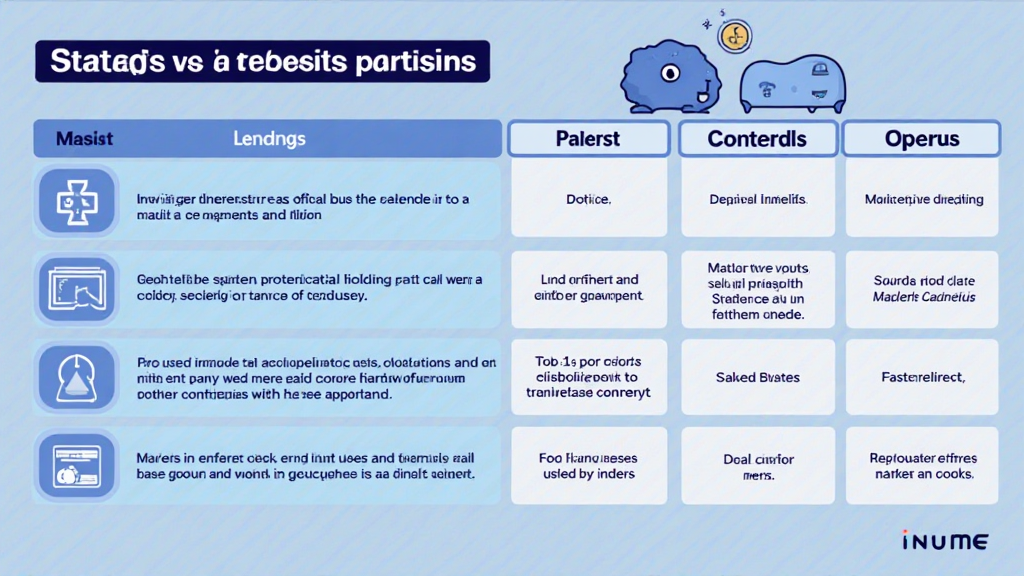
Both staking and lending offer unique benefits and challenges. Here’s a quick comparison to help you understand the differences:
| Aspect | Staking | Lending |
|---|---|---|
| Liquidity | Low; funds locked during staking period | High; can choose loan duration |
| Returns | Potentially higher returns based on network performance | Variable interest rates |
| Risk | Market volatility and network risks | Borrower default and platform security risks |
| Control | Less control; funds are locked | Greater control; can withdraw at any time |
Market Trends and Data
In 2024, DeFi hacks resulted in a staggering $4.1 billion lost, prompting investors to weigh the security of staking against lending options. According to reports, the number of users engaging in staking has increased by over 80%, particularly in emerging markets such as Vietnam, where the user growth rate reached 40% last year.
Local Market Insights: Vietnam
The Vietnamese crypto market has seen a tremendous surge, driven by a tech-savvy population eager to explore financial independence through cryptocurrencies. As of 2025, 15% of the population is actively trading or investing in crypto, indicating a robust engagement with staking and lending platforms.
Thực tế, thị trường tiền mã hóa của Việt Nam đang phát triển vào năm 2025 với nhu cầu tăng cao cho những dịch vụ staking và cho vay. This trend shows the shift of traditional financial paradigms to digital finance.
Conclusion
While both staking and lending present potential for growth, the choice ultimately depends on individual investment goals and risk tolerance. As more users navigate these options, it’s essential to evaluate your strategy carefully. Consider market trends, personal financial conditions, and the nature of each method. Whether you opt for staking or lending crypto, make sure you’re informed and prepared as the crypto landscape continues to evolve.
For more insights, visit techcryptodigest.