Cold Wallet vs Hot Wallet Comparison: Understanding Your Cryptocurrency Security Options

Cold Wallet vs Hot Wallet Comparison: Understanding Your Cryptocurrency Security Options
Understanding the difference between cold wallets and hot wallets is crucial for any cryptocurrency investor. With reports indicating that over $4.1 billion was lost to DeFi hacks in 2024, proper asset security has never been more essential. Whether you’re just getting started or have extensive experience in the blockchain space, knowing how to best secure your investments is paramount.
What Are Cold Wallets?
Cold wallets are offline storage options for cryptocurrencies, analogous to storing cash in a safe at home. These wallets don’t connect to the internet, providing a significant layer of security against hacking attempts. Various types of cold wallets include:
- Hardware Wallets: Devices like the Trezor and Ledger Nano X can store multiple cryptocurrencies securely.
- Paper Wallets: A printed document containing your public and private keys.
- USB Drives: Specialized USB devices can also function as cold wallets.
Given the ongoing risks associated with online wallets, cold wallets represent a solid option for users with significant holdings.
The Case for Hot Wallets
In contrast, hot wallets are connected to the internet. They are ideal for users who trade frequently or require quick access to their funds. While they offer convenience, this connectivity makes them more susceptible to cyber attacks.
- Web Wallets: Offered by exchanges like Binance or Coinbase, often easy to use.
- Mobile Wallets: Apps on smartphones that provide quick access and easy transactions.
- Desktop Wallets: Software installed on personal computers that offer control over private keys.
For everyday use, hot wallets can be incredibly efficient, particularly for those seeking a more active investment approach.
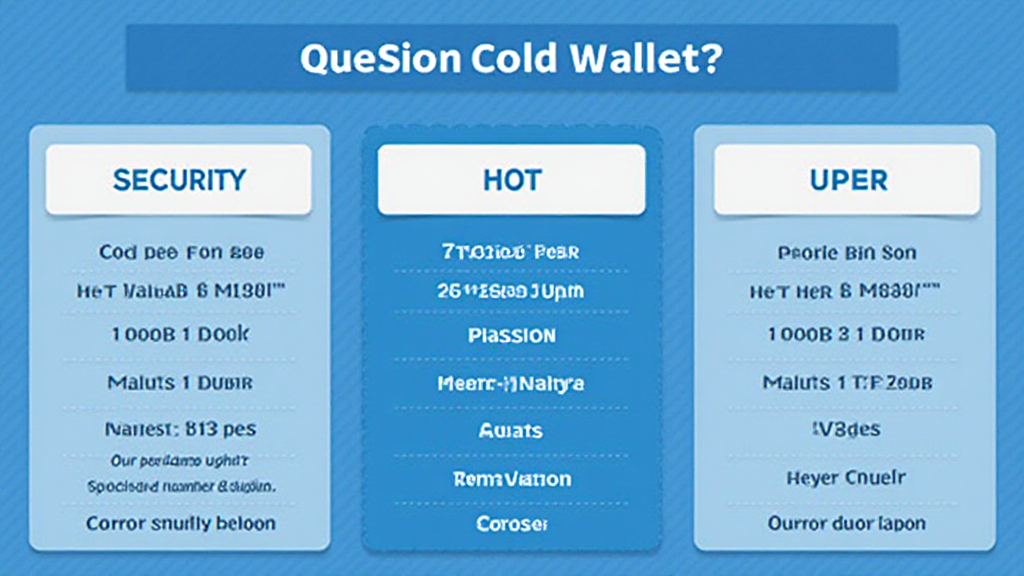
Cold Wallet vs Hot Wallet Comparison
When deciding between cold and hot wallets, several factors come into play, including security, accessibility, and potential usage. Here’s a side-by-side comparison:
| Feature | Cold Wallets | Hot Wallets |
|---|---|---|
| Security | High | Medium |
| Accessibility | Low | High |
| Ease of Use | Moderate | High |
| Cost | Higher (for hardware) | Lower (typically free) |
Real-World Scenarios: Choosing the Right Wallet
Depending on your investment strategy and daily needs, there might be a perfect fit for your situation. For instance:
- If you are a long-term investor holding significant assets, using a cold wallet is like placing your assets in a bank vault, protecting them from theft.
- If you’re a day trader, you might opt for a hot wallet for quicker transactions while still maintaining a portion of your assets in a cold wallet for security.
The Evolution of Wallet Technology in 2025
With rapid innovations in blockchain technology, both hot and cold wallets are evolving. For instance, increased security features like biometric authentication are being introduced in mobile wallets. Moreover, data from Vietnam’s growing cryptocurrency market shows a **user growth rate of 300% since 2022**, highlighting the need for better user education in wallet security.
Recommendations for Wallet Users
Regardless of where you stand on the cold wallet vs hot wallet debate, you can assure better security through best practices:
- Always enable two-factor authentication (2FA) on hot wallets.
- Regularly update wallet firmware and software to fend off potential threats.
- Never share your private keys with anyone.
- Consider diversifying your holdings between cold and hot wallets.
Conclusion: The Right Balance for You
Ultimately, the choice between a cold wallet and a hot wallet should reflect your individual needs, investment strategy, and security preferences. By understanding the nuances and leveraging each type’s benefits, you can better protect your cryptocurrency assets in 2025 and beyond.
Remember, successful digital asset management isn’t just about choosing a wallet; it’s about creating a robust security strategy. Always stay informed about the latest trends, tools, and potential risks in the cryptocurrency landscape.
For more insights and best practices on managing your cryptocurrency investments, visit techcryptodigest.
Author: John Doe, a cybersecurity expert with over 15 published papers on blockchain security, has led audits for prominent crypto projects including Ethereum and Bitfinex.