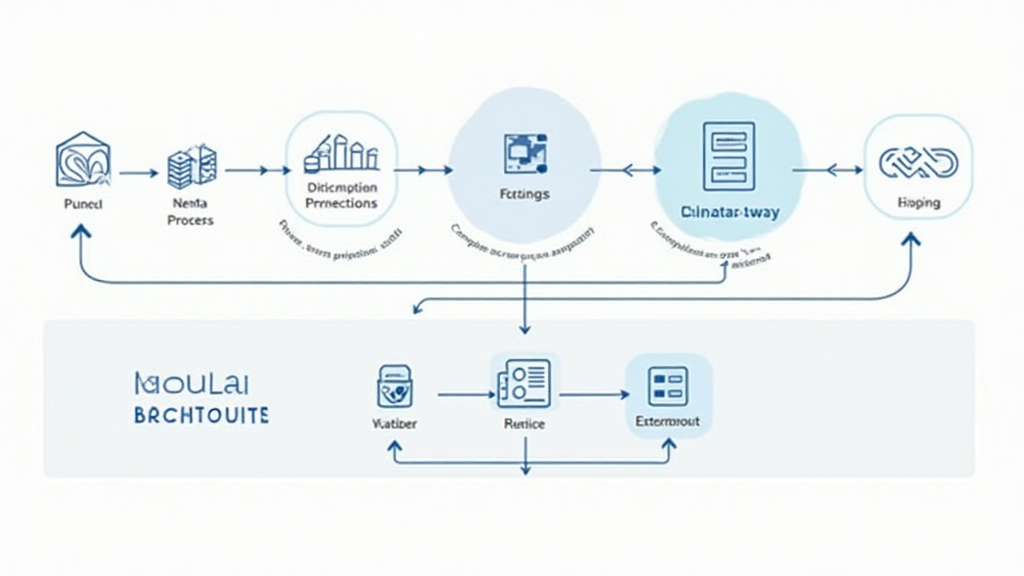
Modular Blockchain Architecture Explained

Introduction
In 2024, the blockchain space witnessed losses exceeding $4.1 billion due to DeFi hacks, highlighting a critical need for robust security measures and innovative solutions in blockchain architecture. One such development is modular blockchain architecture, which aims to enhance scalability, flexibility, and security. This article will break down the concept of modular blockchain architecture, its importance, challenges, and how it can revolutionize the cryptocurrency ecosystem.
Understanding Modular Blockchain Architecture
Modular blockchain architecture is a framework that separates different functions and roles in blockchain operations into distinct, manageable layers. This approach contrasts with traditional monolithic blockchain systems that bundle all functionalities into a single chain. By dividing responsibilities among modules, modular architecture enhances the adaptability and growth potential of blockchain networks.
For instance, imagine a bank’s vault for digital assets: each component serves a unique purpose, allowing for more efficient overall management. With modular blockchain architecture:
- Consensus Mechanisms: These can be tailored to specific needs, enhancing processing efficiency.
- Data Availability Layers: Guarantee that data is accessible without overburdening the primary blockchain.
- Execution Environments: Offer multiple environments for diverse smart contract operations.
Benefits of Modular Blockchain Architecture
1. **Scalability**: Modular architecture allows blockchains to scale more efficiently by using generalized layers that can handle varying workloads.
2. **Flexibility**: As user demands change, different modules can be redesigned or upgraded independently of the main system.
3. **Enhanced Security**: Isolating specific functionalities can mitigate risks, as vulnerabilities in one module do not compromise the entire system.
4. **Interoperability**: Different modules can communicate, making it easier to connect various blockchain solutions.
Case Studies and Real-World Applications
Several networks are currently experimenting with or adopting modular blockchain architecture:
- Ethereum 2.0: With its sharding plan, Ethereum aims to enhance scalability through modular processing.
- Celestia: This platform exemplifies separating consensus and data availability from execution, potentially revolutionizing DeFi applications.
- Polkadot: Offers a multi-chain architecture, where individual chains can operate while sharing security features.
Challenges and Considerations
While the potential of modular blockchain architecture is immense, several challenges must be considered:
- Complexity: Designing and managing multiple modules can increase overall system complexity.
- Security Concerns: Each layer introduces additional points of failure that must be secured.
- Standardization Issues: There is a need for industry standards to ensure compatibility among different modules.
Comparative Analysis: Modular vs. Monolithic Architectures
To better understand the merits of modular blockchain architectures, it’s essential to compare them with traditional monolithic architectures:
| Feature | Modular Architecture | Monolithic Architecture |
|---|---|---|
| Scalability | High due to separate layers | Limited; scaling affects entire system |
| Flexibility | Flexible | Rigid |
| Security | Layer-specific security | Single point of failure |
| Interoperability | High, encourages integration | Low |
Potential Future Trends in Modular Architecture
As more blockchain projects adopt modular architectures, several trends are emerging:
- Expansion into new sectors: Expectations are for modular architectures to expand beyond finance, impacting industries like supply chain management and healthcare.
- Integration with AI and IoT: Potential for enhanced operational efficiencies.
- Improved Governance Models: Evolving practices in decentralized governance can address modular complexities.
Moreover, as the Vietnamese market witnesses significant growth in the cryptocurrency sector—with user rates climbing approximately 30% annually—it’s crucial for local projects to consider these modular designs for long-term viability and security. The implementation of tiêu chuẩn an ninh blockchain can further cement trust among users and stakeholders alike.
Next Steps for Developers and Investors
If you’re a developer or an investor in the crypto space, understanding modular blockchain architecture can be a game-changer. Here are some actionable steps:
- Engage with communities focused on modular designs—learning from real-world implementations.
- Participate in workshops and conferences that showcase the latest advancements in modular architecture.
- Consider investing in projects that prioritize modular designs to ensure sustainable growth and security.
Conclusion
Modular blockchain architecture represents a paradigm shift in how blockchain networks can be structured, allowing for more secure, scalable, and adaptable solutions. As we navigate through 2025, understanding these frameworks will be essential for leveraging the benefits they offer while addressing the challenges they present. In a rapidly evolving industry, staying informed and prepared is key to seizing opportunities. The landscape of blockchain technology is ripe for innovation, and modular architecture may well lead the charge in shaping the future of digital assets.
For up-to-date insights on cryptocurrency trends and modular blockchain, visit techcryptodigest.