NFT Metadata Compression: Redefining Digital Ownership

NFT Metadata Compression: Redefining Digital Ownership
In the rapidly evolving world of blockchain technology, the concept of NFT metadata compression is gaining traction. With a staggering $4.1 billion lost to hacks in decentralized finance (DeFi) in 2023, the push for secure and efficient data handling has never been more critical. NFT metadata, which provides essential information about digital assets, can become bloated and unwieldy, potentially exposing them to risks.
The real question among developers, collectors, and investors is: How can we optimize NFT metadata to ensure both security and efficiency? This article delves into the evolving landscape of NFT metadata compression, its implications for digital ownership, and how it can secure your assets in the blockchain realm.
Understanding NFT Metadata
NFTs, or non-fungible tokens, leverage blockchain technology to create unique digital assets that can’t be replicated. The metadata associated with these tokens contains crucial information such as the asset’s name, description, creator, and ownership details. This metadata is often stored off-chain, meaning that while the NFT itself resides on the blockchain, the details about it may be on centralized servers or distributed databases.
Example: Consider an NFT representing digital art, like the popular Beeple piece. The NFT links to an image file and stores data about the artist along with the sale history. However, as more attributes and features are added, this metadata can balloon significantly.
The Need for Compression
The increasing size of NFT metadata can lead to several challenges:
- Storage Costs: Larger metadata translates to higher storage costs, especially when many NFTs are involved.
- Performance Issues: Accessing and retrieving large datasets can slow down user interactions.
- Security Risks: Lengthy and complex metadata not only defeats the purpose of decentralization but also increases surface areas for potential attacks.
As seen in the Vietnamese market, with a growth rate of over 50% in active blockchain users in 2023, the demand for efficient and secure methods to handle NFTs is critical as the ecosystem expands.
The Benefits of NFT Metadata Compression
Compressing NFT metadata offers several advantages:
- Improved Efficiency: By squeezing unnecessary data, metadata compression allows for faster processing and retrieval.
- Cost Reduction: Smaller storage requirements can significantly lessen operational costs, making NFTs more accessible.
- Enhanced Security: Minimizing metadata can reduce the risks of exposure while enabling better user anonymity.
How Compression Works
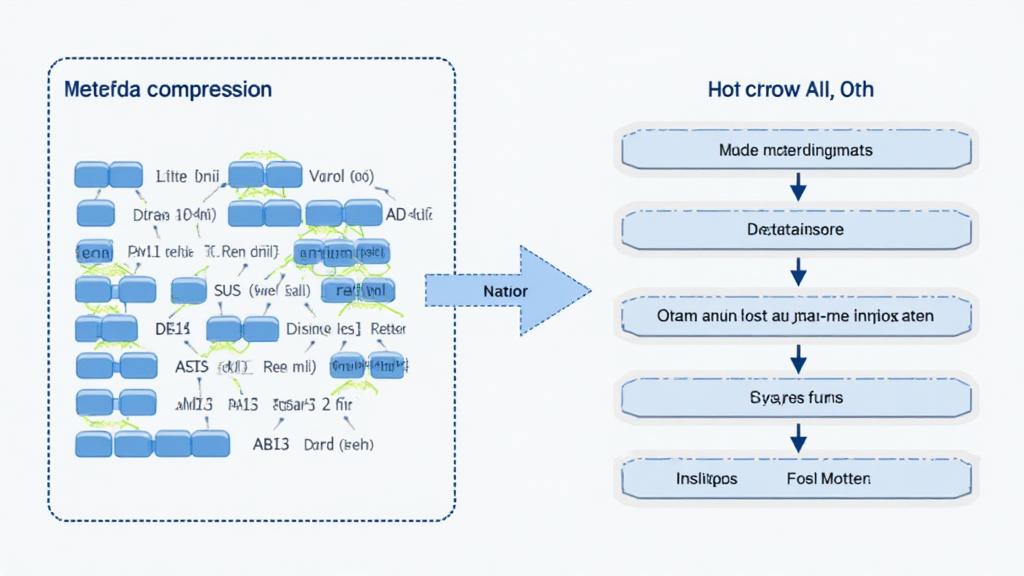
NFT metadata compression typically employs algorithms to minimize the size of the datasets. Techniques can include:
- Lossless Compression: This method preserves all original data while reducing file size, ensuring no information is lost.
- Semantic Compression: By using context-aware approaches, unnecessary elements can be omitted, focusing only on essential details.
- Off-chain Storage Solutions: Utilizing decentralized storage solutions like IPFS (InterPlanetary File System) can help in hosting compressed metadata securely.
Real-World Applications and Innovations
The integration of NFT metadata compression is already being explored by various innovative platforms:
- Art Galleries: Digital art platforms are adopting compressed metadata to streamline user experiences, making it easier for buyers to navigate and purchase NFTs.
- Gaming: In the gaming industry, compressed metadata ensures that asset data loads quickly, improving gameplay and reducing lag.
- Virtual Real Estate: Real estate NFTs can leverage metadata compression to provide concise and relevant property details, making transactions more straightforward.
Challenges Ahead
Despite its promise, NFT metadata compression poses certain challenges:
- Balancing compression ratios and data integrity can be tricky.
- Adoption across platforms requires standardization to ensure compatibility.
- Educating stakeholders on the importance and implementation of metadata compression remains a hurdle.
Case Study: A Successful Implementation
CryptoKitties, one of the first popular NFT projects, faced challenges due to expansive metadata. By applying compression techniques, they managed to enhance user experience by optimizing load times and storage costs. This success story showcases how other platforms can follow suit to maximize potential.
Future Trends in NFT Metadata Compression
As the NFT landscape continues to evolve, we can expect:
- Emergence of Best Practices: Communities will likely develop guidelines and standards for compressed metadata to ensure interoperability across projects.
- Integration with AI: Utilizing AI to automate metadata compression could become mainstream, streamlining processes significantly.
- Enhanced User Experience: As platforms adopt these techniques, users will notice faster interactions and more fluid experiences.
As the Vietnamese market swiftly moves towards broader NFT adoption, understanding and implementing NFT metadata compression can play a pivotal role in ensuring security and efficiency.
Conclusion
NFT metadata compression stands at the forefront of improving how we manage digital assets. By enhancing efficiency and reducing risks, it is set to redefine not only the economic landscape of NFTs but also the technological frameworks supporting them. For anyone involved in the NFT ecosystem, staying informed about these changes is essential for success.
As we explore deeper into the world of blockchain technology, remember that applying the right techniques can safeguard your assets and ensure a seamless experience. To stay updated with the latest in blockchain innovations and trends, consider visiting techcryptodigest.