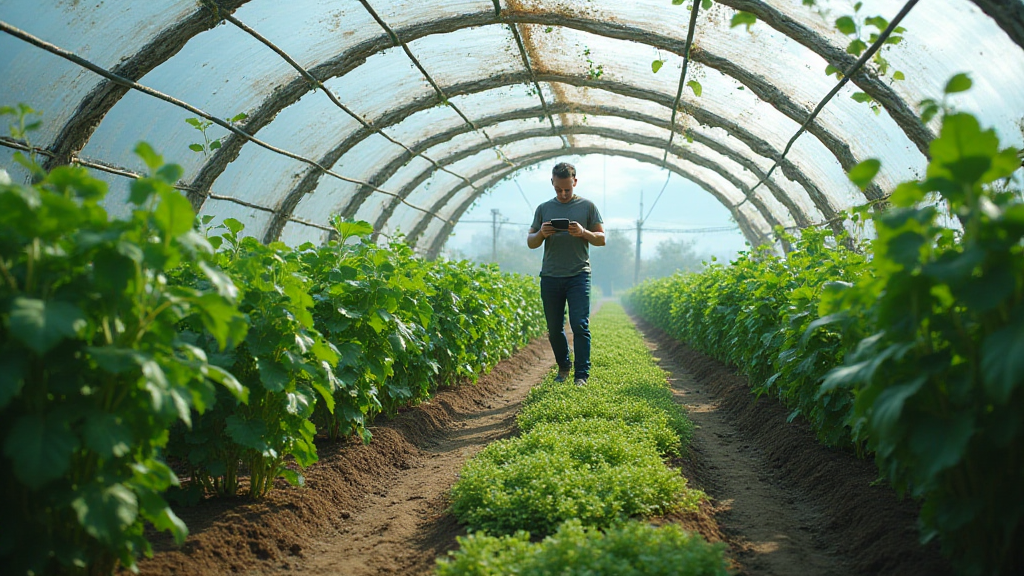
Investing in Vietnam’s Agricultural Blockchain: Future Prospects

Introduction
In recent years, Vietnam has emerged as a key player in the global agricultural sector. With a market valued at approximately $43 billion in 2022, Vietnam’s agriculture shows promising growth potential. However, despite this rapid growth, farmers and investors face significant challenges, such as supply chain inefficiencies and lack of transparency.
What if there were a way to enhance transparency and efficiency while tapping into emerging technologies? Enter blockchain, a technology revolutionizing various industries, including agriculture. With investments in blockchain solutions for agriculture projected to reach $1.5 billion by 2025, the interest surrounding Vietnam agriculture blockchain investment is soaring.
This article explores the synergy between blockchain technology and Vietnam’s agricultural investment landscape. We will delve into its benefits, success stories, challenges, and future prospects.
Understanding Blockchain Technology in Agriculture
Blockchain technology is essentially a decentralized ledger that records transactions across multiple computers. Unlike traditional databases, blockchain offers improved security features due to its cryptographic foundations. This approach ensures data integrity that is particularly beneficial in agricultural supply chains.
In the context of farming, blockchain can help to:
- Enhance traceability of agricultural products.
- Improve supply chain transparency and efficiency.
- Streamline transaction processes.
This can help farmers gain better access to markets and reduce fraud, ultimately increasing profitability.
The Current State of Agriculture in Vietnam
Vietnam’s agricultural sector is heavily influenced by traditional farming practices. The industry employs over 40% of the workforce and contributes significantly to GDP. However, the agricultural sector faces challenges such as:
- Insufficient technology adoption.
- Poor infrastructure.
- Unstable pricing due to market fluctuations.
Addressing these challenges is crucial for sustaining growth in the sector.
Advantages of Blockchain in Vietnam’s Agriculture Sector
1. **Traceability Improvement**: By utilizing blockchain, every step a product takes from farm to table can be recorded and made accessible. This transparency reduces the risk of food fraud.
2. **Enhanced Supply Chain Efficiency**: Blockchain enables real-time tracking of inventory levels across various stages, helping mitigate delays.
3. **Smart Contracts**: These self-executing contracts with the terms of the agreement directly written into code can automate various transactions, thus simplifying processes.
Case Studies: Successful Implementations
A notable example is the partnership between the Vietnam Blockchain Union and local agricultural cooperatives. By leveraging blockchain, they have successfully traced organic rice from production to consumer, leading to higher prices and better consumer trust.
Challenges and Considerations
While the potential is significant, several barriers remain:
- **Infrastructure Limitations**: The necessity for robust digital infrastructure can be a hurdle, especially in rural areas where farming is prevalent.
- **Knowledge Gap**: Many farmers lack understanding of blockchain technology and its benefits, making education imperative.
- **Regulatory Hurdles**: Local regulations regarding blockchain use can be inconsistent, adding complexity to adoption.
Addressing these challenges will be vital for realizing the full potential of blockchain investment in Vietnam’s agriculture.
Future Prospects and Predictions
Looking ahead, several trends suggest that blockchain adoption in Vietnam’s agricultural sector will continue to grow:
- Increased Investment: With both government and private investors recognizing the benefits of blockchain, we expect significant capital influx.
- Partnerships with Tech Firms: Collaborations between agricultural producers and tech companies will become more commonplace, driving innovative solutions.
- Greater Awareness: As successful case studies emerge, more farmers will adopt blockchain to stay competitive.
According to industry reports, Vietnamese blockchain adoption is projected to grow by 30% annually, fueled by both investment and increasing smartphone penetration rates.
Conclusion
The fusion of blockchain technology and agriculture offers a compelling avenue for investment. The Vietnam agriculture blockchain investment landscape is burgeoning with opportunities that could reshape the industry.
Investors looking for transformative solutions should keep a close eye on this sector, as it holds the promise of enhanced efficiency and sustainability. In a rapidly changing marketplace, blockchain could be the key to unlocking Vietnam’s agricultural potential.
As we look to the future, promising collaborations and innovative business models will need to be nurtured to ensure continued growth and progress.
For further insights into blockchain applications and investments, check out hibt.com.
Note
Not financial advice. Consult local regulators for compliance requirements.
Author: Dr. Nguyen Minh, an agricultural economist with over 15 publications and significant experience in blockchain audits for various projects.