Understanding Web3 Node Operation in 2025

Understanding Web3 Node Operation in 2025
With the rise of decentralized technologies, the concept of Web3 node operation has become paramount. As more individuals and organizations look to leverage blockchain technology, understanding how to effectively operate a node is critical. This article delves into the intricate details of Web3 node operation, its significance in the blockchain ecosystem, and offers actionable insights for both new and seasoned participants. Whether you’re considering launching your own node or looking to improve your existing setup, this guide is designed for you.
Why Node Operation Matters
As of 2024, losses due to DeFi hacks had escalated to a staggering $4.1 billion. The need for secure and efficient node operations in Web3 has never been more crucial. Nodes are the backbone of blockchain networks, facilitating transactions, maintaining consensus, and securing the integrity of the entire system. Here’s why understanding node operation is vital:
- Transaction Verification: Nodes validate transactions, ensuring they meet protocol rules.
- Network Security: Well-operated nodes bolster security, making networks resistant to attacks.
- Decentralization: Each node contributes to the overall decentralization of the network.
Types of Nodes
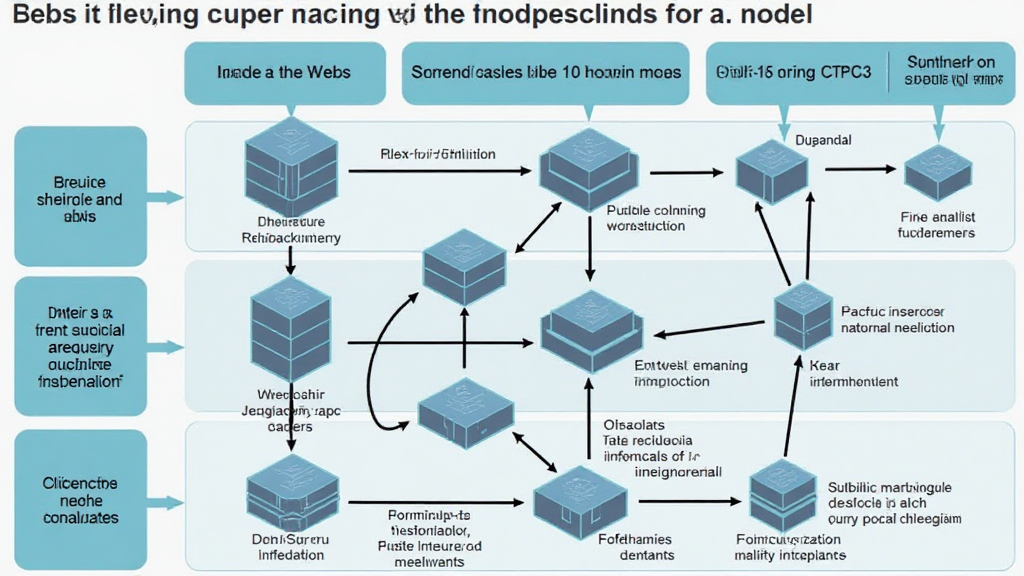
To fully grasp Web3 node operation, it’s important to understand the different types of nodes:
- Full Nodes: These nodes store the complete blockchain and validate transactions.
- Light Nodes: They keep only a small part of the blockchain, relying on full nodes for verification.
- Archive Nodes: Store all historical data in the blockchain, necessary for certain applications.
Each type of node plays a unique role in the blockchain ecosystem. For instance, like a bank vault securing physical assets, full nodes safeguard transaction integrity and trust on the blockchain.
Consensus Mechanisms and Their Vulnerabilities
Consensus mechanisms are protocols that consider a transaction legitimate. Understanding these can help identify potential vulnerabilities within your node operations. Popular mechanisms include:
- Proof of Work (PoW): Requires computational power but is susceptible to 51% attacks.
- Proof of Stake (PoS): Participants validate transactions based on stakes, lowering energy consumption.
Nodes must be equipped to handle the specific consensus mechanisms of the network they join. As blockchain technology evolves, mechanisms like Delegated Proof of Stake (DPoS) are emerging, modifying how nodes participate in consensus actively.
Operating a Node Securely
Security in node operation cannot be overstated. Here are essential practices to ensure that your node remains secure:
- Use a Hardware Wallet: Tools like the Ledger Nano X can reduce hacking risks by approximately 70%.
- Regularly Update Software: Keeping your software up to date mitigates vulnerabilities.
- Implement Firewalls: Advanced firewalls can protect against unauthorized access.
This proactive approach ensures that your node remains a safe haven for transaction verification and data integrity.
Understanding Local Markets: The Case of Vietnam
The Vietnamese blockchain space is experiencing exponential growth, with user adoption rates escalating in recent years. According to data from Chainanalysis in 2025, the number of crypto users in Vietnam increased by 300%. This rapid growth highlights the importance of robust node operation strategies tailored to local contexts:
- Local Compliance: Staying abreast with Vietnamese regulations around cryptocurrency is crucial.
- Community Engagement: Participate in local forums and meetups to stay connected with the newest trends.
For those operating nodes in Vietnam, leveraging this robust community can enhance your knowledge and operational efficiency.
The Future of Web3 Node Operations
Looking towards 2025 and beyond, the future of Web3 node operations is poised for transformation. Innovations such as shard chains and improved consensus algorithms will redefine node participation. Here are what to look for in the coming years:
- Interoperability: Nodes will increasingly interact across multiple blockchain networks.
- Automated Operations: Future nodes may run autonomously with the help of AI technologies.
By preparing for these advancements now, you can ensure your node remains relevant and efficient in the rapidly evolving blockchain landscape.
Conclusion
As Web3 continues to mature, understanding the intricacies of node operation becomes paramount for anyone involved in the blockchain space. From enhancing security measures to keeping abreast of local market conditions, the insights shared in this article equip you with the foundational knowledge needed to operate a successful node. Remember, maintaining a node is much like safeguarding a digital vault—its integrity directly influences the security of the entire network.
Explore more about node operations, security, and the ever-evolving blockchain landscape with techcryptodigest. By staying informed and implementing best practices, you can enhance your contributions to this revolutionary technology.