Web3 Identity Verification: Securing Your Digital Future

Web3 Identity Verification: Securing Your Digital Future
With identity fraud costing businesses over $30 billion annually, the rise of Web3 identity verification is crucial to securing digital assets in an era of increasing cyber threats.
Understanding Web3 Identity Verification
At its core, Web3 identity verification is the process designed to confirm the identity of users through decentralized technologies. In a world where privacy is a major concern, traditional methods of identity verification often fall short. Here’s the catch: the decentralized nature of Web3 allows users to take control of their own data.
What is Web3?
- Web3 refers to the next evolution of the internet, focused on decentralization.
- It integrates concepts like blockchain technology and digital assets.
- Users benefit from enhanced privacy, control, and security.
Why Identity Verification Matters in Web3
In 2024 alone, the DeFi sector saw over $4.1 billion lost due to hacks. This staggering figure highlights the necessity for robust identity verification solutions. Think of it as a bank vault for your digital assets, safeguarding against unauthorized access and fraudulent activities.
Key Components of Web3 Identity Verification
- Decentralized Identifiers (DIDs): These identifiers are unique to each user and eliminate reliance on centralized databases.
- Self-Sovereign Identity (SSI): Users have complete control over their personal data and share only what is necessary.
- Smart Contracts: Automate verification processes while ensuring security and compliance.
How Web3 Identity Verification Works
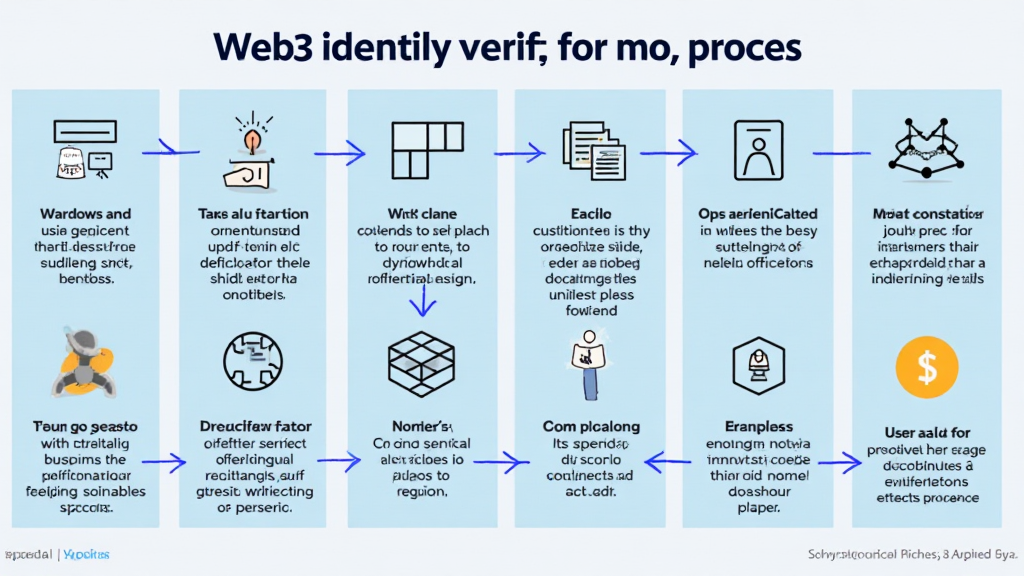
In the context of blockchain, identity verification involves multiple steps:
- Users create a DID that is verified using cryptographic proofs.
- Information is submitted and stored in a decentralized manner, ensuring privacy.
- Smart contracts execute predefined rules to verify the identity and grant permissions.
Benefits of Web3 Identity Verification
Implementing Web3 identity verification has several benefits:
- Enhanced Security: Decentralization reduces the risk of data breaches.
- Improved User Experience: Users can quickly verify their identity with minimum input.
- Compliance: Helps organizations meet regulatory requirements.
Real-World Applications
Across various sectors, companies are adopting Web3 identity verification:
- Banking: Institutions are verifying customer identities quickly while ensuring security.
- Digital Marketplaces: Reducing fraud in online transactions.
- Healthcare: Enabling secure access to personal medical records.
The Vietnamese Market: A Growing Opportunity
As of 2025, Vietnam sees a staggering growth rate of 23% in cryptocurrency users. This surge presents a formidable opportunity for businesses to adopt Web3 identity verification solutions. With a population increasingly willing to engage in digital transactions, the need for security through tiêu chuẩn an ninh blockchain becomes even more pronounced.
Challenges Ahead
Despite its potential, Web3 identity verification faces several challenges such as:
- Regulatory Compliance: Varying laws across regions complicate implementation.
- Technological Barriers: Not every user has access to the necessary technology to use Web3 solutions effectively.
- User Education: Many users need to be educated about the benefits and functionalities of these tools.
Looking Forward: Future Trends in Identity Verification
The landscape of identity verification continues to evolve. Here are some trends to watch:
- Integration with AI: This will enhance fraud detection capabilities.
- Interoperability: Solutions that work seamlessly across different platforms will gain traction.
- Focus on User Privacy: Ongoing development of tools that prioritize users’ control over their personal information.
Conclusion
As we navigate through 2025, the importance of Web3 identity verification cannot be overlooked. It not only mitigates fraud but also champions user privacy and control in an increasingly digital world. By adopting these technologies, businesses can secure their future in the rapidly evolving landscape of cryptocurrencies and blockchain technology.
For further insights on blockchain technologies and market trends, be sure to visit hibt.com and explore our extensive resources.
Stay updated with the latest in the blockchain world. If you’re looking for more information on topics like how to audit smart contracts or future investment predictions, check out our other guides.
Remember, this information is not financial advice, and it’s essential to consult local regulators before making investment decisions.
Written by Dr. Sarah Thompson, an expert with over 10 published papers in cryptographic systems and the lead auditor for several high-profile blockchain projects.