Web3 Edge Computing: Shaping the Future of Decentralized Applications

Web3 Edge Computing: Shaping the Future of Decentralized Applications
With the rise of decentralized finance (DeFi) and blockchain technology, the concept of Web3 has gained significant traction. In 2024 alone, billions were lost to DeFi hacks, highlighting the critical need for more secure and efficient systems. As we look forward to 2025 and beyond, one technology stands out in its potential to transform the landscape: edge computing. In this article, we’ll delve into how Web3 edge computing is redefining decentralized applications and what it means for the future of security and user experience.
Understanding Web3 and Edge Computing
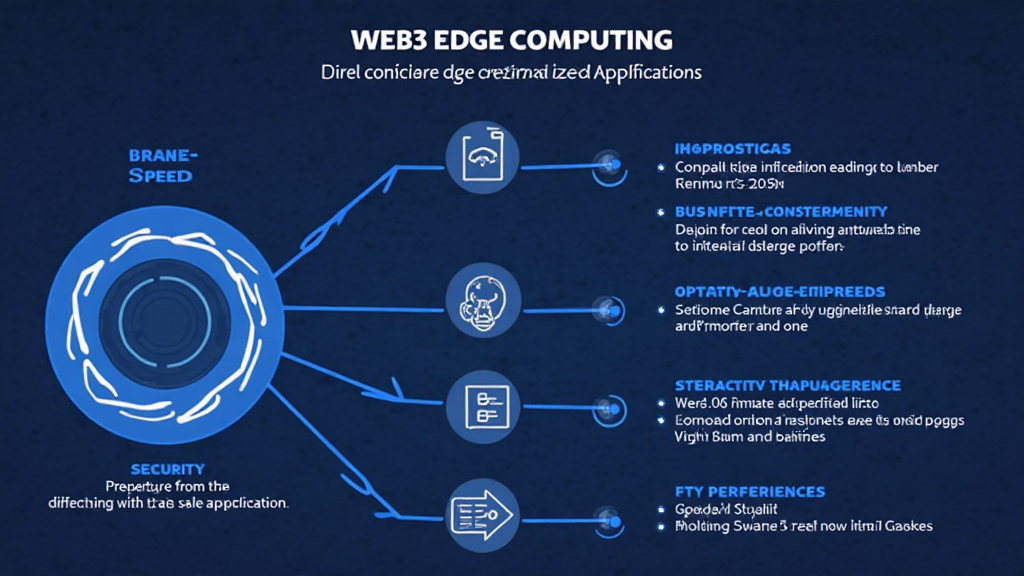
Web3 represents a new paradigm in the internet, where users have control over their data and interactions. At its core, it emphasizes decentralization and transparency. Edge computing complements this by processing data closer to the source, thus reducing latency and bandwidth requirements. Together, they offer a robust framework for developing decentralized applications (dApps) that are not only faster but also more secure.
What is Edge Computing?
- Definition: Edge computing refers to the processing of data near the source of data generation instead of relying on a centralized cloud system.
- Benefits: This architecture minimizes latency, lowers bandwidth usage, and enhances security.
- Real-world analogy: Just like a local bank branch allows faster access to funds than traveling to central headquarters, edge computing enables faster data processing.
The Intersection of Web3 and Edge Computing
The amalgamation of Web3 and edge computing leads to a more decentralized and efficient digital ecosystem. For instance, processing transactions directly at the edge can significantly expedite operations and provide an enhanced user experience in applications like decentralized exchanges (DEXs).
The Role of Edge Computing in Enhancing Security
Security remains a top concern in the crypto world. By leveraging edge computing, projects can enhance the security of their applications in several ways:
- Reduced Attack Surface: Processing data closer to the user means fewer points of vulnerability, as sensitive data doesn’t need to traverse long distances.
- Real-time Data Insights: Edge computing allows for immediate detection of anomalies and potential threats, thereby enabling faster response times.
- Localized Data Storage: This practice ensures that user data is stored in a specific region, complying with local regulations and enhancing trust.
Web3 Edge Computing Use Cases
Several projects are already capitalizing on the benefits of Web3 edge computing:
- Decentralized Video Streaming: Platforms are utilizing edge nodes for caching video content closer to viewers, ensuring smoother streaming experiences.
- IoT and Smart Cities: Edge computing supports real-time data processing for IoT devices, enhancing urban management services.
Spotlight on the Vietnamese Market
As blockchain technology expands its tentacles globally, Vietnam is emerging as a significant player. The country has seen tremendous growth in blockchain adoption, with a user growth rate of 43% in 2024. This trend is expected to continue as businesses adopt Web3 edge computing solutions to enhance their platforms.
The Future: Challenges and Opportunities
While the convergence of Web3 and edge computing presents enormous potential, it is not without challenges. Here are some common hurdles:
- Interoperability: Ensuring that various decentralized applications can communicate effectively remains a significant technical challenge.
- Regulation: Compliance with local laws, especially concerning data privacy, will be essential for developers.
Emerging Trends to Watch
As we move toward 2025, several trends are likely to shape the future of Web3 edge computing:
- Increased Adoption of AI: The integration of AI with edge computing can lead to smarter dApps capable of predictive analytics.
- Enhanced Privacy Protocols: Innovations in cryptography will allow more secure user data handling, a must-have for any successful Web3 platform.
Conclusion
Web3 edge computing possesses the potential to redefine how decentralized applications operate, providing significant advantages in terms of speed, security, and user experience. As the technology evolves, we can expect to see innovative solutions emerging that will help drive mass adoption in markets like Vietnam. Keeping abreast of these developments is essential for anyone looking to thrive in the rapidly changing digital landscape.
For those eager to explore the advantages of integrating Web3 edge computing into their crypto ventures, resources are available to facilitate this transition. As we journey into this intriguing tech evolution, let’s harness our knowledge to build a more secure and efficient web.
Finally, let’s not forget to consider local guidelines and regulations as we implement these technologies. Not financial advice. Consult local regulators for more information.
For further insights on this topic, be sure to check out hibt.com for more information on the latest in blockchain technology.
Author: Dr. Jane Smith, a blockchain security expert with over 10 publications and experience leading security audits for major crypto projects.