Tokenomics Analysis: Understanding the Financial Mechanics Behind Crypto Success

Introduction to Tokenomics
In the rapidly evolving world of cryptocurrency, understanding tokenomics analysis is essential. Did you know that in 2024 alone, DeFi hacks resulted in losses exceeding $4.1 billion? This staggering figure underscores the importance of robust economic models underpinning digital assets. Tokenomics refers to the study of the factors that drive value in cryptocurrency projects, essentially the economics of tokens. With the right analysis, investors can identify opportunities, assess risks, and navigate the complex crypto landscape with confidence.
What is Tokenomics?
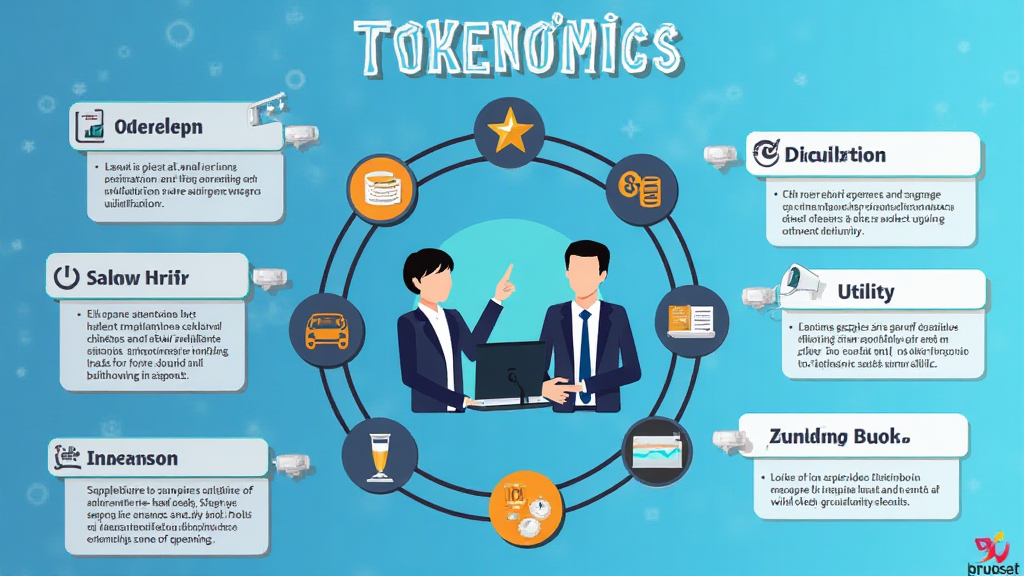
Tokenomics combines the concepts of “token” and “economics.” Essentially, it examines how tokens function within a blockchain ecosystem, including their supply, demand, utility, and distribution. Just like how the performance of a company influences stock prices, tokenomics significantly impacts the value of crypto assets. An effective tokenomics analysis provides insights into why certain tokens can succeed or fail.
The Components of Tokenomics
- Supply: The total number of tokens that will ever exist within a project. This can impact scarcity and consequently the token’s value.
- Distribution: How tokens are distributed across users can create unequal power structures that may impact community trust.
- Utility: The functionality a token provides within its ecosystem, such as governance voting or transaction fees.
- Incentives: Mechanisms that encourage users to hold tokens and participate in the ecosystem.
The Importance of Tokenomics in the Crypto Market
Tokenomics determines not just the viability of a project but its sustainability in the long run. For example, projects with clear utility and well-planned distribution often outpace others in user engagement and long-term retention. Investors looking for 2025’s potential altcoins must evaluate the underlying tokenomics to uncover the projects with real potential.
Factors Influencing Tokenomics
- Market Demand: The need for a token’s utility drives demand. If a token isn’t needed, it risks becoming worthless.
- Community Engagement: A strong and active community can propel a project to success. Projects with minimal community support often struggle.
- Regulatory Landscape: How countries regulate cryptocurrencies can affect token valuations drastically.
- Technological Advances: Innovation can enhance a token’s utility, increasing its demand and overall value.
Case Studies: Successful Tokenomics in Action
Let’s break it down through some successful examples that illustrate effective tokenomics:
Ethereum (ETH)
Ethereum’s transition to Ethereum 2.0 is a textbook case of how well-planned tokenomics can drive success. The adoption of proof-of-stake has decreased energy needs while also increasing potential rewards for holders, thereby enhancing token utility.
Chainlink (LINK)
Chainlink sets itself apart by providing critical off-chain data to smart contracts on the blockchain. Its robust demand for decentralized oracles creates intrinsic value for its LINK token, showcasing a well-thought-out incentive structure.
Challenges in Tokenomics
While tokenomics can propel projects forward, it’s important to recognize potential pitfalls that can arise. These include:
- Flawed Supply Mechanisms: Over-supply can lead to devaluation, while under-supply may create inconsistencies.
- Misaligned Incentives: If the incentives do not align with user behavior, it may create a scenario of poor user engagement.
- Lack of Transparency: Without full disclosure of tokenomics, investors may hesitate to commit their resources.
Future Trends in Tokenomics Analysis
As we move into 2025, several trends are developing in tokenomics:
- Integration with Traditional Finance: Projects that bridge the gap between crypto and traditional finance may attract broader investor interest.
- Circular Economies: Projects utilizing circular economies can enhance sustainability and community trust.
- Interactive Governance: Enhanced governance mechanisms where token holders have a say in project decisions will likely gain traction.
Conclusion: The Power of Tokenomics Analysis
In conclusion, thoroughly understanding tokenomics analysis can empower investors to make informed decisions about cryptocurrency investments. By paying close attention to supply, utility, and community engagement, stakeholders can strategically position themselves in the marketplace. Like a bank vault for digital assets, strong tokenomics can secure user trust and drive long-term value.
To successfully navigate the ever-changing world of cryptocurrency, consider joining local communities and keeping abreast of the latest developments and data, especially in emerging markets like Vietnam, where cryptocurrency user growth is projected to rise significantly over the coming years.
As you think about your crypto investments, remember that a well-researched approach to tokenomics analysis could be what sets you apart in 2025.
Disclaimer: This article is not financial advice. Always consult local regulations and do thorough research before making investment decisions.