Understanding NFT Valuation Methods: Insights for Investors

Understanding NFT Valuation Methods: Insights for Investors
With the NFT market witnessing an explosive growth, evidenced by over $10 billion in sales recorded just last year, understanding NFT valuation methods has become crucial for potential collectors and investors alike. As we dive deeper into the world of Non-Fungible Tokens (NFTs), the various approaches to assessing their value are as unique as the assets themselves.
This discussion not only illuminates the basics of NFT valuation but also looks into specific techniques that can assist in making wise investment choices. Recognizing that the NFT landscape is rife with uncertainty, having a solid grip on valuation methods serves as a vital tool for navigating these waters.
1. The Role of Rarity in NFT Valuation
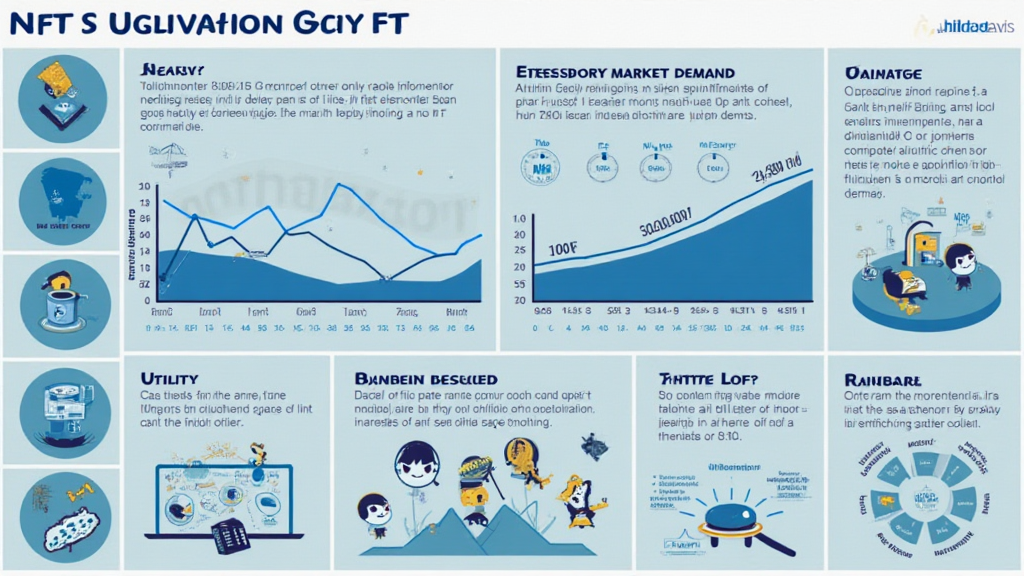
One of the most significant factors contributing to an NFT’s worth is its rarity. In essence, rarity measures how scarce a specific NFT is compared to others in the market. Rarity can be subdivided into a few categories:
- Limited Editions: NFTs released in a fixed number indicate scarcity. For instance, if a digital artwork is issued as a limited edition of 100, each piece’s value can increase due to its scarcity.
- Unique Assets: Singular NFTs without duplicates inherently hold a unique status. For example, the first tweet ever posted on Twitter, once sold as an NFT, fetched over $2.9 million due to its uniqueness.
- Artist Reputation: The background and reputation of the creator significantly enhance an NFT’s exclusivity. Renowned artists generally establish higher intrinsic value, making their NFTs highly sought after.
Consider a Vietnamese digital artist creating an NFT series that gains recognition in Hà Nội—the growing cryptocurrency landscape in Vietnam contributes significantly to the NFT market, increasing both demand and price.
2. Market Demand and Trends
Market demand is another factor influencing NFT valuation, which can fluctuate based on current trends. For instance, in 2025, we might observe novel trends emerging from cultural phenomena, leading to specific artworks or collectibles witnessing explosive price surges. Knowing how to assess market trends is critical:
- Sale History Analysis: Reviewing the sales history of similar NFTs through platforms like OpenSea allows investors to spot trends and average pricing.
- Community Engagement: Engaging with forums, Discord channels, or social media platforms dedicated to NFT discussions can provide insights into which trends are gaining traction.
- Cultural Significance: The relevance of an NFT to ongoing cultural or societal events can dramatically elevate its value, just as NFTs linked to viral moments can see immense price inflations.
As the Vietnamese NFT market continues to attract more users, closely monitoring market demand will supplement informed investment decisions.
3. Utility and Use Case Evaluation
Utility pertains to the functional applications of an NFT. An NFT that provides access to a series of benefits—for instance, exclusive online events, merchandise, or potential future airdrops—holds tangible value beyond its aesthetic appeal. Here’s how utility impacts valuation:
- Membership Access: NFTs functioning as membership cards to exclusive clubs or communities can enhance their desirability and valuation.
- Game-Based Assets: NFTs utilized in popular blockchain games, such as Axie Infinity, can foster considerable demand due to their in-game utility and exchangeability.
- Collaborations and Partnerships: NFTs connected to high-profile partnerships may hold speculative value based on projected demand.
4. Sentiment Analysis in the NFT Space
As the NFT community thrives on social interactions, sentiment analysis quickly emerges as a viable strategy for gauging potential value. Understanding general sentiment towards specific NFTs or collections helps to predict future prices based on community sentiments:
- Social Media Insights: Monitoring social media for investor sentiment can be revealing. Tracking discussions around specific NFTs or projects can directly influence valuation.
- Influencer Opinions: The input of notable influencers can shape market directions. When an influencer endorses or creates an NFT collection, their follower base often impacts the processing of its valuation.
- Surveying the Community: Engaging current owners about their purchase motivations and feedback can guide potential investors regarding a particular NFT’s worth.
5. Future Potential and Innovation
Looking ahead, the innovation within the NFT space signifies possibilities for exponential growth. Potential investors must keep a keen eye on NFTs that showcase promising innovations:
- Technological Advancements: Emerging tech can shape new NFT utilities or functionalities that lead to valuation increases.
- Franchise Opportunities: NFTs that have the potential to evolve into larger franchises (e.g., movies, games) often attract greater interest and financial backing.
- Corporate Investiture: When established corporations venture into NFTs, they often legitimize the technology, elevating their overall perceived value.
Conclusion
In summary, understanding NFT valuation methods is fundamental in navigating the vast NFT landscape. Investors must evaluate rarity, market demand, utility, sentiment, and future potential to make informed decisions that align with their investment goals. The Vietnamese NFT market continues to show promising growth, reaffirming its place in the global ecosystem. As these digital assets continue to evolve, embracing diverse valuation methods will ultimately enhance investment strategies in the entire crypto space.
This article serves to equip you with the necessary insights to navigate NFT valuations effectively and increase your chances of making prudent investments. Stay informed about emerging trends and utilize these strategies to make smart choices in the burgeoning world of NFTs. For more insights into crypto investments and more, visit techcryptodigest.