NFT Crypto Art: Navigating the Future of Digital Ownership

NFT Crypto Art: Navigating the Future of Digital Ownership
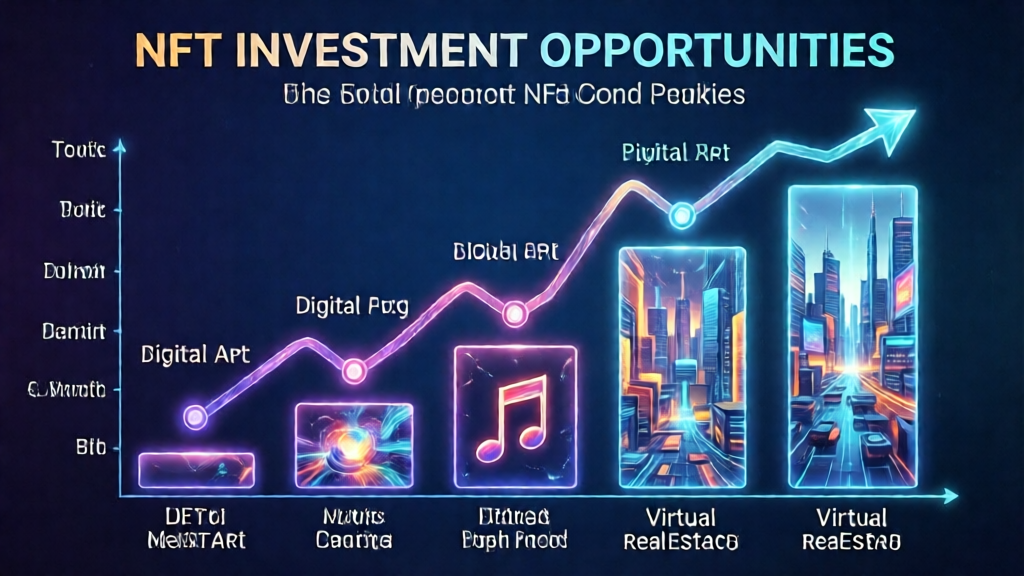
As the digital landscape evolves, so does the way we perceive ownership and value. The emergence of NFT crypto art has sparked conversations across various sectors, from artists and collectors to investors and speculators. According to a recent report by NonFungible.com, the NFT market generated over $10 billion in sales in 2021, paving the way for a new era in the art world. With that in mind, let’s break down the significance of NFT crypto art and what it means for the future.
Understanding NFTs
Non-Fungible Tokens (NFTs) are unique digital assets that represent ownership or proof of authenticity of a specific item, usually stored on a blockchain. Unlike cryptocurrencies like Bitcoin or Ethereum, which are fungible and can be exchanged for one another, NFTs are distinctive. Here’s a crucial point:
- NFTs cannot be duplicated; each token is stored as a distinct entry on the blockchain.
- This feature makes them particularly valuable for digital art, music, and collectibles.
The Rise of Crypto Art
Crypto art refers to artwork that is tokenized as an NFT. This concept has gained immense traction over the past few years, as artists leverage blockchain technology to sell their works directly to consumers without intermediaries. Some statistics to illustrate this:
- In 2021, the NFT art market saw a staggering growth rate of 800%.
- By 2023, it is projected that the NFT market could exceed $100 billion.
Artists embrace NFT crypto art because it allows them to monetize their work more effectively, enabling direct transactions and potentially higher profits. Additionally, creators often earn royalties on secondary sales, providing them with sustained income.
Key Platforms for NFT Crypto Art
If you’re considering diving into NFT crypto art, here are some key platforms where artists and collectors converge:
- OpenSea: One of the largest marketplaces for NFTs, offering a range of crypto art and collectibles.
- Rarible: This platform allows users to create, sell, and buy digital art and has a decentralized governance model.
- Nifty Gateway: Known for hosting exclusive NFT drops from well-known artists and brands.
Looking Ahead: NFT Crypto Art in 2025
As we approach 2025, several trends are likely to shape the future of NFT crypto art:
- Increased Adoption: With a growing number of users entering the NFT space, platforms will become more user-friendly.
- Integration with Virtual Reality: Expect to see more immersive experiences as NFTs integrate with VR platforms.
- Regulatory Developments: Governments worldwide will begin to put frameworks in place for the taxation and legal ownership of NFTs.
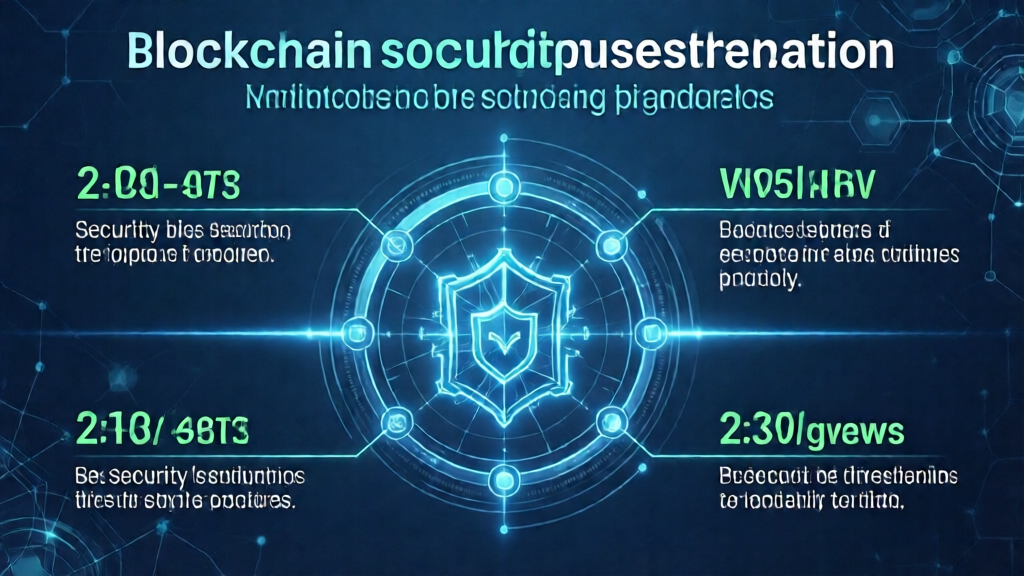
In Vietnam, for example, there is a significant uptick in interest in NFTs, as the younger population seeks innovative ways to engage with art and technology. The tiêu chuẩn an ninh blockchain will also play a critical role in ensuring the safe transaction of these digital assets.
The Environmental Impact of NFTs
While NFT crypto art presents exciting opportunities, it also raises environmental concerns. The energy consumption of blockchain technologies, especially those using proof-of-work mechanisms, has been criticized due to their carbon footprint. To illustrate:
- Critics argue that NFT transactions can produce an equivalent amount of carbon emissions as driving a car for over 1,000 miles.
In response, some platforms are shifting to more energy-efficient solutions. For instance, Ethereum is transitioning to a proof-of-stake system, which significantly reduces energy consumption.
Challenges Facing NFT Crypto Art
Despite the growth of NFT crypto art, the sector faces several challenges, including:
- Market Volatility: The NFT market can be unpredictable, with prices fluctuating wildly based on trends.
- Copyright Issues: There have been instances of artists’ work being minted as NFTs without their consent.
- Scams and Fraud: Buyers need to be vigilant, as the NFT space has seen its share of scams and phishing attacks.
To mitigate these challenges, art collectors should engage with reputable platforms and conduct due diligence before purchasing NFT crypto art.
The Future Is Bright for NFT Crypto Art
Despite the challenges, the future of NFT crypto art looks promising. The integration of blockchain technology with traditional art forms presents endless possibilities for innovation. As an investor or creator, understanding the nuances of this new frontier is essential for navigating the landscape effectively.
According to Chainalysis data, the NFT market is projected to become a multi-trillion-dollar industry by 2025 as more consumers embrace digital assets. This transition signifies not just a change in how we perceive ownership and value, but also a shift in the creative economy. It’s an exciting time for both artists and collectors alike.
Conclusion: Embrace the Future of Digital Assets
NFT crypto art is revolutionizing the way we think about ownership, creativity, and value in the digital age. As we look towards 2025, it’s vital to stay informed about market trends and potential developments. By understanding the fundamentals of NFT crypto art, you’ll be better equipped to navigate the ever-changing landscape of digital ownership.
As this space continues to evolve, TechCryptoDigest will keep you updated on the latest trends and insightful analysis. Don’t miss out on the opportunity to be part of this exciting journey into the future of art and technology.
Author: Dr. Alex Reynolds, a blockchain technology expert with over 15 published papers on digital assets and a lead auditor for several renowned projects.