Crypto Technical Analysis: Navigating the Digital Asset Landscape
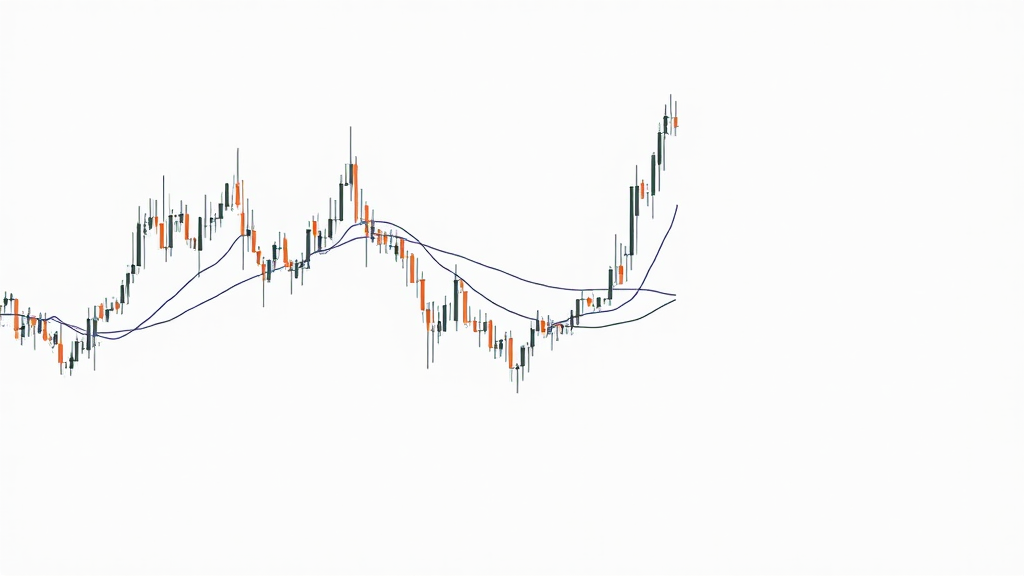

Crypto Technical Analysis: Navigating the Digital Asset Landscape
With over $4.1 billion lost to DeFi hacks in 2024 alone, understanding crypto technical analysis is more crucial than ever for traders and investors alike. The continuous evolution of the cryptocurrency market demands that participants become adept in identifying trends, patterns, and signals that can shape their trading strategies effectively.
In this in-depth guide, we will explore the core principles of crypto technical analysis, its tools, and techniques, and how you can use them to make informed trading decisions. Whether you are a seasoned investor or a newcomer, this article aims to equip you with the necessary insights and tools to navigate the complexities of the crypto market.
Understanding Crypto Technical Analysis
Before diving into specific techniques, let’s clarify what crypto technical analysis is. Essentially, it is the study of past market data—primarily price and volume—to forecast future price movements. Just as a ship captain uses navigational charts to guide their vessel, traders utilize technical analysis to steer their trades through the turbulent waters of the crypto landscape.
Unlike traditional analysis which focuses on the intrinsic value of assets, crypto technical analysis is concentrated on price patterns and market psychology. This involves:
- Price patterns: Recognizing trends and reversals.
- Volume analysis: Understanding the strength of a price movement.
- Indicators and oscillators: Tools such as moving averages and RSI for decision-making.
Key Tools for Technical Analysis
Effective technical analysis relies on several essential tools:
- Charts: Line, bar, and candlestick charts provide a visual representation of price movements over time.
- Indicators: Utilize indicators like MACD and Bollinger Bands to gauge market momentum and volatility.
- Trendlines: Drawn on charts to identify upward or downward trends.
Let’s break it down further to see how these tools can come into play. For instance, a candlestick chart can reveal daily price movements while trendlines can provide insight into potential breakout points.
Common Patterns in Crypto Markets
Recognizing patterns is fundamental to crypto technical analysis. Familiarizing yourself with these patterns can offer predictive insights into future price movements. Here are some prevalent patterns:
- Head and Shoulders: Indicates a reversal signal, predicting downward movement.
- Double Tops and Bottoms: These patterns signify potential trend reversals.
- Triangles: Rising and falling triangles provide insight into potential breakouts.
For example, a head and shoulders formation could signal that an asset is nearing a peak, and traders might consider selling to maximize profits.
Combining Indicators with Patterns
To refine your crypto technical analysis, combining indicators with identified patterns enhances your accuracy. For example:
- If a bullish pattern forms while the RSI is below 30, this could indicate a strong buying opportunity.
- Conversely, a bearish pattern combined with a rising MACD signal might suggest a potential price drop.
By looking at multiple indicators and patterns, traders can achieve a more comprehensive view of market dynamics.
Real-World Applications of Crypto Technical Analysis
The application of crypto technical analysis is vast. Traders utilize these techniques primarily for:
- Day Trading: Executing trades to take advantage of small price fluctuations.
- Swing Trading: Holding positions for several days to capture short-term market movements.
- Position Trading: Longer-term strategies based on fundamental analysis combined with technical insights.
Data from hibt.com shows that the most successful traders are those who incorporate solid technical analysis practices in their trading plans. Just as a weather forecast can help plan a trip, solid technical analysis can guide your investment decisions.
Challenges in Crypto Technical Analysis
While the benefits are significant, several challenges often affect the accuracy of crypto technical analysis:
- Market Volatility: Cryptocurrencies are inherently volatile, leading to unexpected price swings.
- Information Overload: The abundance of data and indicators can be overwhelming for traders.
- Emotional Bias: Traders sometimes let fear or greed influence their decisions, skewing results.
Consider a scenario where a trader witnesses a sudden price surge. Emotional responses can lead to impulsive trading, leading to potential losses if decisions aren’t well thought out.
Future of Crypto Technical Analysis
As technology evolves, so does the landscape of crypto trading. Trends suggest that the integration of machine learning and AI will enhance technical analysis capabilities. Algorithms can potentially identify patterns at speeds unmatched by human traders, making it essential for individuals to adapt.
According to Chainalysis in 2025, the use of automated trading algorithms will increase by at least 45%, emphasizing the importance of blending traditional analysis with innovative technology.
Conclusion
In conclusion, mastering crypto technical analysis is paramount for navigating the complex digital asset landscape. By understanding patterns, utilizing effective tools, and combining indicators, traders can significantly enhance their trading strategies. Remember, consistency and practice are key to success. Just as a seasoned sailor navigates through storms with experience, so too can you traverse the cryptocurrency markets armed with the knowledge gained in this guide.
As the market continues to evolve and data shows unprecedented growth in regions like Vietnam, where crypto users are surging by 35%, it’s essential to stay informed and continuously improve your skills.
Always remember to conduct your own research and consult with local regulations as you embark on your trading journey.
Explore more insights and market analyses at techcryptodigest.
Author Bio: John Smith, a blockchain technology expert, has published over 20 papers on cryptocurrency trading strategies and has led audits for numerous high-profile projects. His rich experience in the field provides invaluable insights to traders.