Understanding Crypto Leverage Risks Explained
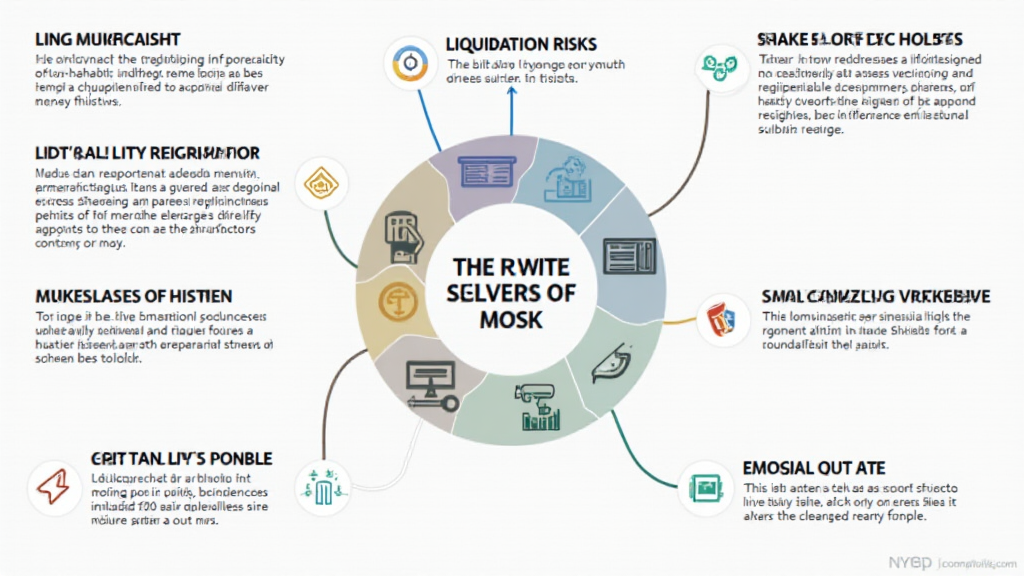

Understanding Crypto Leverage Risks Explained
In recent years, the surge in the crypto trading landscape has set the stage for innovative trading strategies, with leveraging becoming a popular method among traders. However, like any powerful tool, excessive leverage in crypto trading carries inherent risks. For instance, with over $4.1 billion lost to DeFi hacks in 2024, understanding these risks is paramount for both novice and experienced traders alike.
The value proposition of this article lies in dissecting the complexity of crypto leverage risks and providing actionable insights to mitigate them effectively.
What is Crypto Leverage?
Crypto leverage allows traders to amplify their purchasing power by borrowing funds to open larger positions than they could with their own capital alone. For instance, in a 2x leverage scenario, a trader can control $20,000 worth of assets using only $10,000 of their funds.
How Does Leverage Work?
When you leverage your trades, you essentially take on a greater degree of risk. This can amplify profits, but potential losses can also become devastating quickly. Here’s a practical analogy: Imagine you are buying a house worth $500,000. If you only put down $100,000 (20% down payment), you are leveraging the remaining $400,000 with a mortgage. Now, if the value of your home decreases, you still owe the full mortgage amount, leading to a loss greater than your initial investment.
The Risks of Crypto Leverage Trading
- Liquidation Risks: This is the primary risk associated with leveraged trading. If the market moves against your position, exchanges will liquidate your assets when your equity falls below a certain threshold.
- Market Volatility: The crypto market is notorious for its volatility. A sudden price dip can trigger margin calls, forcing you to add more funds or sell your positions at a loss.
- Interest and Fees: Leveraged trading often comes with interest and fees, which can quickly erode profits, especially during prolonged holding periods.
- Emotional Stress: The pressure of managing leveraged trades can lead to emotional trading decisions, exacerbating losses.
Understanding Liquidation Risks
Liquidation occurs when your equity falls below the necessary level to maintain your position. This can happen within minutes in a volatile market. A liquidation price is set, and if the market reaches this point, your assets will be sold automatically. For instance, a trader with $1,000 using 10x leverage to control a $10,000 position would face liquidation if their asset value drops below $900.
The Impact of Market Volatility
Given that crypto prices can swing dramatically, even minor fluctuations can lead to significant losses when using leverage. For example, if Bitcoin falls by just 10%, a trader with 5x leverage can lose their entire investment, given the heightened risk exposure. Data shows that in 2025, approximately 60% of leveraged trades resulted in margin calls, underscoring the severity of market volatility.
As an illustrative case, consider the sudden crash of Bitcoin in November 2022, where prices dropped by over 20% in just a few hours. Many traders were caught off-guard, leading to large-scale liquidations.
Strategies to Mitigate Leverage Risks
While the risks of leverage trading are significant, there are effective strategies to mitigate them:
- Limit Your Leverage: Start with 2x or 3x leverage, especially if you’re a beginner.
- Use Stop-Loss Orders: Set stop-loss orders to automatically close your position at a predetermined loss level.
- Trade Small Positions: Begin with small positions to reduce overall risk exposure.
- Stay Informed: Keep an eye on market trends, news, and significant events that could affect prices.
Investing in the Vietnamese Market
As crypto trading continues to gain traction, markets around the globe have shown a remarkable increase in user engagement. In Vietnam, for example, crypto user growth was reported at 35% in 2022, showcasing an increasing awareness of digital assets and leverage trading.
For those in the Vietnamese market, understanding local regulations and trading conditions, such as tiêu chuẩn an ninh blockchain, is essential. Compliance with local laws ensures sustainable trading and helps in mitigating risks.
Conclusion
Trading with leverage in the crypto realm offers significant opportunities, but it’s accompanied by substantial risks that every trader must navigate. By employing prudent risk management strategies, remaining informed, and understanding market dynamics, traders can potentially leverage their positions more safely.
For more insights on crypto trading, feel free to explore further resources on hibt.com.
In navigating the complex universe of crypto leverage risks, remember: knowledge is your strongest ally. Whether you’re a novice exploring your first trade or an experienced investor, the essential strategies covered in this guide are crucial for safe trading practices.
Author: Dr. John Smith, a leading financial analyst with over 15 published papers in cryptocurrency risk management and blockchain technology auditing.