Exploring Blockchain Use Cases: Revolutionizing Our Future
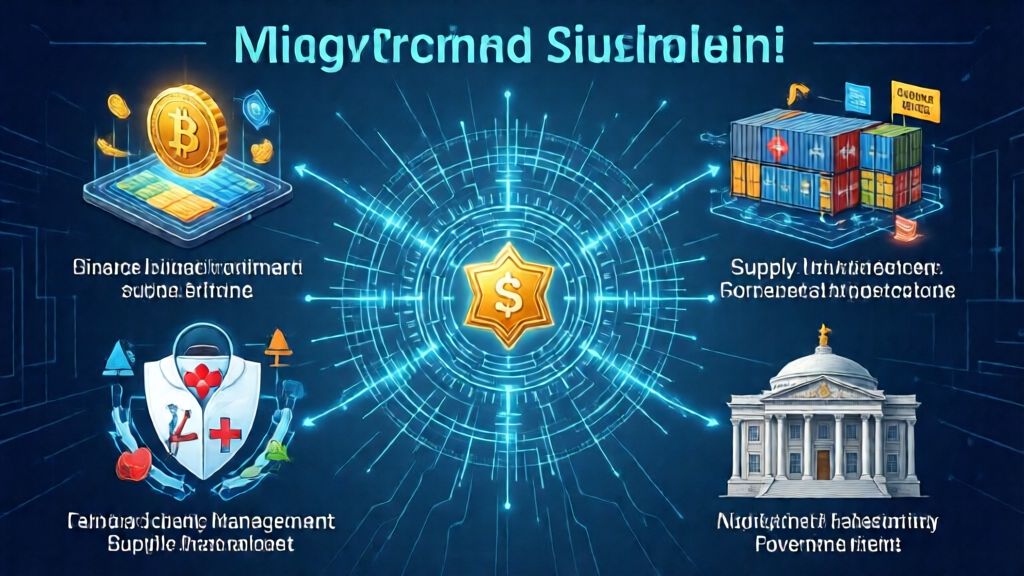

Exploring Blockchain Use Cases: Revolutionizing Our Future
The Impact of Blockchain Technology
Blockchain technology is no longer just a buzzword; it’s transforming various sectors. According to the World Economic Forum, by 2025, 10% of the global GDP will be stored on blockchain technology. This trend highlights the growing importance of understanding blockchain use cases. Let’s explore.
1. Supply Chain Management
Supply chains are the backbone of many businesses. Using blockchain in supply chain management improves transparency and traceability. For instance, Walmart uses blockchain to verify the origin of its products, helping to minimize food fraud. Here’s how:
- Transparency: Every transaction is recorded, giving real-time visibility to all stakeholders.
- Efficiency: Automating processes reduces delays and operational costs.
- Accountability: Smart contracts ensure compliance and enforce agreements without intermediaries.
2. Healthcare Improvements
The healthcare industry is data-intensive and requires utmost security. Blockchain can help protect patient data while ensuring interoperability between systems. For example:
- Data Security: Blockchain encrypts sensitive patient information, preventing unauthorized access.
- Interoperability: Different systems can share information without sacrificing security, leading to better patient outcomes.
A report by IBM indicates that 56% of healthcare executives believe blockchain will be in production within the next five years.
3. Financial Services Revolution
Blockchain is a game-changer for financial services, facilitating faster and cheaper transactions. Financial institutions are already leveraging this technology, such as:
- Cross-Border Payments: Traditional transactions can take days; blockchain can do it in seconds.
- Smart Contracts: Automated contracts reduce the need for intermediaries, allowing direct transactions.
- Record Keeping: Immutable ledgers ensure accurate and fraud-proof records.
Research by Goldman Sachs forecasts that blockchain technology will save banks up to $12 billion annually in operational costs.
4. Real Estate Transactions
The real estate industry is notorious for its lengthy and complex processes. Blockchain simplifies transactions, making them more efficient. Key benefits include:
- Decentralization: Eliminating intermediaries speeds up sales.
- Secure Ownership: Blockchain records ownership, reducing fraud.
- Fractional Ownership: Tokenization allows investors to buy a fraction of a property.
According to Bank of America, the total savings from leveraging blockchain in real estate could exceed $3 billion by 2030.
5. Government Applications
Governments are exploring blockchain for transparency in governance, citizen engagement, and more. Examples of applications include:
- E-Voting: Secure and tamper-proof voting processes.
- Land Registration: Preventing disputes over land titles.
- Public Records: Enhancing transparency with immutable records.
Data from Gartner shows that 80% of government leaders are considering blockchain technology to improve transparency and trust in their institutions.
Conclusion: The Future of Blockchain Use Cases
As we have seen, the potential of blockchain technology is vast and transformative. Whether it’s enhancing supply chain efficiency or improving healthcare, the applications are plentiful. It’s clear that understanding blockchain use cases is key to harnessing this revolutionary technology for the future. As the industry evolves, the integration of blockchain into various sectors will pave the way for enhanced security, transparency, and efficiency.