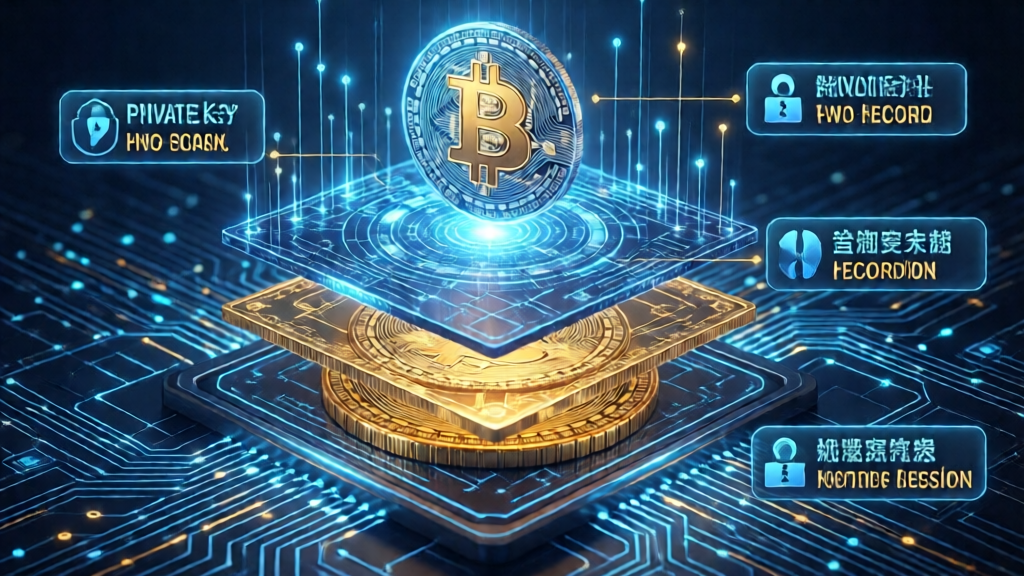
Decentralized Computing: The Future of Technology


Decentralized Computing: The Future of Technology
Introduction
In recent years, decentralized computing has emerged as a transformative force in the tech industry, reshaping our digital landscape and presenting a viable solution to existing limitations in centralized systems. As traditional cloud services continue to face issues related to security and data privacy, decentralized computing offers a fresh perspective and innovative solutions that appeal to organizations of all sizes. Recent studies indicate that the global decentralized computing market is projected to reach $150 billion by 2030, showcasing an increasing acceptance and adoption of this technology.
But what exactly is decentralized computing, and how does it impact our lives? In this article, we’ll explore the core principles of decentralized computing, analyze its benefits and challenges, and provide insights based on real-world data and case studies.
Understanding Decentralized Computing
Let’s break it down: Decentralized computing refers to a distributed computing environment where processing and data storage are spread across multiple nodes rather than being concentrated on a single central server. This model provides various advantages, including enhanced data security, improved system resilience, and increased user control.
To illustrate, imagine a neighborhood where all houses rely on a single water pipe from a distant reservoir. If this pipe bursts, the entire neighborhood faces a water shortage. In contrast, a decentralized system would have individual tanks for each house, ensuring that even if one tank runs dry, others remain functional.
Key Components of Decentralized Computing
- Peer-to-Peer Networking: Individual nodes in a decentralized network communicate directly with each other without intermediaries, enhancing speed and reducing latency.
- Blockchain Technology: A foundational element of many decentralized applications, blockchain ensures transparency, security, and immutability of data.
- Smart Contracts: These self-executing contracts with the terms of the agreement directly written into code can automate processes and reduce the need for intermediaries.
The Benefits of Decentralized Computing
By implementing decentralized computing, organizations can unlock numerous benefits that cater to modern business needs. Here we summarize the primary advantages:
Enhanced Security
Decentralized networks reduce risks associated with central points of failure. Data breaches that typically plague centralized systems become less feasible, as there is no single repository of sensitive information to target.
Greater Autonomy and Control
Users enjoy a higher level of control over their data. Instead of surrendering personal information to a centralized entity, individuals can choose what data to share and how it is used.
Improved Scalability
As demand increases, decentralized computing systems can adapt more easily than their centralized counterparts. Adding nodes to the network allows for enhanced capacity without overwhelming a central server.
Challenges and Considerations
However, decentralized computing is not without its challenges. Understanding these drawbacks is essential for organizations contemplating the transition.
Complexity of Implementation
Setting up a decentralized network can be technologically complex, requiring significant investment in training and development.
Regulatory Hurdles
As with any emerging technology, decentralized computing faces scrutiny from regulatory bodies. Organizations must navigate compliance issues, especially concerning data privacy laws.
Performance Issues
Decentralization can sometimes lead to slower performance, particularly if the network is not adequately optimized for efficiency.
Real-World Applications of Decentralized Computing
Organizations worldwide are already harnessing the power of decentralized computing to address real-world challenges. Examples include:
Supply Chain Management
Companies like IBM and Maersk are utilizing blockchain technology to improve transparency and efficiency in supply chains, allowing all parties to track goods in real time.
Decentralized Finance (DeFi)
Platforms such as Uniswap and Compound are revolutionizing financial services by eliminating the necessity for traditional banks and centralized financial institutions.
Market Trends and Future Outlook
As organizations recognize the transformative potential of decentralized computing, industry forecasts suggest that the growth trajectory will only accelerate. By 2025, it is estimated that up to 30% of enterprise workloads will shift to decentralized environments.
These projections are not only promising for technology companies but also for consumers who stand to benefit from increased options and better privacy in their digital interactions.
Conclusion
In summary, decentralized computing represents a pivotal shift in how we think about technology and data management in the digital age. With its many benefits, it’s clear that this technology will be integral to future innovations.
As we continue to evolve in a world increasingly defined by decentralized systems, organizations and individual users alike need to adapt and adopt practices that support this shift. The success of decentralized computing will hinge on our ability to address its challenges head-on and embrace the opportunities it presents for a more secure, efficient, and equitable digital landscape.
For those interested in exploring decentralized computing further, resources provided by platforms like TechCryptoDigest offer invaluable insights and support, helping navigators of this new frontier to succeed.