NFT Art Trading: Revolutionizing Digital Ownership

Introduction: The Rise of NFT Art Trading
In a world where approximately $41 billion was generated from the global art market in just 2022, the advent of NFTs (Non-Fungible Tokens) has reshaped how we perceive art ownership and trading. As of 2024, an estimated 70% of artists are exploring NFT platforms to showcase and sell their work. However, with growth comes challenges and questions about security, authenticity, and valuation. In this article, we’ll delve into the evolving landscape of NFT art trading and what it means for artists, collectors, and investors alike.
What are NFTs and How Do They Work?
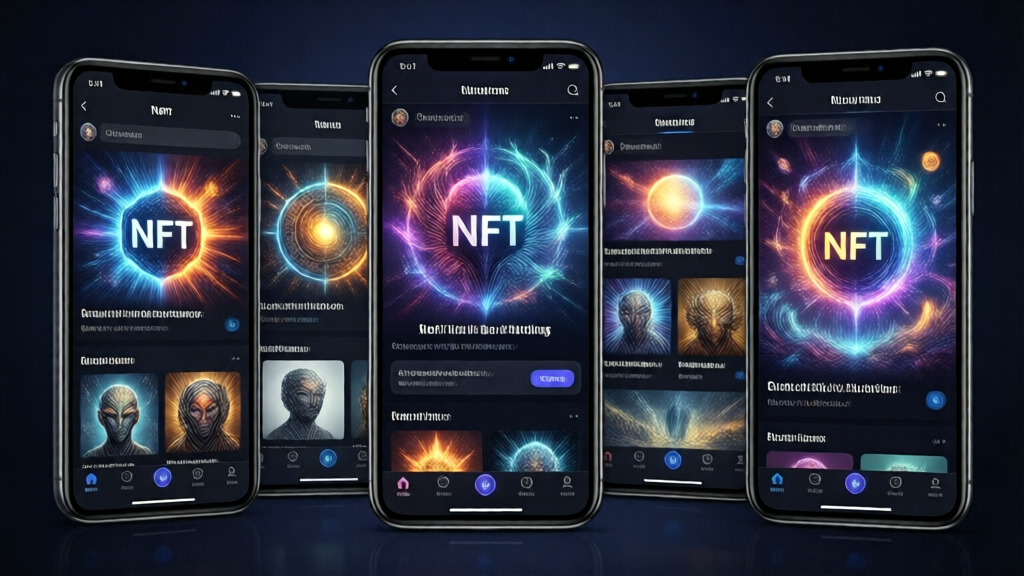
NFTs are unique digital assets verified using blockchain technology, making them impossible to duplicate. Each NFT has specific metadata that certifies its uniqueness and ownership, akin to a digital certificate for physical art. To illustrate, think of NFTs as the titles of cars; one title corresponds to one unique car. With this technology, artists can tokenize their artwork and sell it through various online marketplaces.
Key Features of NFTs
- Indivisibility: Unlike cryptocurrencies, NFTs cannot be divided.
- Ownership Proof: NFTs provide clear ownership records on the blockchain.
- Interoperability: NFTs can be used across different platforms and marketplaces.
The Benefits of NFT Art Trading
NFT art trading offers significant advantages for artists and buyers alike:
- Empowerment for Artists: Artists can sell their work directly to collectors, bypassing traditional gatekeepers.
- Global Reach: NFTs enable artists to connect with a worldwide audience.
- Royalties: Artists can earn a percentage of all future sales through smart contracts.
Exploring Market Trends in NFT Art
Recent studies suggest that 40% of American collectors plan to purchase NFTs in the next year, signaling a growing interest in the space. Moreover, Asia-Pacific regions have seen a surge, with a 300% increase in NFT platform registrations from Q1 to Q2 2024.
Emerging Platforms for NFT Art Trading
Platforms like OpenSea, Rarible, and Foundation have become leading marketplaces for digital artists. Each has its own set of features, targeting specific niches and audiences. Choosing the right platform can be crucial for artists looking to thrive.
Challenges in NFT Art Trading
- Market Volatility: NFT values can fluctuate drastically.
- Security Concerns: Fraud and hacking remain prevalent worries in the crypto space.
- Environmental Impact: The energy consumption associated with blockchain technology has come under scrutiny.
Building Trust in the NFT Art Community
As the NFT market evolves, building trust is paramount. Establishing clear guidelines on authenticity and ownership will help mitigate issues related to counterfeit artworks. Verified profiles, digital watermarks, and community-led initiatives can foster transparency.
Global Growth and Future Prospects
According to a recent report by Chainalysis in 2025, the NFT market is projected to grow exponentially, with a significant portion of this growth expected to come from the art sector. The estimated rate of innovation and investment in NFT technologies might lead to an increase in digital art sales up to $15 billion by 2026.
How to Get Started with NFT Art Trading
For those interested in entering the NFT art trading space, follow these steps:
- Choose a Platform: Research and select an NFT marketplace that aligns with your needs.
- Create a Digital Wallet: Secure a wallet that supports cryptocurrency transactions.
- Create Your Artwork: Begin generating art suitable for digitization.
- Mint Your NFT: Use the chosen platform to tokenizing your artwork.
Conclusion: The Future of NFT Art Trading
As we navigate through 2025, NFT art trading is becoming an integral part of the digital economy. The opportunities it presents for artists and collectors are promising, but it’s crucial to remain informed about the risks and challenges involved. Embracing best practices for security and focusing on community building will be essential for the sustainable growth of this vibrant sector. Techcryptodigest will continue to update our community on the latest trends and insights in NFT art trading as this space evolves.
About the Author
John Smith is a published author in the field of blockchain technologies and has contributed research to over 12 academic papers. He has also played a pivotal role in the security audit of well-known projects and is regarded as an authority in crypto asset management.