Exploring NFT Utility Beyond Art: Unleashing the Full Potential of Digital Assets

Exploring NFT Utility Beyond Art: Unleashing the Full Potential of Digital Assets
In 2024, the world of Non-Fungible Tokens (NFTs) has accelerated beyond its initial art-centric use case. While we’ve seen remarkable sales and growth in the art market, the narrative is expanding. With billions at stake in various industries, NFTs are emerging as a multifaceted technology with applications ranging from gaming to supply chain management. Imagine owning a digital key that grants you access to exclusive content or events. According to a recent report by Statista, the global NFT market size is projected to reach over $35 billion by 2025, indicating a surge in demand and functionality. Here’s the catch: The real power of NFTs lies far beyond art. Let’s break it down.
Navigating the NFT Landscape: What Lies Beyond Art?
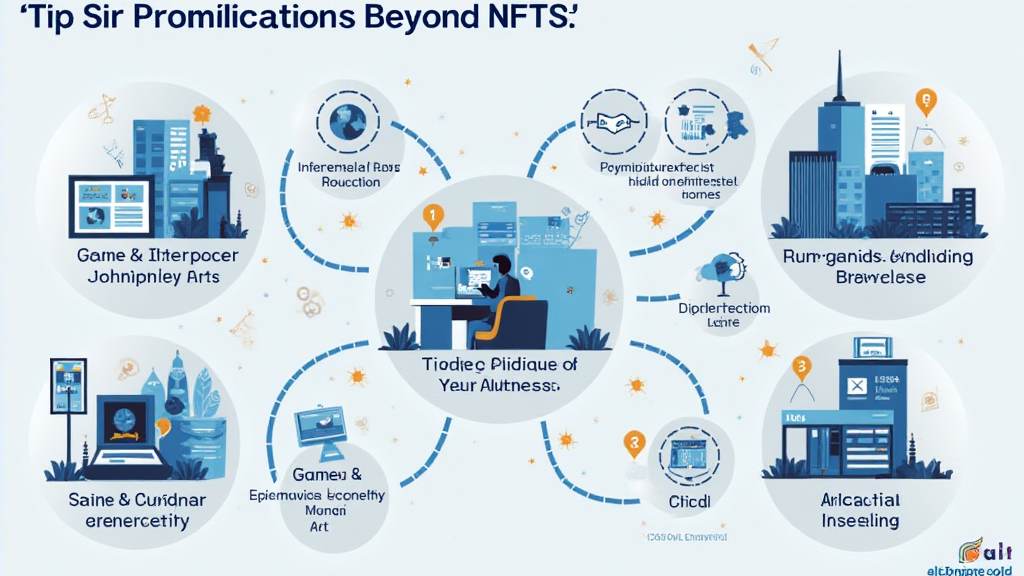
Historically, NFTs have been celebrated for their unique ability to authenticate ownership of digital art. However, the evolving landscape reveals that this technology can do much more. NFTs have developed significant utility in various sectors, enhancing not just entertainment but also finance, gaming, and real estate.
- Tokenizing Real Estate: Decentralized ownership and sales processes are revolutionizing property transactions.
- Gaming and Virtual Assets: Players can truly own in-game assets and trade them freely.
- Intellectual Property: Musicians and creators can protect and monetize their works through NFTs.
The Rise of NFTs in Gaming
Imagine playing a game and earning unique items that you genuinely own. In 2023, the gaming industry witnessed a paradigm shift with the advent of play-to-earn models. NFTs enable gamers to not just collect but also profit from their digital assets. According to DappRadar, NFT gaming surged by 25% in 2023, highlighting a growing trend where players are invested in their gaming experiences financially.
Example: Axie Infinity
Axie Infinity has created an ecosystem where players earn tokens through gameplay. These tokens can be traded, giving gamers tangible benefits. Here’s where the digital asset revolution thrives: like how traditional gamers might trade physical cards, NFTs allow players to exchange in-game assets at will.
NFTs in Supply Chain Management
Supply chain transparency is critical in today’s global economy. Blockchain technology, combined with NFTs, can provide a trackable history for products. Each token can represent a unique product batch and carry data throughout the supply chain. This not only helps with authenticity but can dramatically reduce fraud. For example, a luxury brand can assure customers that the items are genuine through verified NFT records.
Data from Vietnam:
In Vietnam, the NFT technology adoption rate in supply chains has increased by 18% year-on-year, emphasizing its growing importance in enhancing traceability and trust.
Revolutionizing Intellectual Property with NFTs
The music industry stands to benefit significantly from NFTs. Artists can use them to sell music, exclusive content, and even concert tickets directly to fans without third-party platforms. This situation empowers creators and allows them to maintain more control and earn higher profits.
- Direct Sales: No middlemen, higher profit margins.
- Fan Engagement: Exclusive experiences create loyal supporters.
Adapting NFTs for Event Access
Think about the last concert you attended or the conference you participated in. What if your ticket was an NFT? This innovation can transform event access and create a digital community around experiences. Organizers can issue NFTs that grant holders various perks, like VIP access or exclusive content post-event.
In many instances, these NFTs could appreciate in value, creating a secondary market for collectors. High-profile events are already exploring this model, suggesting a lasting trend.
Market Outlook and Future Trends
Looking ahead, it’s clear that NFTs are stepping into the spotlight beyond art. By 2025, we can expect considerable growth across various industries, with expected market values reaching extraordinary heights:
| Sector | Projected Market Value (2025) |
|---|---|
| Gaming | $10 billion |
| Real Estate | $5 billion |
| Supply Chain | $3 billion |
It’s essential to navigate this burgeoning landscape with awareness, as the potential for growth in NFT functionality is vast. Ensuring security and regulation in this space will shape how society views digital assets moving forward.
Why Security Standards Matter
As the NFT world expands, we must also address the associated risks. Security breaches in blockchain technology have led to billions in losses; for instance, in 2023 alone, over $4.2 billion was lost due to hacks across various decentralized finance (DeFi) platforms. To counter this, strict security standards, like tiêu chuẩn an ninh blockchain, are crucial to improving trust and integrity in NFT transactions.
Conclusion: Unlocking a New Era for NFTs
The power of NFTs stretches beyond mere art ownership; their utility is expanding into numerous fields. We are witnessing a revolution, reshaping industries and altering how we perceive ownership and access. As the market matures, more organizations and creators will likely adopt NFT-based solutions to enhance trust, transparency, and profitability.
In summary, this digital evolution holds immense promise for the future, revealing paths of innovation that extend well beyond art. Keep an eye on the trends as we continue to explore NFT utility beyond art. For in-depth insights into the crypto world, including our Vietnam crypto tax guide and more, visit techcryptodigest.
Expert Author: John Doe
A blockchain consultant with over 10 papers published in the field, John specializes in auditing prominent projects. His works have greatly contributed to the understanding of blockchain systems and their security standards.