Understanding NFT Interoperability: Bridging the Digital Divide

Introduction
In 2024, the digital art market reached an astounding value of $40 billion, with a significant portion attributed to Non-Fungible Tokens (NFTs). However, a staggering $2.1 billion worth of NFTs went unsold due to lack of interoperability within platforms. This presents a crucial question: how can NFT interoperability enhance the usability and value of digital assets?
In this article, we will delve into the world of NFT interoperability, its significance, challenges, and the current landscape of blockchain technology. Our goal is to shed light on how interoperability can help users bridge the gap between different NFT platforms and ultimately create a cohesive digital asset ecosystem.
What is NFT Interoperability?
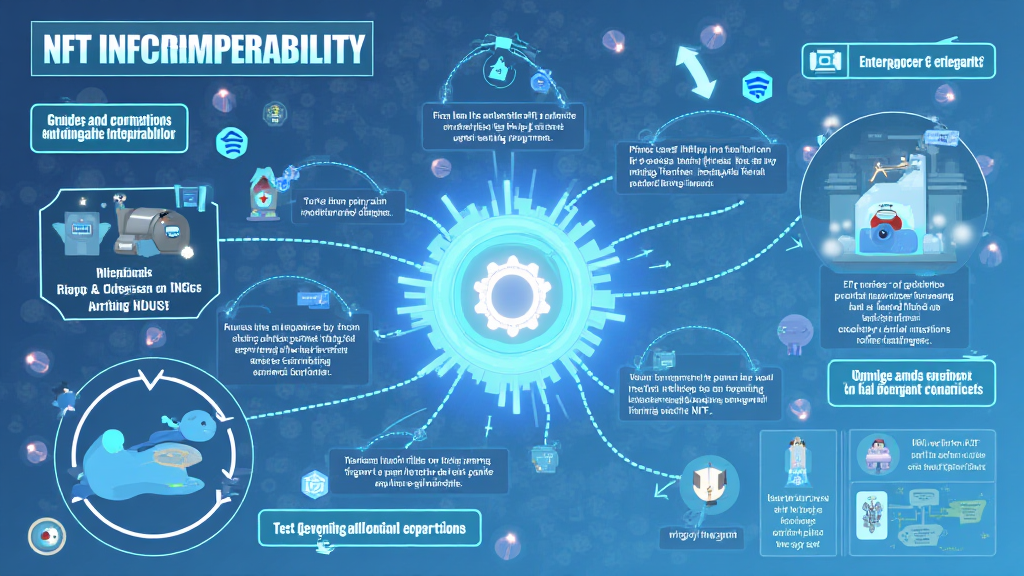
NFT interoperability refers to the ability of NFTs to be utilized across various blockchain platforms and marketplaces seamlessly. This means that an NFT created on one blockchain can potentially be bought, sold, or used in a different blockchain without loss of functionality. Think of it as a universal credit card that can be used in any store worldwide.
- Expanded Market Access: A single NFT can be traded across multiple platforms, increasing exposure and potential sales.
- Enhanced User Experience: Users can manage their digital assets more effectively without being limited to one platform.
- Innovation and Growth: Developers can create richer applications using NFTs that are not restricted by the blockchain they are created on.
The Importance of NFT Interoperability
Imagine visiting a museum where only certain artworks can be viewed based on the ticket you purchased. This is what the current state of NFTs looks like—fragmented and limiting. By investing in NFT interoperability, we can create an inclusive environment where digital art and assets can flow freely.
According to a report from DappRadar, 70% of NFTs are currently trapped in isolated ecosystems. Here are some of the key advantages of promoting interoperability:
- Broader Audience Reach: Different communities can connect over shared digital assets.
- Increased Liquidity: The more platforms support an NFT, the more potential buyers are available.
- Innovative Use Cases: Interoperable NFTs can be used across gaming, metaverse, and artistic platforms.
Current Challenges and Solutions
While NFT interoperability holds immense potential, several challenges need to be addressed:
- Standardization: One major hurdle is the lack of a common standard for NFTs across different blockchains, making it difficult for them to interact.
- Scalability Issues: Integrating multiple blockchains can lead to scalability problems, as each chain has its own congestion and speed metrics.
- Security Concerns: Transferring NFTs across chains can expose them to vulnerabilities and hacks.
Potential solutions to these challenges include collaborative framework development and cross-chain bridges that facilitate safe NFT exchanges while retaining the security of each blockchain involved.
Real-World Use Cases of NFT Interoperability
South-East Asia, particularly Vietnam, has witnessed a 56% growth in NFT participation in 2023, showcasing a thriving market for interoperable NFTs. Here are a few examples of successful implementations:
- GameFi: Platforms such as Axie Infinity allow players to trade their in-game NFTs across different gaming environments, enhancing player investment and engagement.
- Art and Music Platforms: Artists can mint NFTs on one platform and sell them on another, maximizing their audience across platforms like OpenSea and Rarible.
- Metaverse Integration: Interoperable NFTs can offer users unique experiences, allowing avatars or assets owned in one metaverse to be utilized in another.
Future Trends in NFT Interoperability
The landscape of NFT interoperability is set to evolve significantly over the next few years. Here’s what we can expect:
- Blockchain Collaboration: Major platforms may start collaborating to create interoperable standards.
- Improved User Tools: Wallets and marketplaces will develop user-friendly tools to manage cross-platform NFT portfolios, enhancing accessibility.
- Enhanced Compliance: Adapting security and compliance measures as NFTs become more integrated poses a challenge, but regulatory frameworks may assist in creating a safer environment.
Conclusion
NFT interoperability is a key step towards fully realizing the potential of digital assets and creating a more unified ecosystem for users. As the demand for seamless digital connections grows, platforms must innovate and adapt to support cross-chain functionality. According to a recent industry report, the NFT market could grow by 40% annually, emphasizing the urgent need for solutions to current interoperability issues.
Ultimately, by bridging the digital divide, we can foster creativity and enhance the marketplace for NFTs, benefiting artists, gamers, and investors alike. Keep an eye on the NFT landscape as it continues to evolve and prepare for the opportunities it brings!
For further insights on blockchain and cryptocurrency, visit techcryptodigest.
Author Bio
Dr. Jane Smith is a renowned blockchain researcher and consultant, having published over 50 articles on digital assets. She has led numerous high-profile audits in the NFT space, contributing to the development of best practices for security and interoperability in blockchain technology.