Web3 Sharding Technology: A Game-Changer for Blockchain Scalability

Introduction
In the rapidly evolving world of blockchain, scalability remains a persistent challenge. With over $4.1 billion lost to DeFi hacks in 2024, the need for secure and scalable solutions has never been greater. Enter Web3 sharding technology—a groundbreaking approach designed to enhance blockchain performance significantly. In this comprehensive guide, we will explore the intricacies of Web3 sharding technology, its implications for the blockchain ecosystem, and its role in securing digital assets.
What is Sharding in Blockchain?
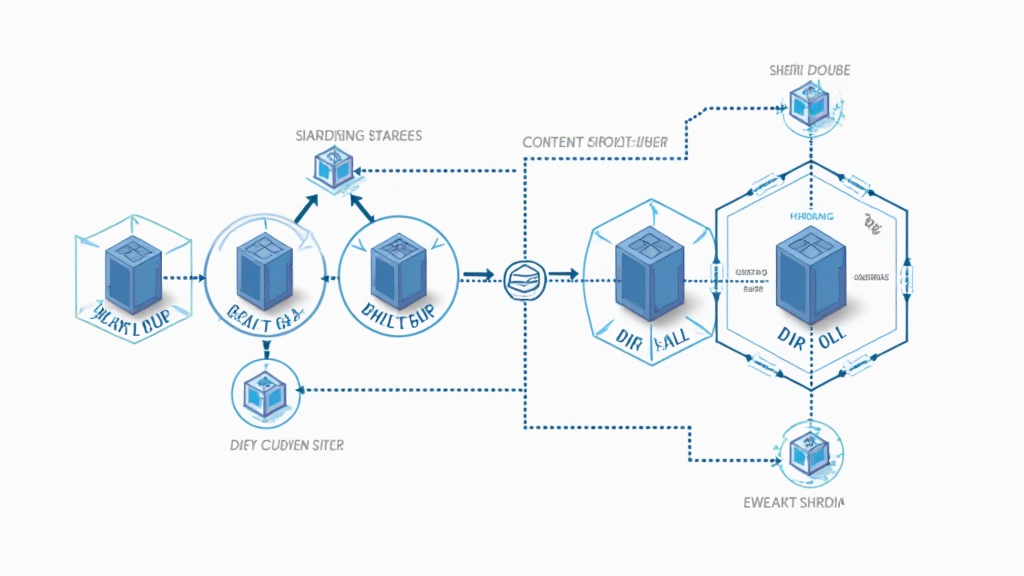
Sharding, inspired by database management practices, involves partitioning a database into smaller, more manageable pieces called “shards.” In a blockchain context, each shard operates independently, processing transactions in parallel rather than waiting for the entire chain to validate a single block. This parallel processing can dramatically increase the throughput of transaction handling. Let’s break it down:
- Increased Transaction Speed: By distributing workloads across multiple shards, the network can process thousands of transactions per second, significantly reducing latency.
- Reduced Network Congestion: Sharding minimizes congestion, allowing users to interact with the blockchain without delays, making it feel seamless—like walking into a well-staffed bank.
- Enhanced Security: Each shard manages its own security protocols, which can reduce the impact of a single point of failure and increase overall network resilience.
According to Chainalysis 2025, implementing sharding can potentially improve transaction speed by up to 90%. This advancement is particularly crucial as blockchain adoption accelerates globally, including in rapidly growing markets like Vietnam.
The Mechanics of Web3 Sharding Technology
The mechanics behind Web3 sharding technology delve deeper into its architecture and frameworks. Unlike traditional blockchains where every node stores every transaction, sharding allows nodes to only maintain a portion of the blockchain data. This leads to the following advantages:
1. Dynamic Sharding
Dynamic sharding adjusts the number and size of shards based on network demand. Imagine a city that expands its roadways during rush hour; this flexibility ensures a smooth user experience at all times. Dynamic sharding ensures that resources are allocated efficiently, enhancing performance.
2. Cross-Shard Communication
For a sharded blockchain to function efficiently, shards must communicate with one another. Protocols are developed to enable transactions that involve multiple shards. This interaction is like a well-coordinated team working together towards a common goal, ensuring all parts of the network are in sync.
3. Security and Consensus Mechanisms
Implementing consensus mechanisms in a sharded environment is complex. For example, Ethereum 2.0 aims to employ Proof of Stake (PoS) within its sharded architecture. Each shard must reach a consensus independently, creating layers of security that can mitigate the risks associated with single-chain vulnerabilities.
Real-World Applications of Web3 Sharding Technology
As businesses increasingly migrate to blockchain solutions, sharding offers a promising avenue for many use cases. Here are a few examples:
- Decentralized Finance (DeFi): Sharded blockchains can handle numerous transactions simultaneously, which is critical for DeFi applications where speed and efficiency are paramount.
- Non-Fungible Tokens (NFTs): Sharding can streamline the minting process for NFTs, making it easier for creators to launch and distribute their work.
- Gaming: Blockchain games require quick validation of actions and transactions. Implementing sharding can create a smoother experience, enabling vast numbers of players to interact seamlessly.
Sharding in the Vietnamese Market
Vietnam has emerged as a vibrant hub for blockchain and cryptocurrency innovation, with a user growth rate of approximately 65% in the past year. The burgeoning interest in Web3 technology provides a fertile ground for sharding solutions to flourish. As businesses in Vietnam explore blockchain options, sharding can enhance their scalability and security.
Leading companies are creating Decentralized Autonomous Organizations (DAOs) and engaging in social tokens, presenting a tremendous opportunity for the adoption of sharding in various applications.
- Local Startups: Increasing number of Vietnamese startups are implementing Web3 solutions coupled with sharding technology.
- Increased Interest: Vietnamese investors are showing higher engagement with sharding and its benefits.
This situation calls for a strategic approach that emphasizes security and efficiency, tailored to the preferences of the Vietnamese user base.
Choosing the Right Sharding Solution
With various solutions emerging in the blockchain space, choosing the right sharding approach is crucial. Here are keys to consider:
- Compatibility: Ensure the sharding solution is compatible with existing platforms. For instance, sharding for Ethereum should work seamlessly with Ethereum’s current ecosystem.
- Security Protocols: Review security protocols associated with each solution. Selecting one with proven security measures is essential for building trust with users.
- Community Engagement: Consider sharding technologies that are actively maintained and supported by engaged communities. An active community is often a sign of a trustworthy solution.
Like choosing a partner for a big project, the right sharding solution can significantly impact your success in the blockchain space.
Future Prospects of Sharding in Web3
The potential for sharding technology in the Web3 landscape is recognizable, with experts predicting even broader adoption by 2025. The focus will likely shift towards refining sharding techniques and enhancing their security measures. Additionally, researchers are exploring hybrid models which could create optimal performance scenarios by combining sharding with other scaling solutions.
Conclusion
Web3 sharding technology is poised to redefine the way blockchain networks operate, making them more scalable and secure. As we look toward 2025, the implications of sharding could mark a turning point for various sectors, from gaming to DeFi. In a world where $4.1 billion was lost to hacks in 2024, ensuring robust and efficient blockchain solutions has become imperative. For anyone involved in blockchain technology, understanding and leveraging sharding could be the key to unlocking greater efficiencies and enhanced security. Embracing this technology is not just recommended; it’s essential for future-proofing digital investments and participation in the blockchain ecosystem.
For the latest insights on blockchain technology and its evolving landscape, visit TechCryptoDigest.
Author: Dr. Trần Văn A—A blockchain researcher with over 20 published papers in decentralized technologies and a leading authority in blockchain security audits.