Exploring Web3 Infrastructure Projects
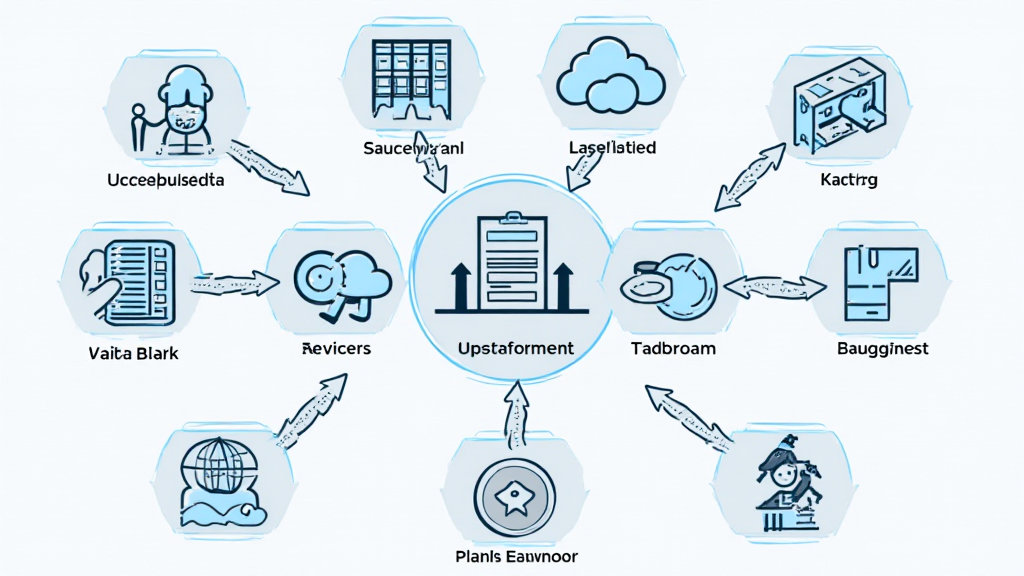

Exploring Web3 Infrastructure Projects
With the landscape of decentralized technologies evolving rapidly, it’s essential to focus on the various Web3 infrastructure projects that are paving the way for a more decentralized internet. As of 2024, more than $4.1B has been lost in DeFi hacks, highlighting the pressing need for robust security standards in blockchain technologies. This article delves deep into the significance of these projects, their technical frameworks, and the security standards that will shape blockchain in 2025.
Understanding Web3 Infrastructure
Web3 is fundamentally about decentralization and peer-to-peer interactions. In simple terms, it extends the principles of earlier web technologies into a decentralized framework that prioritizes user ownership and data privacy. As we transition into 2025, the importance of secure and reliable infrastructure becomes clearer.
According to a report by Chainalysis in 2024, the adoption of decentralized applications (dApps) surged by over 200% globally, with particular growth in Southeast Asia, including Vietnam. The rise in Vietnamese users has pushed the adoption rate up to nearly 45% in the region.
Key Elements of Web3 Infrastructure
When discussing Web3 infrastructure projects, it’s essential to recognize key components that support these technologies:
- Blockchain Networks: The backbone of decentralization. Examples include Ethereum, Binance Smart Chain, and Solana, each with unique consensus mechanisms.
- Decentralized Storage: Platforms like IPFS and Arweave ensure that data is stored securely and accessibly without single points of failure.
- Identity Solutions: Services like ENS (Ethereum Name Service) enable user-friendly addresses and identity verification.
- Oracle Services: Solutions such as Chainlink allow trusted external data to be used on the blockchain.
- Interoperability Protocols: Projects like Polkadot and Cosmos focus on enabling cross-chain interactions.
As these elements come together, they form a holistic ecosystem that supports dApps and enhances user experience.
Building Security into Web3
Security is a crucial aspect of Web3 infrastructure. As mentioned earlier, the losses due to hacks in the decentralized finance space are alarming. Web3 projects must implement multiple layers of security:
- Smart Contract Audits: Conducting thorough audits prevents vulnerabilities in smart contracts. Resources like OpenZeppelin and Quantstamp provide auditing services.
- Cryptographic Standards: Projects should adopt the latest cryptographic algorithms to ensure data integrity and confidentiality.
- Decentralized Governance: Many projects enable stakeholders to participate in governance, increasing transparency and security.
- Regular Updates: Keeping protocols updated with the latest security patches is vital.
By focusing on these security practices, Web3 infrastructure projects can build a resilient ecosystem.
Web3 and the Vietnamese Market
As a rapidly growing market for cryptocurrency and blockchain technologies, Vietnam presents unique opportunities. Reports state that the Vietnamese blockchain community has expanded by over 150% in 2024, making it one of the fastest-growing regions for Web3 adoption.
Here’s how the Vietnamese market is responding:
- Increased Users: Over 5 million users actively engage with crypto in Vietnam.
- Investment in Infrastructure: Local projects are being funded by significant investments from both domestic and international investors.
- Awareness Campaigns: Initiatives are underway to educate users on blockchain security practices like tiêu chuẩn an ninh blockchain (blockchain security standards).
These factors combined indicate Vietnam’s readiness to embrace the next wave of the internet.
The Future of Web3 Infrastructure Projects
As we look toward 2025 and beyond, certain trends are expected to shape the development of Web3 infrastructure projects:
- Layer-2 Solutions: To solve scalability issues, projects such as Arbitrum and Polygon offer solutions that enhance transaction speed and reduce gas fees.
- Decentralized Finance (DeFi): Continued growth of DeFi platforms that provide users with greater financial autonomy without intermediaries.
- Privacy Protocols: Projects focusing on user privacy will gain traction, addressing concerns over data leaks and monitoring.
- Integration with Traditional Finance: Bridging the gap between traditional and decentralized finance will be critical for mainstream adoption.
- Community-driven Development: Projects that prioritize community input and governance will foster a more inclusive environment.
Let’s break down what these trends mean for both developers and users. For developers, understanding the evolving needs of users will shape how infrastructure is built. For users, these advancements result in more secure, flexible, and efficient systems.
Conclusion
In summary, the journey of Web3 infrastructure projects is just beginning. With the continued rise of decentralized technologies, we can expect to see significant advancements leading to a more secure and user-centric internet. With Vietnam emerging as a powerhouse in this space, local innovations can set standards for adoption and development.
Whether you are a developer, investor, or end-user, understanding these infrastructure projects will be crucial in navigating the future of the blockchain ecosystem.
Important Note: This article does not constitute financial advice. Always consult with local regulatory authorities before making investment decisions.
For more insights on Web3 technologies and infrastructure, visit techcryptodigest.