Web3 Interoperability Standards: A Key to Future Blockchain Success

Web3 Interoperability Standards: A Key to Future Blockchain Success
With the startling statistic that $4.1 billion was lost to DeFi hacks in 2024, the importance of robust Web3 interoperability standards can’t be overstated. These standards are key to ensuring the security, reliability, and usability of decentralized applications across multiple chains. In this article, we will explore what interoperability means in the Web3 space, current standards being adopted, and the future outlook of these technologies.
Understanding Web3 Interoperability
Web3 is often touted as the next evolution of the internet, focusing on decentralization and user ownership. But for this vision to become reality, different blockchain networks must work together seamlessly.
Just like a bank opens its vault to authorized personnel while securing it from threats, blockchain interoperability must ensure that different chains can communicate without compromising their individual security protocols.
What Are Interoperability Standards?
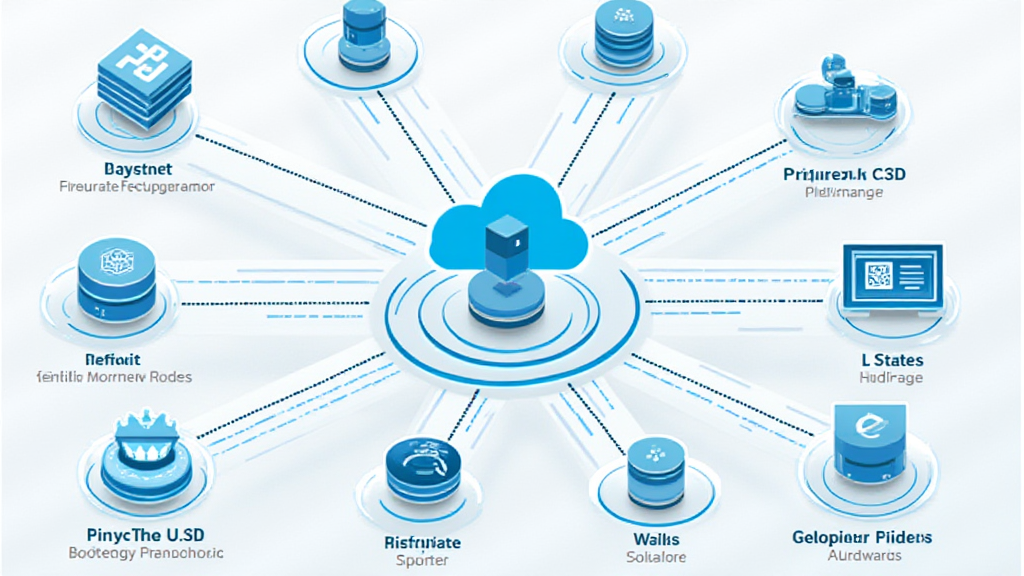
Interoperability standards define how data and tokens are exchanged across different blockchains. This can include protocols for smart contracts, token standards, and cross-chain messaging.
- Token Standards: Such as ERC-20 and BEP-20, these allow tokens to function across various platforms.
- Inter-Chain Communication: Protocols like IBC (Inter-Blockchain Communication) enable communication between different chains.
- Cross-platform Execution: Standards that define how smart contracts are executed across chains.
The Current State of Web3 Interoperability Standards
As of 2025, several interoperability standards are gaining traction in the blockchain ecosystem. Noteworthy examples include:
- Polkadot: This network facilitates cross-chain transfers of any type of data or asset, making it a key player in the interoperability discussion.
- Cosmos: Using the IBC protocol, Cosmos allows multiple blockchains to interlink, thereby enhancing usability and access.
- Layer 2 Solutions: Such as Polygon, which improves scalability and transaction speed across Ethereum and other blockchain networks.
Emerging Use Cases and Applications
As these standards evolve, new practical uses are emerging. Here are some examples of applications that are leveraging Web3 interoperability standards:
- Decentralized Finance (DeFi): Users can easily move assets from one blockchain to another, allowing for more complex financial instruments.
- NFT Interoperability: Ensures that non-fungible tokens created on one blockchain can be utilized across different ecosystems.
- Data Sharing Protocols: Standards enabling the safe sharing of data across multiple decentralized applications.
Challenges Facing Interoperability Standards
Despite the advancements, several challenges remain:
- Security Risks: Each blockchain has its unique security measures, which can create vulnerabilities when interacting with others.
- Standardization Issues: A lack of universally accepted standards can lead to inconsistencies and integration problems.
- Scalability: As more chains emerge, maintaining high transaction speeds across multiple platforms becomes increasingly difficult.
- Market Fragmentation: The proliferation of different blockchains can create silos, making communication and interoperability complicated.
The Future of Web3 Interoperability
Looking ahead, the continued evolution of Web3 interoperability standards suggests a more connected blockchain world.
For example, a recent report by Chainalysis in 2025 illustrated that decentralized exchanges operating on multiple chains witnessed a user growth rate of 80% annually, primarily driven by improved interoperability.
Prospects for Growth in Vietnam
In the Vietnamese market, the user growth rate for blockchain technologies is seeing a remarkable uptick. By 2025, it is predicted that 60% of the population will have adopted Web3 principles due to the increased accessibility provided by interoperability standards.
These statistics indicate strong potential for projects focused on creating user-friendly platforms that facilitate easy access to various blockchain environments.
Conclusion
In conclusion, Web3 interoperability standards are becoming increasingly important as we journey towards a more connected digital future. By facilitating seamless communication between blockchains, these standards not only drive adoption but also foster innovation. However, it’s crucial to address existing challenges quickly to maximize the potential benefits.
As we look towards 2025, an optimized framework for cross-chain interactions could pave the way for breakthroughs in areas such as DeFi and NFT utilities. The key to unlocking this potential lies in collaboration and the development of universally accepted standards.
Remember, not financial advice. Always consult local regulators if you’re considering investing in blockchain technologies.
Connect with us at techcryptodigest to dive deeper into the world of blockchain trends and updates.