Global Stablecoin Regulations: Navigating the Future of Digital Currencies

Introduction: The Rise of Stablecoins
As the cryptocurrency market has burgeoned, stablecoins have emerged as a critical component, facilitating smoother transactions and greater price stability. A significant chunk of transactions in the decentralized finance (DeFi) space—over $4.1 billion lost to hacks in 2024—underscores the necessity for enhanced security measures and regulatory frameworks. With numerous stablecoins pegged to fiat currencies, the spotlight is now on how stablecoin regulations develop globally.
Understanding Stablecoins and Their Market Significance
Stablecoins are digital assets designed to maintain a stable value by being pegged to a currency, commodity, or other assets. They play a pivotal role in reducing the volatility commonly associated with cryptocurrencies, acting as a bridge between fiat currencies and the crypto ecosystem. For example, Tether (USDT) and USD Coin (USDC) have become cornerstone assets in crypto trading, significantly impacting liquidity.
1. What Makes Stablecoins Unique?
- Reliability: Unlike traditional cryptocurrencies, stablecoins offer a reliable trading pair, mitigating the risk of sudden price swings.
- Liquidity: They allow users to quickly transfer assets between exchanges, maintaining trading activity.
- Decentralization: A major portion is built on decentralized finance protocols, enhancing accessibility.
2. The Global Regulatory Landscape
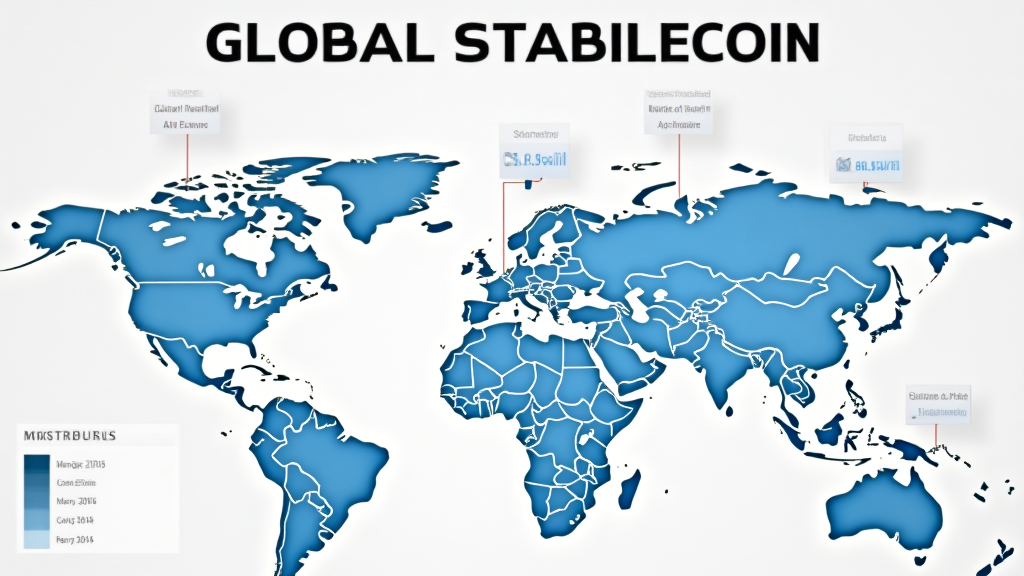
The regulatory landscape of stablecoins is complex and varies significantly from country to country. For instance, the European Union has introduced market guidelines applicable to cryptocurrency service providers, primarily targeting stablecoins. Meanwhile, the United States is still debating the regulatory framework for these digital currencies.
Country-Specific Regulations
- United States: In 2023, the Stablecoin Transparency Act aimed to ensure that stablecoin issuers maintain reserves equal to the circulated amount.
- European Union: Framework under the Markets in Crypto-Assets Regulation (MiCA) is set to standardize regulations across the member states.
- Vietnam: The Vietnamese government is exploring regulatory frameworks for cryptocurrencies, with 10% of the population reportedly using cryptocurrencies as of 2023.
Assessing Risks and Challenges
While stablecoins present numerous advantages, they also come with inherent risks, which necessitate robust regulatory measures. The potential for market manipulation, lack of transparency, and risks associated with issuing entities are significant concerns.
1. Market Manipulation Concerns
Stablecoins can be prone to unfair practices that could manipulate their pegging mechanisms, leading to instability within the broader cryptocurrency market.
2. Transparency and Trust Issues
Users demand clarity regarding the reserves backing stablecoins. Ownership and audit trails remain major factors affecting user trust.
Future Trends in Stablecoin Regulations
As regulators worldwide continue to assess the implications of stablecoins, several trends are likely to emerge:
1. Increased Regulation and Compliance
- Regular Auditing: Expect mandatory audits for stablecoin issuers to enhance transparency.
- Clear Guidelines: Governments may introduce explicit definitions and classifications for stablecoins in legal frameworks.
2. Global Harmonization of Policies
With the rise of digital assets crossing borders, an international consensus on stablecoin regulations could simplify compliance and encourage wider adoption.
Conclusion: Navigating the Future of Stablecoins
Global stablecoin regulations are essential for the cryptocurrency ecosystem’s sustainability and user security. As governments and institutions deliberate on regulatory standards, understanding the nuances of stablecoins and adhering to emerging regulations will empower users to navigate this evolving landscape effectively. Given the upward trajectory of cryptocurrency use in regions like Vietnam, where the user base has grown by over 10% annually, adopted regulations will play a pivotal role in shaping the future. Stay informed to ensure a secure and compliant experience in the ever-changing world of crypto.
Author: Dr. Alex Chen
Dr. Alex Chen is a renowned blockchain expert with over 15 publications in the field and has led audits for several high-profile digital asset projects. His insights on stablecoins contribute significantly to the discourse on cryptocurrency regulations.