Tokenization Technology in Cryptocurrency

Introduction
In recent years, tokenization technology has emerged as a groundbreaking innovation in the cryptocurrency sector. According to a report by Market Research Future, the tokenization market is expected to reach $4 billion by 2025, growing at a compound annual growth rate (CAGR) of 20%. This growth indicates the rising demand for asset digitization and provides us with insight into the value proposition of tokenization.
So, what exactly is tokenization? In simple terms, it is the process of converting rights to an asset into a digital token that lives on a blockchain. Here’s the catch: tokenization isn’t just about cryptocurrencies anymore; it encompasses a wide range of industries. By addressing the most pressing issues in asset management, tokenization is set to change the way we think about ownership and trade.
What is Tokenization Technology?
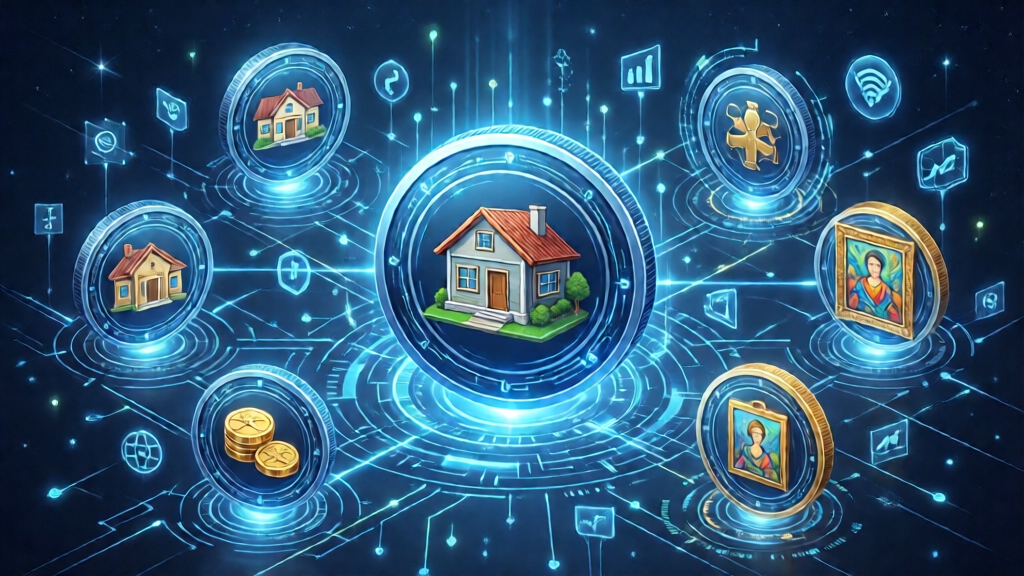
Tokenization technology allows for the representation of physical or digital assets as tokens on a blockchain. These tokens can be traded, transferred, and stored just like cryptocurrencies. But let’s break it down further:
- Asset Representation: Each token represents a specific asset, whether it’s real estate, art, or stocks.
- Fractional Ownership: Tokenization enables fractional ownership, meaning you don’t need to buy the entire asset.
- Enhanced Liquidity: Tokens can be easily bought and sold on various exchanges, enhancing liquidity.
- Security: Blockchain technology provides a secure ownership record for these assets.
Real-World Applications of Tokenization
Tokenization technology is being integrated across various industries. Here’s how it’s impacting different sectors:
1. Real Estate
Tokenization in real estate allows developers to offer shares of their properties in the form of tokens, making it easier for smaller investors to enter the market. For instance, a luxury apartment complex can be tokenized into 1,000 tokens, allowing multiple investors to hold a stake without the need for a huge capital investment.
2. Art and Collectibles
Tokenizing art enables artists to sell fractional ownership of their masterpieces. This democratizes access to art investment and allows art lovers to own a piece of their favorite artwork.
3. Financial Assets
Tokenization can transform traditional assets like stocks and bonds. For example, companies can issue token-based securities, allowing for faster transactions and reduced costs.
Benefits of Tokenization Technology
The advantages of tokenization are manifold. Here are the critical benefits:
- Accessibility: Lower investment thresholds open up investment opportunities to a broader audience.
- Transparency: Every transaction is recorded on the blockchain, ensuring that all activities are transparent and traceable.
- Cost Efficiency: By eliminating intermediaries, tokenization reduces transaction fees and speeds up processes.
- Innovation in Market Structures: New market models can emerge with tokens being tradable on multiple platforms.
Challenges of Implementing Tokenization
Despite its numerous advantages, tokenization faces challenges:
- Regulatory Concerns: Navigating the complex regulatory landscape can be daunting for startups.
- Technical Hurdles: The technology infrastructure must be robust to support mass adoption.
- Market Education: Investors need to be educated on tokenization and its benefits.
The Future of Tokenization Technology
The future looks bright for tokenization technology. According to a report by Deloitte, 83% of organizations believe that tokenized assets will be important to their growth in the coming years. As more companies adopt this technology, we’re likely to witness an increase in innovative applications that further enhance liquidity and accessibility in various markets.
Conclusion
Tokenization technology is set to revolutionize the way we manage, invest in, and trade assets. From real estate to art, the applications are vast, and so are the benefits. As this technology matures, it’s essential for stakeholders to remain informed and compliant with regulations to harness its full potential. Remember, at the core of tokenization is the power of blockchain technology—transforming ownership and redefining markets.
For more insights into the world of cryptocurrencies and blockchain, visit techcryptodigest.