Blockchain Scalability Solutions: A Pathway to Future Transactions

Introduction
As of 2024, the cryptocurrency landscape is evolving at a rapid pace, with a staggering $4.1 billion lost due to DeFi hacks over the past year. One of the pressing challenges that blockchain technology faces today is scalability. As user adoption increases, the demand for faster, more efficient transaction processing becomes critical. Blockchain scalability solutions are paramount to ensuring that networks can handle this increased traffic without compromising security or decentralization.
In this article, we will explore the various scalability solutions available to address these challenges, focusing particularly on how they impact users in markets like Vietnam, where the cryptocurrency user growth rate has soared by over 300% in the past two years.
Understanding Blockchain Scalability
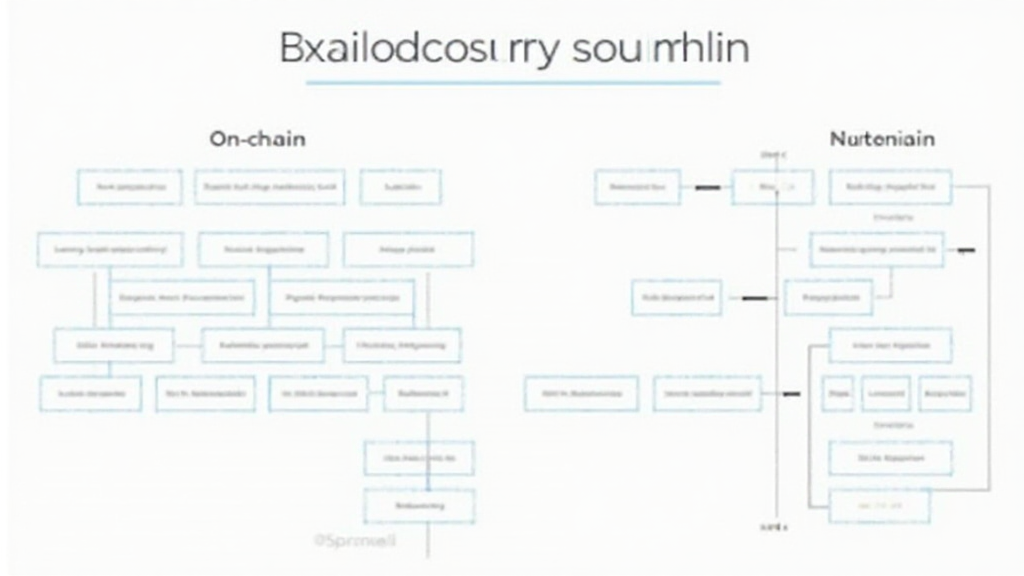
Blockchain scalability refers to the capacity of a blockchain network to process an increasing number of transactions per second (TPS). With hundreds of cryptocurrencies in circulation, the channels for transaction processing often become clogged. Let’s break it down:
- On-chain scaling: Enhancements made directly on the blockchain protocol.
- Off-chain scaling: Solutions that handle transactions outside of the blockchain, reducing load on the main chain.
Both methods aim to improve performance while maintaining the integrity and security of transactions.
On-Chain Scalability Solutions
On-chain scalability solutions involve upgrades to the blockchain itself, increasing its efficiency. Here are some popular approaches:
1. Segregated Witness (SegWit)
SegWit is a protocol upgrade for Bitcoin that allows more transactions to fit in a single block by separating signature data from transaction data. This increases the effective block size.
2. Sharding
Sharding involves splitting a blockchain into smaller, more manageable pieces (or shards) that can process transactions in parallel, reducing congestion on the network.
Sharding: A Real-World Analogy
Think of sharding like a crowded restaurant. If every waiter tried to serve all the customers, chaos would ensue. However, if waiters are in charge of specific sections, service increases significantly.
Off-Chain Scalability Solutions
Off-chain solutions allow transactions to occur outside the main blockchain, thereby reducing congestion. Some notable methods include:
1. Payment Channels
Payment channels, such as the Lightning Network, enable users to create private channels for transactions, only settling the final result on the blockchain.
2. Layer 2 Solutions
These solutions sit on top of the blockchain and include technologies like Plasma, which allow for faster and cheaper transactions by processing them off the main chain.
The Role of Consensus Mechanisms
Consensus mechanisms are integral to determining the validity of transactions across a network. Traditional systems like Proof of Work (PoW) face challenges with scalability as they require significant computational power. Alternatives such as Proof of Stake (PoS) are gaining traction as they offer greater efficiency.
Transitioning to PoS
Switching to PoS can resemble transitioning from a gas-guzzling vehicle to a more energy-efficient electric car; you’ll still reach your destination, just faster and with less environmental impact.
Impacts on the Vietnamese Market
Vietnam is witnessing a tremendous growth in cryptocurrency adoption. According to recent statistics, over 25% of Vietnamese citizens are now engaging with digital currencies. Effective scalability solutions are crucial in catering to this burgeoning market by ensuring:
- Quick transaction processing times
- Lower fees, making digital currencies accessible to more users
- Enhanced security measures to foster trust
Looking Ahead: Future Innovations in Scalability
As we look towards 2025, blockchain scalability innovations are set to redefine how transactions are conducted. The advent of new technologies, such as:
1. ZK-Rollups
ZK-Rollups bundle hundreds of transactions into a single transaction for greater efficiency while maintaining security and privacy.
2. Interoperability Solutions
Projects that enable different blockchains to work together will further enhance liquidity and user experience.
Conclusion
The development of blockchain scalability solutions is vital for the sustainability and future of digital assets. As seen in markets like Vietnam, the adoption of cryptocurrencies is on an upward trajectory. Hence, it is essential for platforms to Innovate continually to meet user demands effectively. Every improvement brings us one step closer to achieving mainstream adoption. This progression relies not just on technology, but also on building trust and security among users.
To stay updated with the latest on blockchain scalability solutions and to dive deeper into related topics such as 2025’s promising altcoins or how to audit smart contracts, visit hibt.com. The future of blockchain is evolving—are you ready to be a part of it?
TechCryptodigest, dedicated to delivering the best insights and solutions for the cryptocurrency community.
Author: Dr. Minh Nguyen, a leading blockchain expert with over 15 published papers on decentralized systems and a consultant for several national projects in Vietnam.